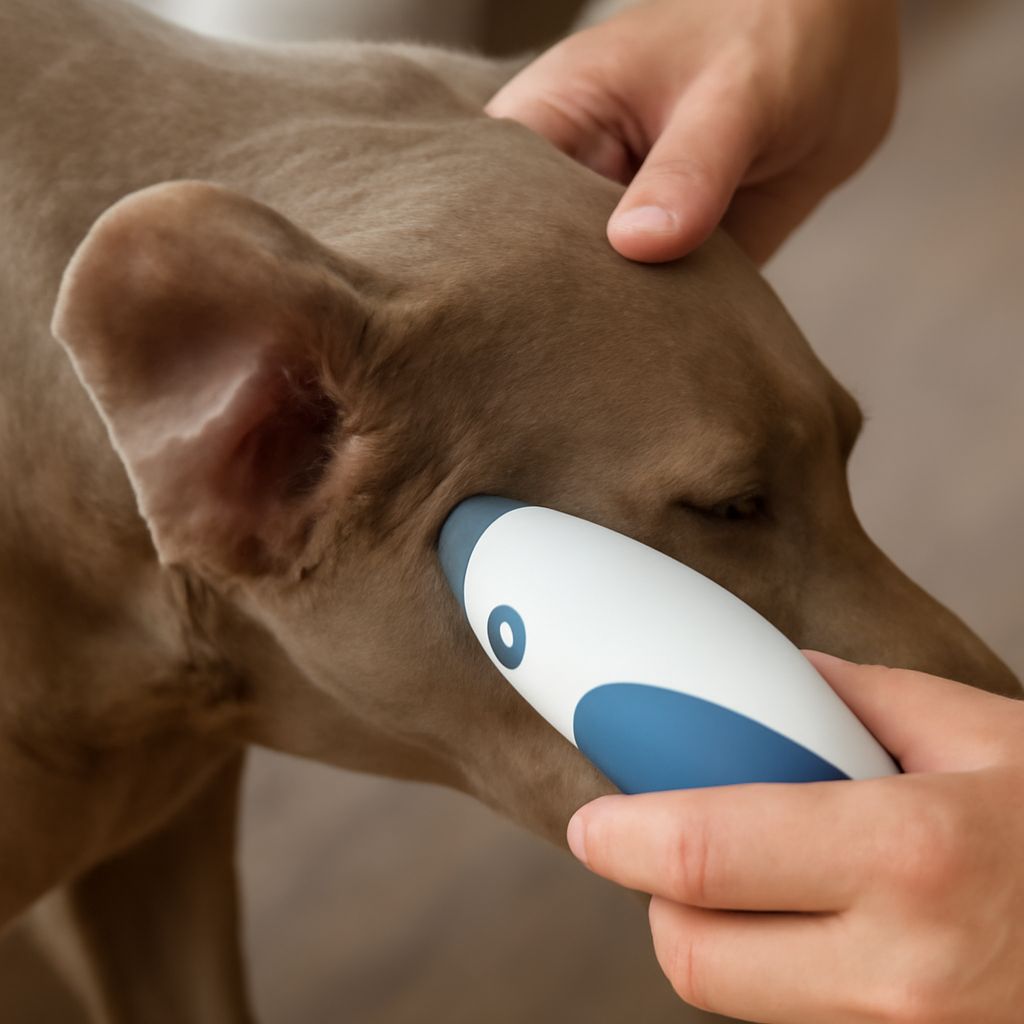
In today’s digital age, many dog owners are turning to apps to assist in managing their furry friends’ health. These dog apps promise insights and solutions, but can they really replace traditional veterinary advice? While technology offers useful tools, it’s crucial to understand their limitations and the importance of professional guidance in canine care.
Additionally, it’s common for dog owners to encounter issues such as their old dog not eating. This can be concerning, but it’s important to know that there are various reasons behind such behavior. Understanding these reasons and knowing when to consult a veterinarian is vital. Furthermore, as pet enthusiasts explore diets, trends like the blueberry dog diet have gained attention. This unique dietary option offers several health benefits worth considering.
What Can Dog Apps Teach Us About Canine Health?
Dog apps can provide a wealth of information regarding your pet’s health, from tracking exercise routines to monitoring dietary habits. These applications are designed to enhance a pet owner’s understanding of their dog’s needs, offering insights into behavior patterns and health statistics. Apps can be particularly helpful in tracking the progress of a new diet or monitoring exercise levels to ensure your pet remains healthy and active.
However, while these digital tools can give you a snapshot of your dog’s health, they should not replace professional advice. It is essential to consult a veterinarian for comprehensive health evaluations and to address any complex issues. Licensed professionals can offer personalized recommendations tailored to your dog’s specific needs.
Why Might an Old Dog Not Be Eating?
There are several reasons why an older dog might lose interest in food. Aging dogs often experience changes in appetite due to dental issues, reduced activity levels, or health conditions such as kidney disease. In some cases, a change in routine or environment could affect their eating habits.
If your aging pet refuses food consistently, it might be time to seek veterinary advice. A qualified veterinarian can conduct thorough examinations to rule out serious health issues. Additionally, they might suggest diet modifications that can encourage your dog to eat and maintain their nutritional intake.
The Benefits of Blueberry Dog Diets
The blueberry dog diet has gained popularity due to the fruit’s nutritional benefits. Blueberries are rich in antioxidants, vitamins, and fiber, which can support your dog’s immune system and improve their overall well-being. Incorporating blueberries into a dog’s diet can offer health advantages such as enhanced digestion and inflammation reduction.
While blueberries are a beneficial addition to a dog’s diet, it’s important to ensure they are served in moderation. Overfeeding can lead to digestive issues or upset stomachs. It’s advisable to discuss any significant dietary changes with a veterinarian to ensure they suit your pet’s health needs.
Is a Crystal Dog Collar Right for Your Pet?
Crystal dog collars have become a fashionable choice among pet owners, providing an elegant touch to a dog’s appearance. Beyond aesthetics, some believe these collars possess calming properties due to the crystals’ purported energy benefits.
While the allure of a stylish crystal collar is tempting, it’s essential to prioritize comfort and safety for your pet. Ensure that any collar you choose is properly fitted and doesn’t cause irritation. For dogs with sensitive skin or allergies, consulting with a veterinarian or a pet care specialist can help determine the best options.
Bottom line: Embracing technology and trends in dog care is exciting, but the welfare of your pet should always be the priority. Consulting licensed professionals ensures informed decisions in canine health and nutrition.