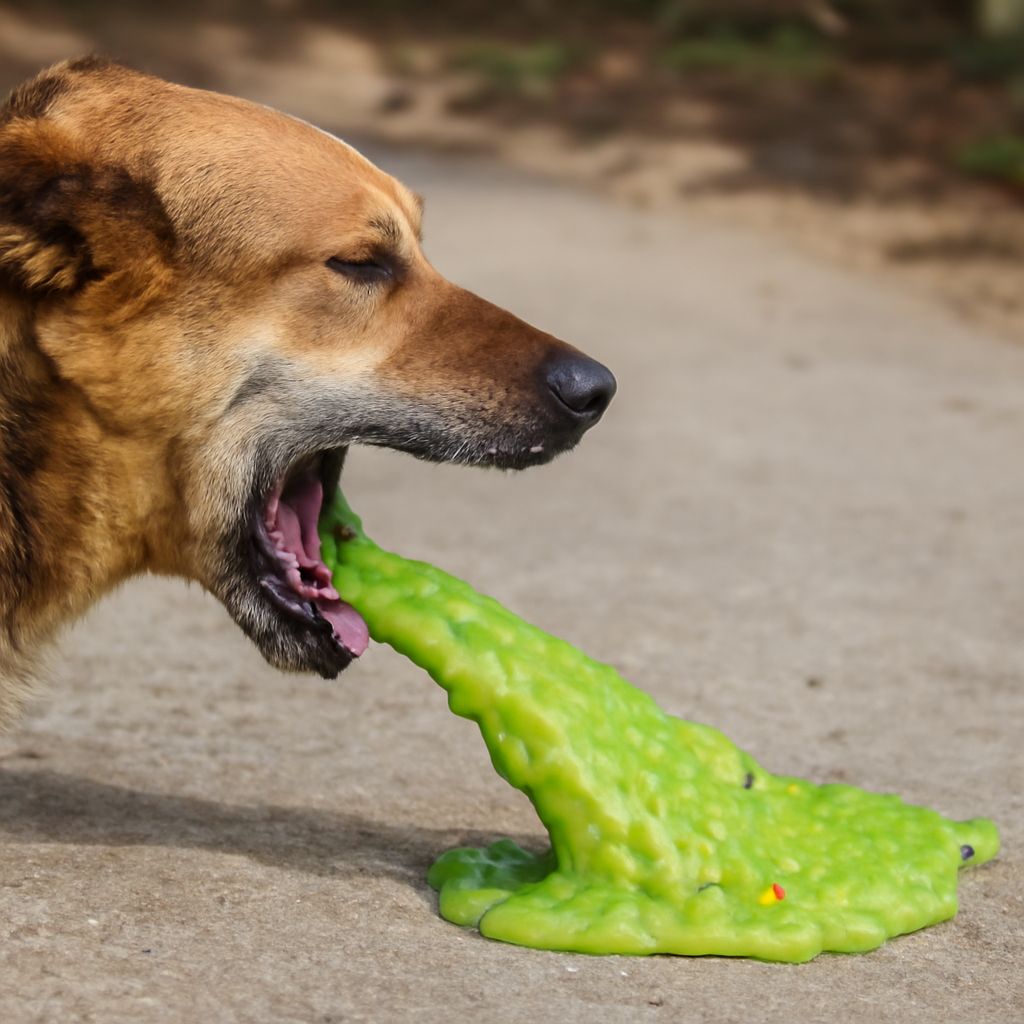
Diarrhea can be a concerning issue for many dog owners, often prompting urgent searches for remedies that work. While popular advice suggests dog diarrhea rice can be a miracle cure, it’s crucial to understand that rice is just one tool in a broader approach to manage a dog’s upset stomach. Misconceptions abound regarding foods to give a dog for diarrhea, and it’s important to highlight effective and practical solutions to ensure your furry friend’s quick recovery.
When asking, “What to do if my dog has diarrhea?” many owners overlook the importance of a comprehensive strategy encompassing diet, hydration, and veterinary consultation. Let’s delve into the facts and dispel the myths surrounding managing dog diarrhea.
Understanding Dog Diarrhea
Diarrhea in dogs can arise from numerous sources, including dietary indiscretion, stress, or infections. It’s not uncommon for dogs to experience temporary bouts due to consuming something unsuitable. Identifying why your dog is experiencing diarrhea is crucial before deciding on the appropriate intervention. Factors such as age, overall health, and recent changes in diet should be considered when assessing the situation.
What to Do If My Dog Has Diarrhea?
If your dog exhibits symptoms of diarrhea, immediate action is essential to prevent dehydration and further complications. First, ensure your canine receives ample water to replace lost fluids. Next, consider withholding food for 12-24 hours to allow the gastrointestinal tract to settle. This fasting period can be instrumental in managing mild cases.
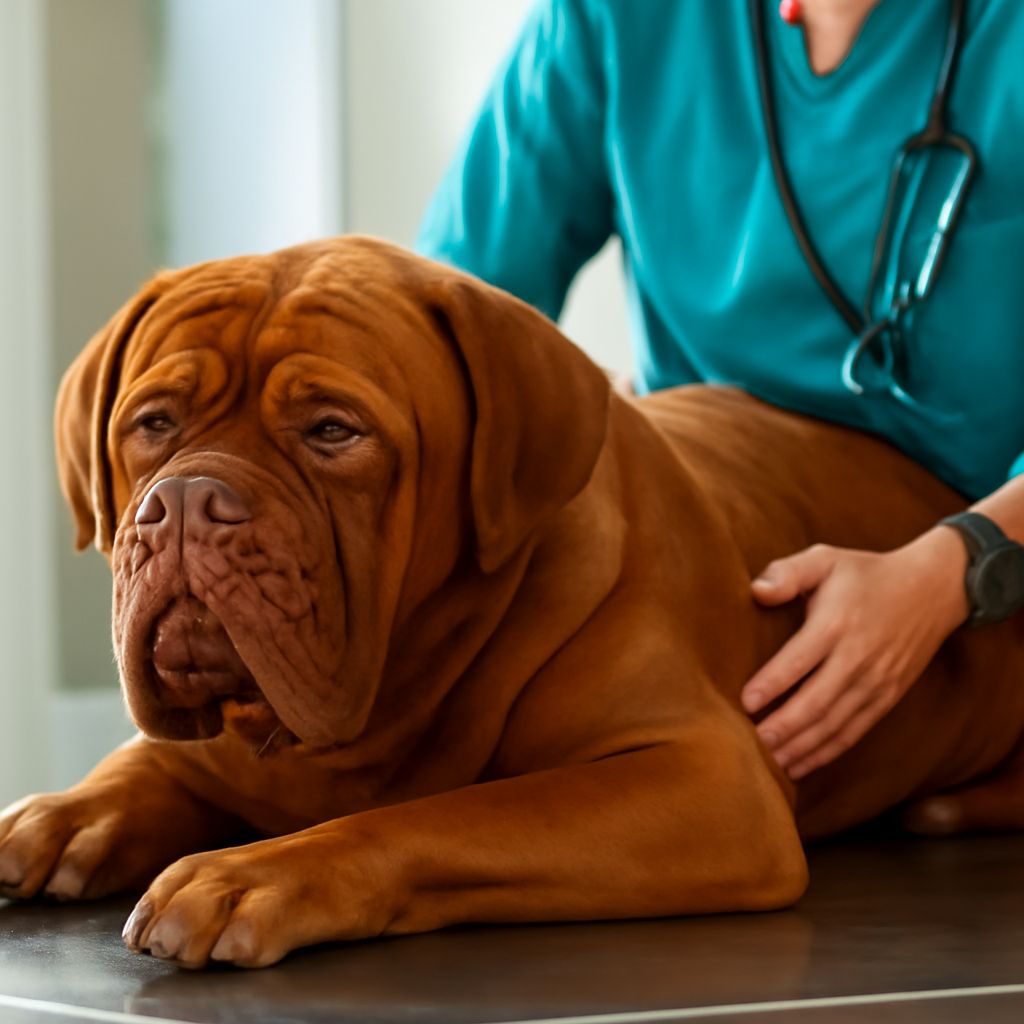
After fasting, gradually reintroduce bland foods, starting with small portions to monitor tolerance. While homemade dietary adjustments are often effective, consulting a veterinarian is advisable, especially if diarrhea persists or is severe. Professional guidance can pinpoint underlying issues and recommend appropriate treatments, including specialized diets or medications.
What Do You Give a Dog for Diarrhea?
Selecting the right food when a dog has diarrhea is vital to support recovery. Bland diets typically work best; these include boiled chicken or turkey combined with easily digestible carbohydrates like rice or potatoes. Such simple meals can help stabilize the digestive system without overburdening it.
Additionally, incorporating probiotics can support your dog’s gut health by replenishing beneficial bacteria. Commercial supplements designed for pets can be a practical addition. However, always verify with a vet whether these supplements are suitable for your dog’s specific needs.
The Role of Dog Diarrhea Rice
Rice, particularly white rice, has long been recommended for dogs with diarrhea due to its digestibility and soothing properties. By absorbing excess water in the intestine, rice can firm up stools and reduce frequency. Pairing rice with lean proteins like boiled chicken ensures a balanced meal that supports recovery.
While rice is a helpful component in managing diarrhea, it should not be the sole focus. A balanced approach incorporating hydration, bland meals, and veterinary oversight is paramount for effective management. Carefully monitor your dog’s response to dietary adjustments and seek professional advice if symptoms persist or worsen.
In summary, when addressing dog diarrhea, it’s important to employ a comprehensive strategy. Ensure your dog receives sufficient hydration and consider dietary modifications like bland meals, including dog diarrhea rice as a component. Veterinary consultation can offer tailored advice, ensuring your pet’s swift recovery and well-being.