Many new pet owners often believe that puppies can seamlessly transition to eating dog food as soon as they’re adopted. However, this notion is a myth. Understanding when puppies start eating dog food involves recognizing developmental stages and nutritional needs unique to young canines. This comprehensive guide explores the critical markers for transitioning and provides insights into special considerations, such as the dog raw food diet plan and unique pet needs, including the quirky dog kilt.
Additionally, becoming well-versed in the pet industry, such as through a pet stylist’s apprentice program, can further broaden one’s understanding of caring for pets. Let’s delve deeper into the appropriate timing and considerations for introducing dog food to puppies.
When Should Puppies Transition to Dog Food?
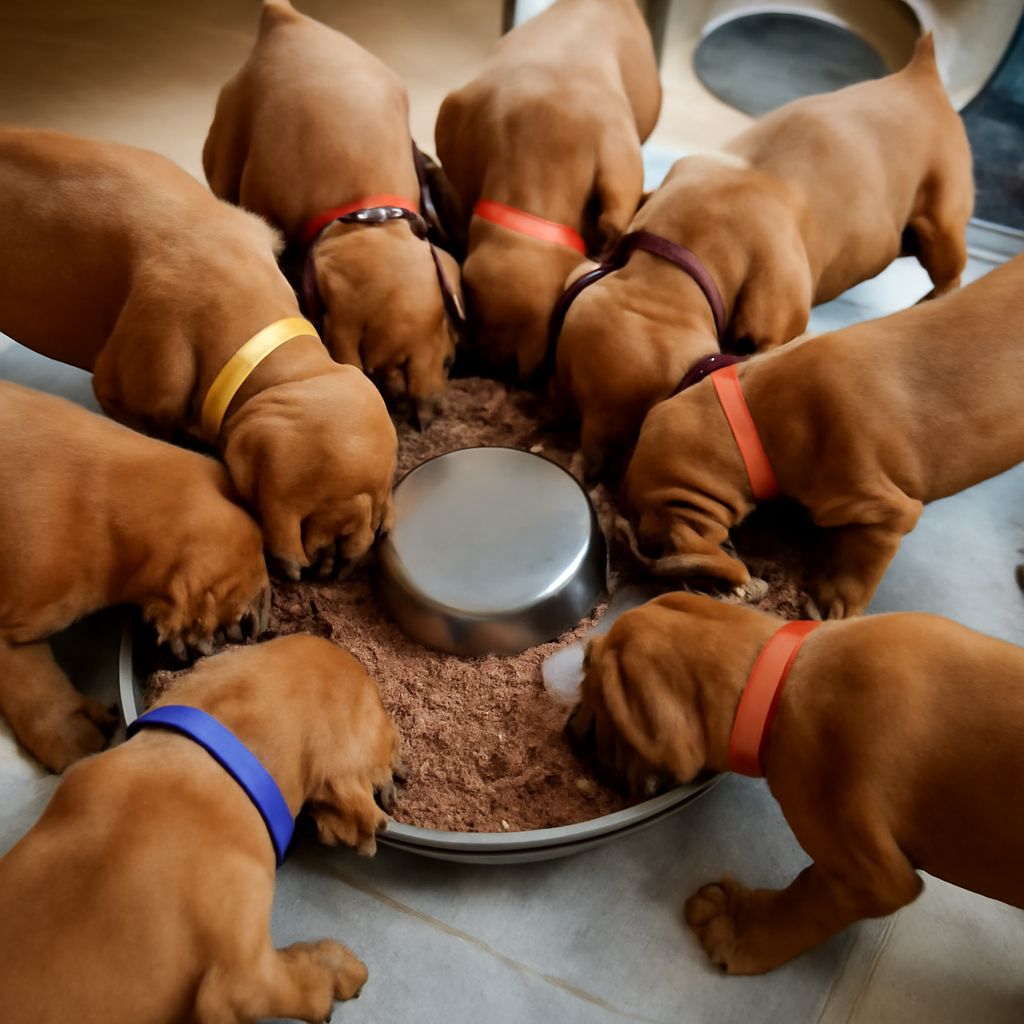
Puppies typically begin the transition to regular dog food between the ages of four to six weeks. At this stage, their mother’s milk no longer suffices for their growing nutritional demands, and they begin to explore solid foods. It’s essential to ensure that the dog food is specially formulated for puppies to meet their dietary requirements.
The process of weaning should be gradual, starting with a mixture of water or puppy milk replacer with solid food to create a gruel-like texture. As they grow, gradually reduce the liquid content until they can consume dry kibble comfortably. Monitor their progress and adjust as needed to ensure a smooth transition.
Understanding the Puppy Diet: Key Considerations
A puppy’s diet should be rich in proteins and fats, supporting their rapid growth and high energy levels. Look for foods that meet the nutritional standards established by the Association of American Feed Control Officials (AAFCO) for growth and reproduction.
It’s also crucial to recognize each puppy’s unique dietary needs. Some breeds may require specific nutrient adjustments, and consulting a veterinarian can provide tailored advice. For those considering alternative feeding options, a dog raw food diet plan might be explored, though it requires careful balance and often professional guidance to ensure all nutritional needs are met.
Exploring Unique Pet Needs: From Dog Kilts to Raw Food Diets
While dog kilts may seem like an amusing accessory, they reflect a broader trend towards personalized pet care. This trend extends beyond aesthetics into dietary choices, such as raw food diets. These diets can offer benefits like improved coat condition and increased energy levels but require a thorough understanding to prevent nutritional deficiencies.
For pet enthusiasts interested in more profound industry knowledge, enrolling in a pet stylist apprentice program offers insights into animal care and grooming, expanding one’s expertise beyond basic pet ownership.
Consideration of unique needs doesn’t stop at diet and attire. Regular vet check-ups, understanding breed-specific health issues, and proper training are all part of responsible pet ownership. Equip yourself with knowledge and consult professionals when needed to provide the best care for your pet.
Key Takeaways: Transition puppies to solid dog food gradually around four to six weeks, ensuring their diet is rich in essential nutrients. Consider alternative diets like raw food with professional guidance. Embrace unique pet needs, from dog kilts to specialized diets, and seek expertise through programs like a pet stylist apprentice.