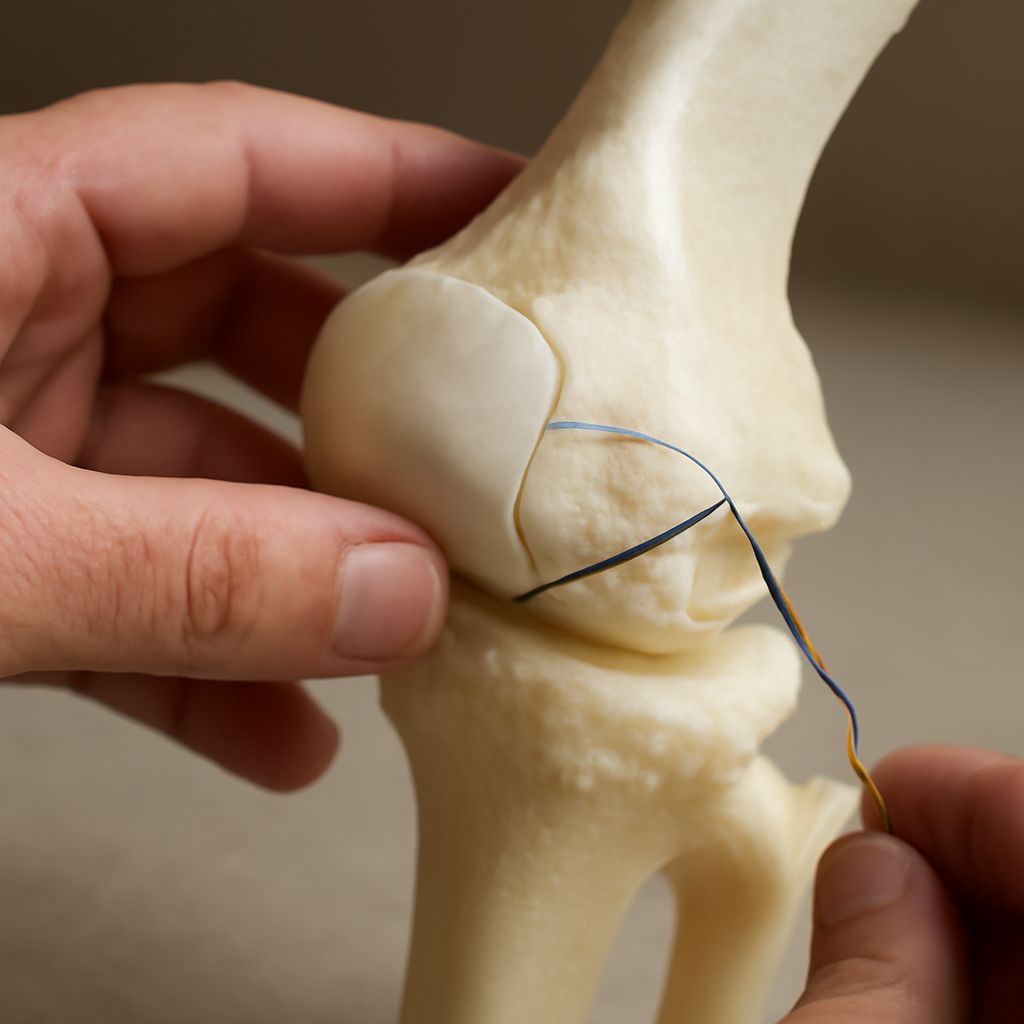
It is a common misconception that when a dog suffers from a torn ACL, or cruciate ligament injury, it always leads to irreversible damage or necessitates putting the dog down. Many people assume that a dog’s torn cruciate ligament signals the end of its active life, but understanding the symptoms and treatment options can help ensure a dog’s well-being. A torn ACL in dogs is indeed a serious injury, but there are multiple avenues for care and recovery that should be considered.
Another prevalent myth is that once a dog tears its ACL, the only humane option is euthanasia. This is far from the truth. While it is crucial to know when to consider euthanasia for a torn ACL, especially in extreme cases where the dog’s quality of life is compromised, there are numerous treatments and preventative measures that can significantly aid in recovery and management. Informed decisions can make a significant difference in enhancing a dog’s life post-injury.
Understanding Dog Torn ACL Symptoms
The signs of a torn ACL in dogs can vary, but common symptoms include limping, difficulty standing up, and an unwillingness to bear weight on the affected leg. Observing any of these symptoms should prompt a consultation with a veterinarian. The dog may also exhibit signs of pain such as whimpering, restlessness, or a change in temperament. Recognizing these signs early can lead to a more accurate diagnosis and effective treatment.
It is essential to differentiate between a dog’s CCL injuries and other issues like hip dysplasia or arthritis, as the treatment protocols differ significantly. A licensed veterinary surgeon is best equipped to perform diagnostic tests, such as X-rays or an MRI, to confirm a torn cruciate ligament.
When to Consider Euthanasia for Torn ACL
The decision to put a dog down due to a torn ACL should not be taken lightly. It becomes necessary to weigh the dog’s overall health, age, and ability to recover from surgery. Euthanasia may be considered if the dog’s quality of life is severely compromised and treatment options are either ineffective or inaccessible.
Pet owners must consult with a veterinarian to evaluate whether pain management and rehabilitation could improve the dog’s quality of life. In cases where a dog’s cruciate ligament cannot be repaired, and the animal is suffering, euthanasia might be the most compassionate choice.
Treatment Options for Dog CCL Injuries
There are several approaches to treating a dog’s CCL injuries, ranging from non-surgical management to surgical intervention. The choice largely depends on the severity of the injury and the dog’s overall health. Conservative management may include rest, weight management, and physical therapy to strengthen surrounding muscles.
Surgical options, such as TPLO (Tibial Plateau Leveling Osteotomy) or extracapsular repair, provide long-term benefits for many dogs. These procedures aim to stabilize the knee joint and prevent further injury. A detailed discussion with a veterinary surgeon will help determine the best course of action tailored to the dog’s specific needs.
Preventative Measures for Torn Cruciate Ligament
Preventing a torn cruciate ligament in dogs involves maintaining a healthy weight and regular exercise to keep muscles strong and joints healthy. Overweight dogs are at a higher risk of ligament injuries due to the additional stress on their joints. A balanced diet and regular check-ups with a veterinarian can greatly contribute to prevention.
Additionally, incorporating joint supplements and ensuring that the dog exercises on non-slippery surfaces can reduce the risk of injury. Pet owners should be mindful of their dog’s activity levels and consult with a veterinarian to establish a tailored exercise regimen that minimizes the chances of CCL injuries.