Let’s dispel a common misconception: not all dog leashes are created equal, nor do they serve the same purpose. While many pet owners assume that any leash will suffice for their canine companions, this could lead to discomfort or even injury. The same goes for dog harnesses, where options like martingale dog harnesses are favored for their safety benefits, ensuring a secure yet gentle hold. Understanding the different types of leashes and their specific uses can make all the difference in maintaining your dog’s well-being.
Similarly, the notion of spotting dog tracks in snow might seem straightforward, but there’s more to it than simply observing paw prints. Understanding how to accurately identify these tracks can provide insight into your dog’s behavior and even help in locating them if they wander too far. Armed with the right gear, you can also avoid issues like dog razor burn, ensuring your pet’s comfort during every outing.
What Are the Different Types of Dog Leashes?
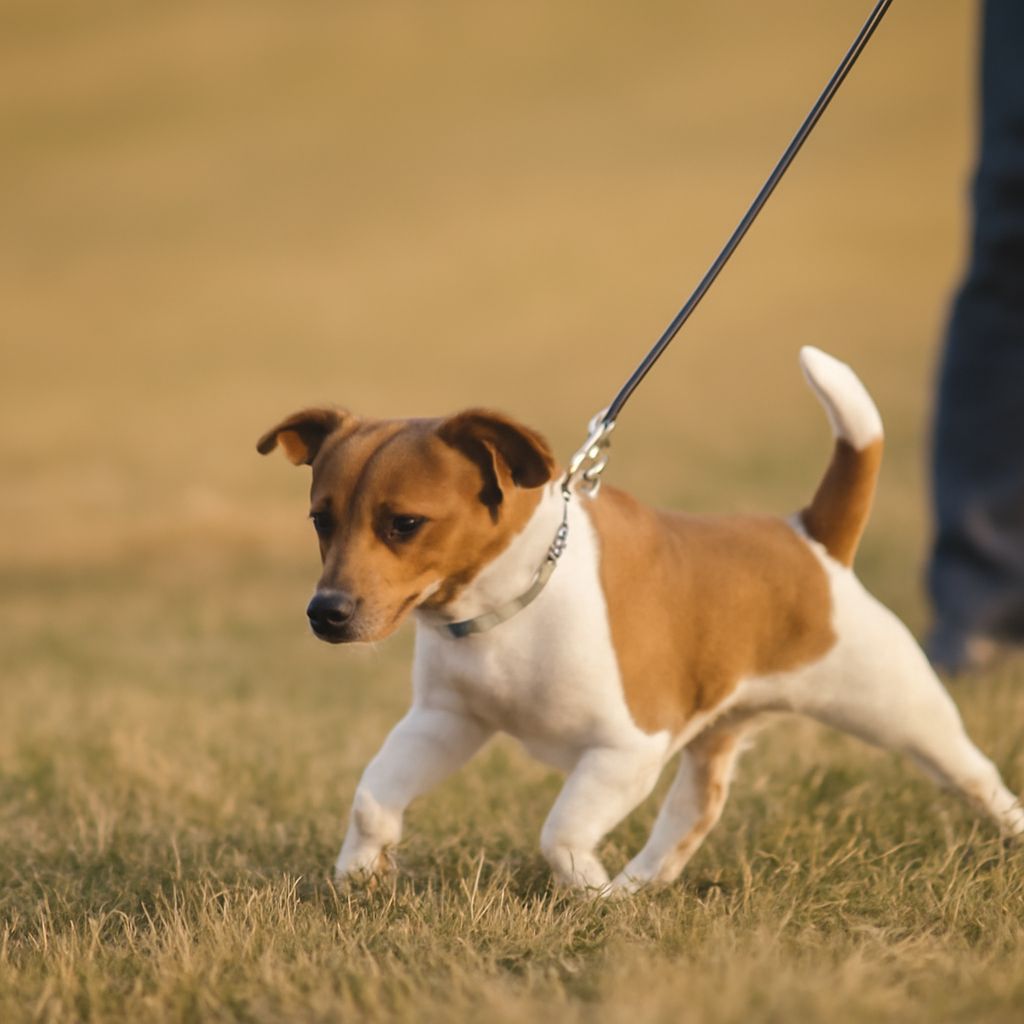
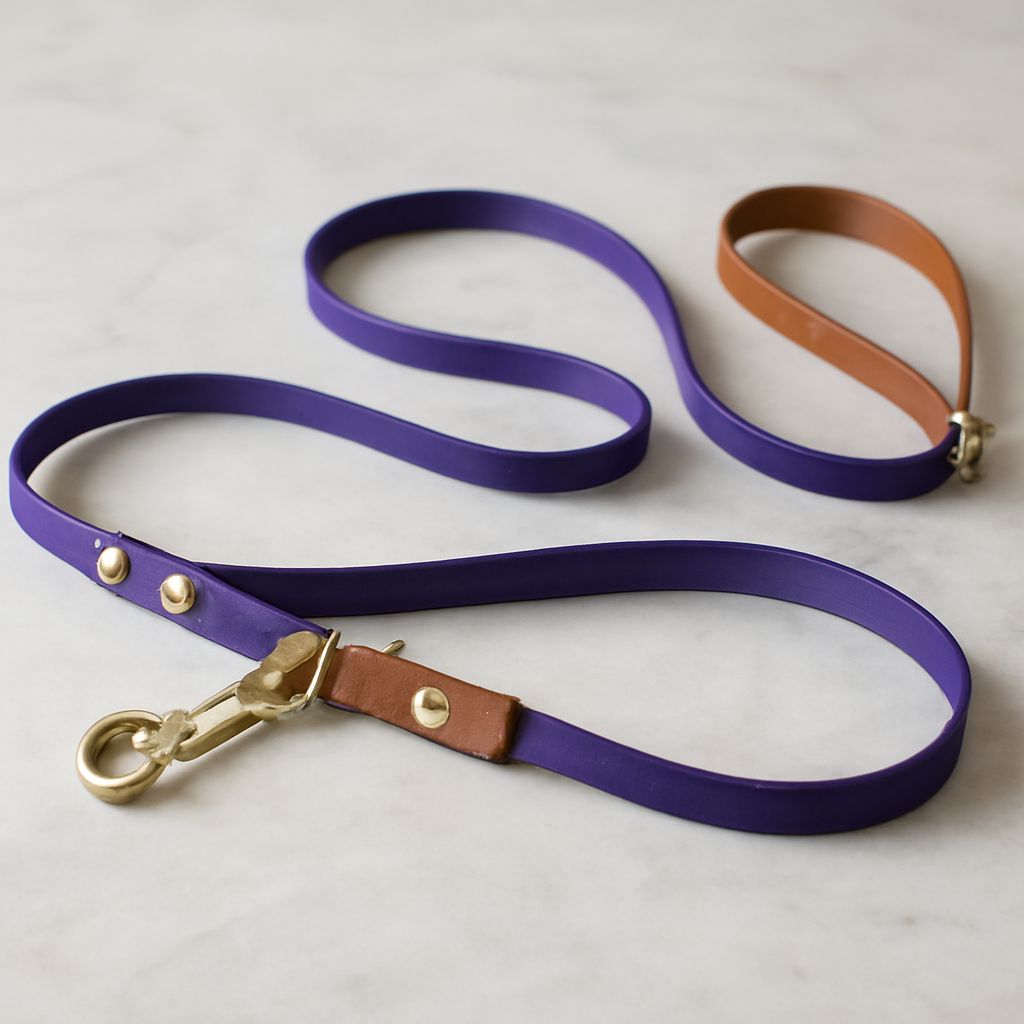
Dog leashes come in various forms, each designed for specific purposes and offering unique benefits. Standard leashes are the most common, providing straightforward control for everyday walks. Retractable leashes offer flexibility, allowing dogs to roam while keeping them tethered. These may not be suitable for larger or more energetic dogs, as they can lead to sudden jerks and tangles.
Moreover, training leashes provide more length and control, ideal for teaching commands and reinforcing obedience. Slip leads combine collar and leash in one, often used in veterinary environments for easy handling. Each type of leash has its merits, and choosing the right one depends on your dog’s size, behavior, and walking environment.
How Does a Martingale Dog Harness Work?
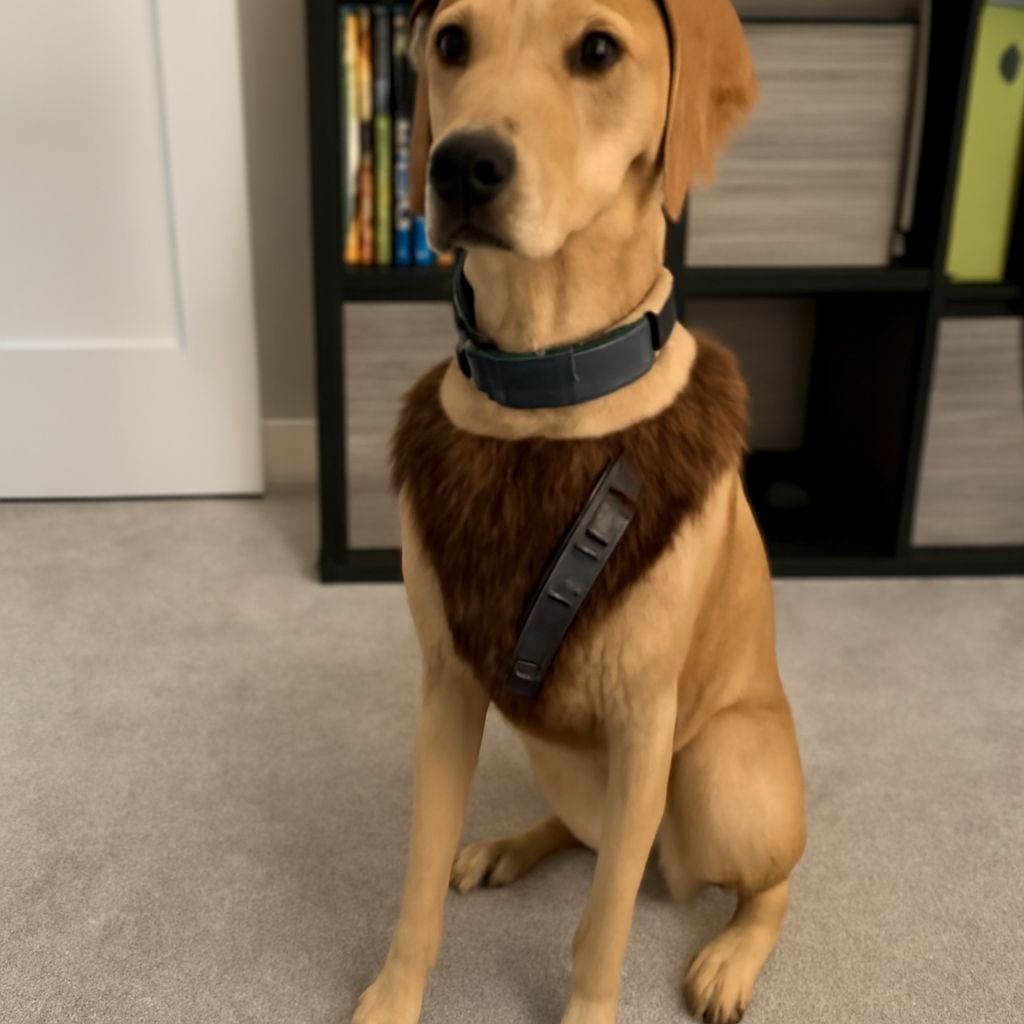
A martingale dog harness offers a unique approach to leash control, particularly beneficial for dogs prone to slipping out of traditional harnesses. Unlike regular harnesses, the martingale design tightens slightly when the dog pulls, preventing escape without choking or causing discomfort. This feature makes it a safe and effective option for dogs with narrow heads or those who pull when excited.
Martingale harnesses are adjustable and provide consistent pressure distribution, ensuring that your dog remains comfortable during walks. For dogs that need extra guidance, consulting with a licensed stylist or trainer can help tailor the harness to fit perfectly, enhancing safety and control.
When Should You Use a Dog Lead Line?
A dog lead line is an essential tool for specific training scenarios and environments. Used primarily for teaching recall and advanced obedience, these lines are long, allowing dogs to roam freely while still maintaining control. They are particularly useful in open spaces where standard leashes would restrict movement.
Lead lines also come in handy for behavioral training, enabling owners to correct actions from a distance. However, using them requires understanding your dog’s limitations and ensuring the environment is safe to avoid tangling or injury. For complex training, seeking advice from a licensed trainer is recommended.
How to Spot Dog Tracks in Snow
Spotting dog tracks in snow can be more challenging than it appears. Key aspects include the size and shape of the paw prints, the depth of the tracks, and the pattern of movement. Snow depth and consistency can affect the clarity of tracks, so observing multiple factors is crucial.
Tracking can also be assisted by noting other signs, such as disturbed snow or broken twigs. Employing tools like lead lines can aid in guiding your dog safely through snowy terrains, preventing them from wandering off the beaten path. In snowy areas, proper gear can prevent issues like razor burn, keeping your dog’s paws healthy and comfortable.
Safety Recap: When selecting gear like leashes or harnesses, prioritize comfort and functionality to avoid potential discomfort or injury. Use tools like martingale harnesses or lead lines thoughtfully, considering your dog’s specific needs and environment. For tailored advice, consult a professional trainer, especially for complex behavioral training or adjustments.