Small reptile pets are often marketed as low-maintenance alternatives to dogs or cats, but that framing sets new owners up for disappointment. Cool reptile pets require precise temperature gradients, humidity control, and species-specific diets that demand real commitment. The difference between a thriving gecko and a sick one often comes down to setup details that no quick-start guide covers fully.
Reptiles for pets span an enormous range in terms of size, temperament, and care complexity. The best reptile pets for handling are not the same as the easiest to house or the cheapest to feed. Any top 10 reptile pets list worth reading acknowledges that individual animals vary — a species known for docility still produces individuals that never fully tame down, and vice versa. Matching the right reptile to your experience level and lifestyle matters more than following a popularity ranking.
Top Small Reptile Pets for Beginners
Leopard geckos appear on almost every reptile starter list for good reason. They are small, tolerate handling well once acclimated, and do not require UV lighting the way many other lizards do. A 20-gallon tank handles an adult comfortably, and their diet of commercially bred insects is easy to maintain. They are active at dusk and dawn, which suits owners who are away during the day.
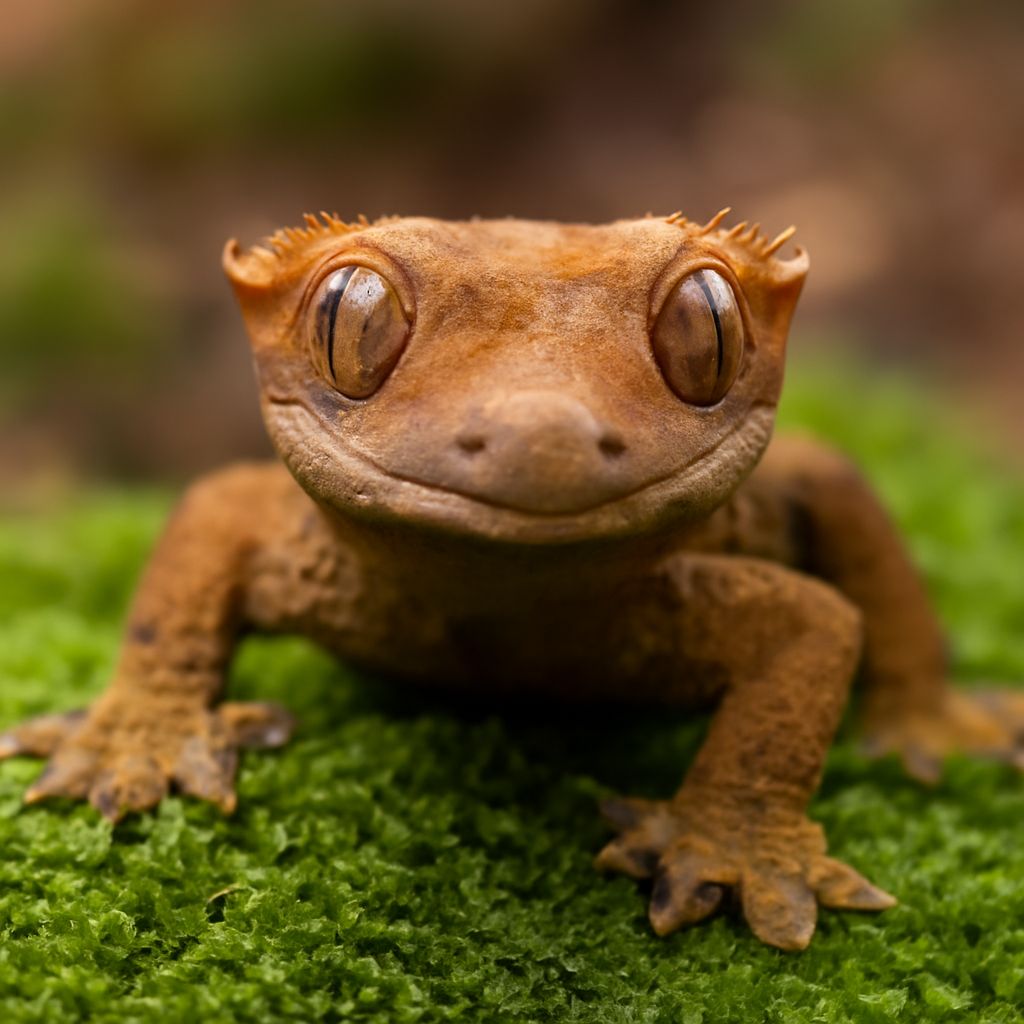
Crested geckos are another reliable choice among small reptile pets. They thrive at room temperature in many climates, which removes the need for elaborate heating setups. Crested geckos eat a commercially available meal replacement powder as their primary diet, simplifying feeding considerably. They are fragile compared to leopard geckos — tail loss from mishandling is permanent — but they tolerate careful, gentle contact well.
Blue-tongued skinks are larger than geckos but still count as manageable reptiles for pets in a home setting. They are among the best reptile pets for handling due to their calm temperament and sturdy build. A skink that has been handled from a young age typically accepts contact without stress.
Best Reptile Pets for Handling: What to Expect
The best reptile pets for handling share a few traits: predictable behavior, tolerance for human scent, and a body size that makes secure holding easy. Ball pythons rank consistently in any top 10 reptile pets list because they curl defensively rather than striking, making them safer for inexperienced handlers than many other snake species. A well-fed, regularly handled ball python rarely shows aggression.
Bearded dragons are the most widely recommended lizard for hands-on interaction. They are large enough to hold comfortably, recognize their owners over time, and show visible relaxation when handled by familiar people. Their care requirements are more involved than geckos — UV lighting, calcium supplementation, and a varied diet of insects and vegetables — but the payoff in personality is significant. A reptile vet familiar with bearded dragons is worth identifying before you bring one home.
Setting Up for Cool Reptile Pets: Key Considerations
Every cool reptile pet needs a thermal gradient — a warm side and a cool side within the same enclosure. This allows the animal to regulate its body temperature behaviorally, which is essential for digestion and immune function. A single heat source placed at one end of the tank accomplishes this. Digital thermometers at both ends confirm the gradient is correct.
Humidity matters for shedding. Most small reptile pets shed poorly in environments that are too dry, resulting in retained shed around toes and eyes that requires veterinary attention if left untreated. A hygrometer inside the enclosure gives accurate readings. Misting schedules vary by species, so follow the humidity range specific to your reptile rather than a generic guideline. When health questions arise — lethargy, refusal to eat beyond two weeks, abnormal shed — consult a licensed exotic animal vet rather than online forums alone.