Many dog owners assume their furry friend is naturally consuming enough water so long as a bowl is always available. However, when your dog won’t drink water, it can lead to serious health issues. It’s a common myth that dogs instinctively drink all the water they need, but in reality, multiple factors can affect their hydration. Understanding why your dog doesn’t drink enough water is crucial for maintaining their wellbeing.
This guide helps unravel why your dog may refuse water and how to encourage better drinking habits. From identifying dehydration signs to knowing when professional advice is necessary, we’ll explore the essentials of ensuring your dog stays hydrated.
Why Is My Dog Not Drinking Water?
Dogs may stop drinking water due to a variety of reasons. It’s essential to first rule out any immediate medical conditions that could be causing this behavior. Stress, illness, and changes in their environment or routine can also impact their desire to drink.
Common Reasons Dogs Won’t Drink Water
Several common issues may lead a dog to avoid water. A change in taste or odor of the water might deter them, especially if using a new source. Illnesses like kidney disease or urinary tract infections can also reduce a dog’s water intake. Additionally, dental problems might make it uncomfortable for them to drink.
Sometimes, environmental factors such as extreme temperatures or a lack of activity can influence hydration habits. Dogs that are less active may not feel the need to drink as much, while those in hot climates might require encouragement to consume enough fluids.
Signs Your Dog Isn’t Drinking Enough Water
Recognizing the signs of dehydration in dogs is vital. Symptoms include a dry nose, lethargy, loss of appetite, and sunken eyes. Checking your dog’s gums can also provide insight; they should be moist and pink. If they appear dry or tacky, it’s a strong indicator of dehydration.
Another method to assess hydration is the skin elasticity test. Gently pinch the skin at the back of your dog’s neck. If it doesn’t quickly return to its original position, consider it a warning sign that your dog doesn’t drink enough water.
How to Encourage Your Dog to Drink Water
To entice your dog to drink more, start by ensuring their water is fresh and clean. Use a clean bowl and provide water at room temperature, as extreme temperatures can be off-putting. Introducing a pet fountain can also stimulate interest by keeping the water moving, thus more appealing.
Incorporate wet food into their diet to increase fluid intake, or add water to their dry kibble. Sometimes the issue is simply boredom; engaging your dog with physical activity can naturally increase their thirst.
For dogs reluctant to drink, flavor enhancers or a little low-sodium chicken broth mixed with water can make a big difference. Always introduce any dietary changes gradually.
When to See a Vet if Your Dog Doesn’t Want Water
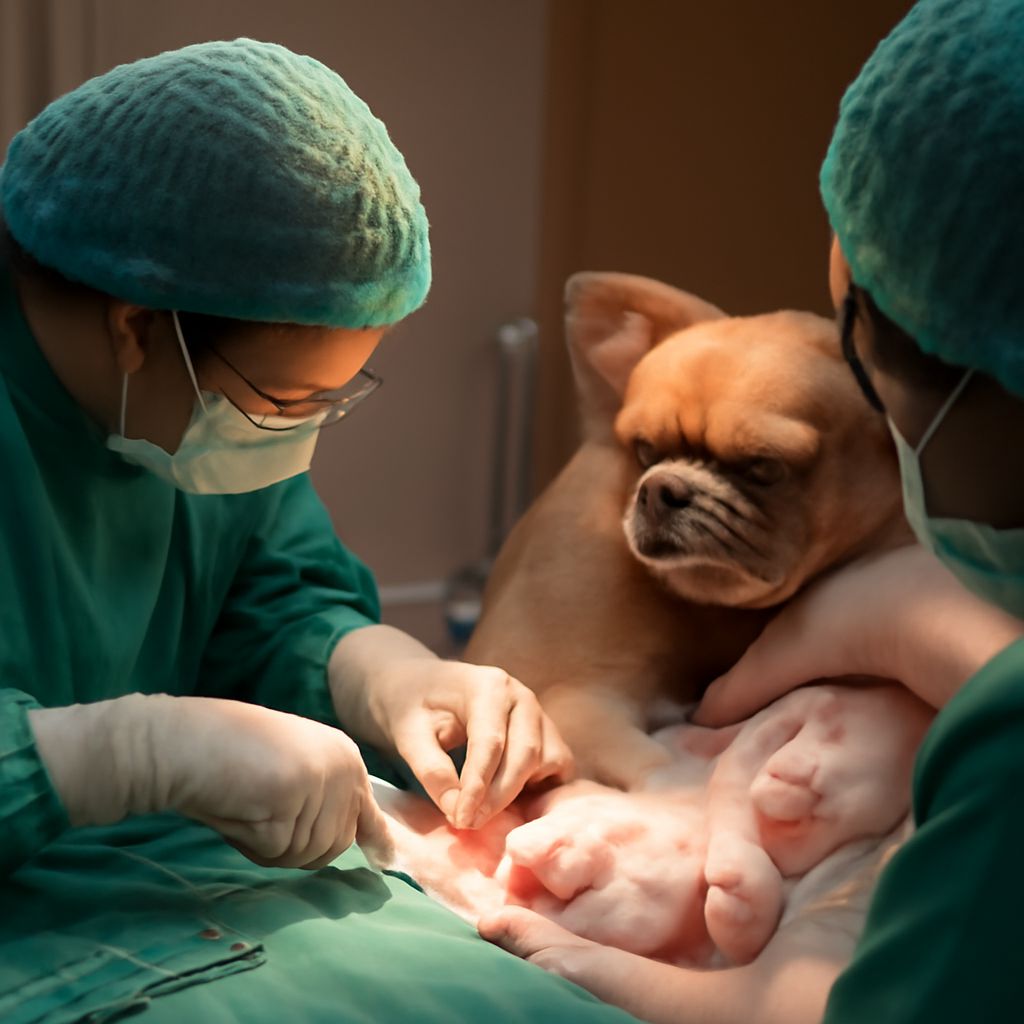
If efforts to encourage your dog to drink water fail, it might be time to consult a vet. Persistent refusal to drink can indicate underlying health issues that require professional assessment. This is especially critical if your dog shows signs of dehydration alongside reduced water intake.
Experienced veterinarians can determine if there are medical concerns or if specialized care is needed. Complex conditions like severe dehydration or illnesses may require treatments that only a licensed professional should administer.
Regular check-ups and monitoring help ensure your dog maintains a healthy lifestyle, minimizing risks associated with poor hydration habits.