It’s a common misconception that all dog harnesses work the same way, or that they might restrict your dog’s movement. In reality, a well-fitted harness can offer more control without causing discomfort. Understanding how to put on a dog harness correctly is crucial to ensure your dog’s safety and comfort. Whether you’re dealing with a blue harness or a spiked one, each has its unique characteristics that need attention.
Many pet owners believe that a collar is sufficient for controlling their furry friends. However, harnesses, especially spiked dog harnesses, distribute pressure more evenly across a dog’s body, which minimizes the risk of injury. This distribution is particularly beneficial for energetic dogs or those prone to pulling. By learning the proper way to secure these harnesses, you can provide a safer environment for your pet while making walks more enjoyable.
Why Choose a Dog Harness?
A dog harness offers numerous advantages over traditional collars. The primary benefit is the even distribution of pressure across the dog’s body. This feature makes harnesses ideal for dogs that pull or those with delicate necks. Additionally, harnesses provide better control, reducing the risk of injury during walks or playtime.
For dogs that are prone to pulling, a harness can make a significant difference. Unlike a collar that focuses pressure on the neck, a harness spreads it over a larger area, preventing choking or strain. Pet owners choose harnesses to ensure their dog’s comfort and safety during activities.
Types of Dog Harnesses
There are several types of dog harnesses available, each designed for specific needs. The most common styles include the vest harness, the step-in harness, and the front-clip harness. Vest harnesses are favored for their comfort and secure fit, while step-in harnesses offer simplicity in putting on. Front-clip harnesses are known for their ability to minimize pulling.
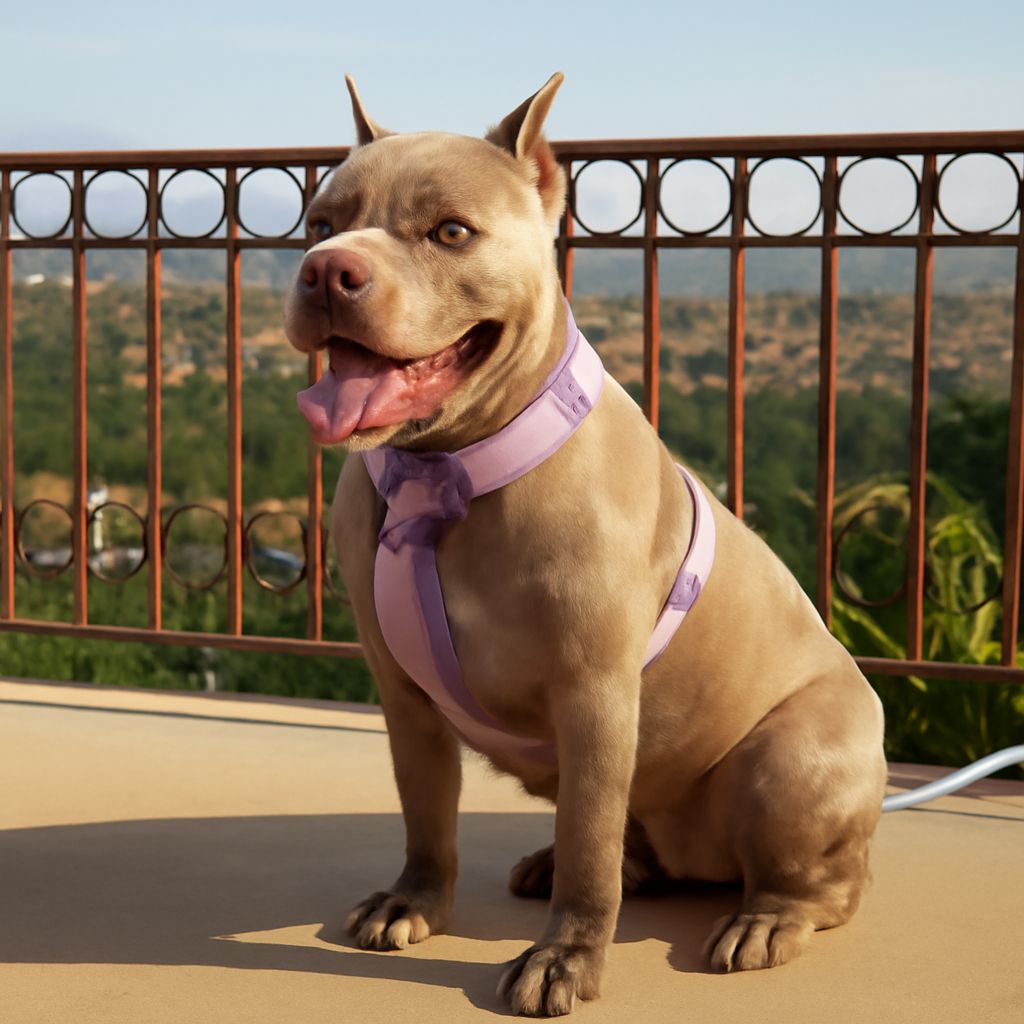
For those looking for style as well as function, spiked dog harnesses and blue harnesses are popular options. These harnesses combine aesthetic appeal with practicality, making them a favorite among fashion-forward pet owners.
How to Put on a Dog Harness: Step-by-Step
Putting on a dog harness may seem challenging at first, but following these steps can make the process straightforward:
- Ensure the harness is the right size for your dog.
- Identify the front and back of the harness.
- Slip the harness over your dog’s head or have them step into it, depending on the style.
- Adjust the straps to fit snugly but comfortably.
- Check the fit by ensuring you can slip two fingers between the harness and your dog’s body.
A well-fitted harness should not shift excessively but should allow free movement. Adjusting the straps ensures your dog remains safe and comfortable during use.
Common Mistakes to Avoid
One frequent error is choosing the wrong size harness, which can lead to discomfort or escape. Always measure your dog’s chest and neck to find the appropriate size. Another mistake is neglecting to check the fit regularly; harnesses can loosen over time and require adjustments.
Pet owners should also be cautious of improperly securing the harness. A loose harness can lead to accidents, while an overly tight one can cause discomfort. Regular checks and adjustments help maintain a secure fit.
How to Put on Dog Harness Styles: Blue and Spiked
When dealing with specific styles like blue harnesses or spiked dog harnesses, pay attention to the additional features they offer. Blue harnesses may have extra padding for comfort, while spiked harnesses often come with decorative elements that require careful adjustment.
Ensure the spikes are not causing discomfort by being too tight. Adjust the straps to distribute pressure evenly. The aesthetic elements should enhance the harness without compromising comfort or safety.
Tips for Ensuring a Comfortable Fit
To guarantee a comfortable fit, regularly monitor the harness’s position and adjust as needed. Assessing your dog’s movements will give you insight into whether the harness is too tight or too loose.
Consult a licensed stylist if you’re unsure about fitting complex harness designs or if your dog shows signs of distress. Professional guidance can help tailor the harness to your dog’s unique needs, ensuring both safety and style are achieved.