When you hear your dog howling at night, it’s natural to wonder what might be causing such vocal expressions. While some might think it’s just a quirky habit, a dog howling at night could be indicative of underlying issues, such as sleep apnea. Contrary to popular belief, not all nocturnal howling is harmless or merely a trait of certain breeds. It is essential to understand why your dog howls in sleep and the potential health implications it may reveal.
For dogs, sleep apnea can be as disruptive as it is for humans. It might surprise some owners to learn that dog breeds that sleep a lot aren’t necessarily immune to sleep disorders. In fact, understanding your pet’s sleep patterns can be vital in ensuring their well-being. This guide will help you uncover the mysteries behind your pet’s nocturnal activities and how to address them effectively.
What Is Dog Sleep Apnea and How Does It Affect My Pet?
Signs and Symptoms of Dog Sleep Apnea
Dog sleep apnea is characterized by interrupted breathing during sleep, which can lead to restless nights for your pet. Signs of sleep apnea in dogs include loud snoring, gasping for air, and frequent awakenings throughout the night. If your dog exhibits these symptoms consistently, it may be time to consider a veterinary consultation to explore further.
Causes of Sleep Apnea in Dogs
The causes of sleep apnea in dogs can vary from anatomical issues to lifestyle factors. Brachycephalic breeds, known for their short snouts, often have airway obstructions contributing to sleep apnea. Additionally, obesity is a significant factor, as excess weight can hinder normal breathing. Ensuring your dog maintains a healthy weight and receives regular vet check-ups can mitigate some risks associated with this disorder.
Why Does My Dog Howl at Night?
Understanding Dog Howls in Sleep
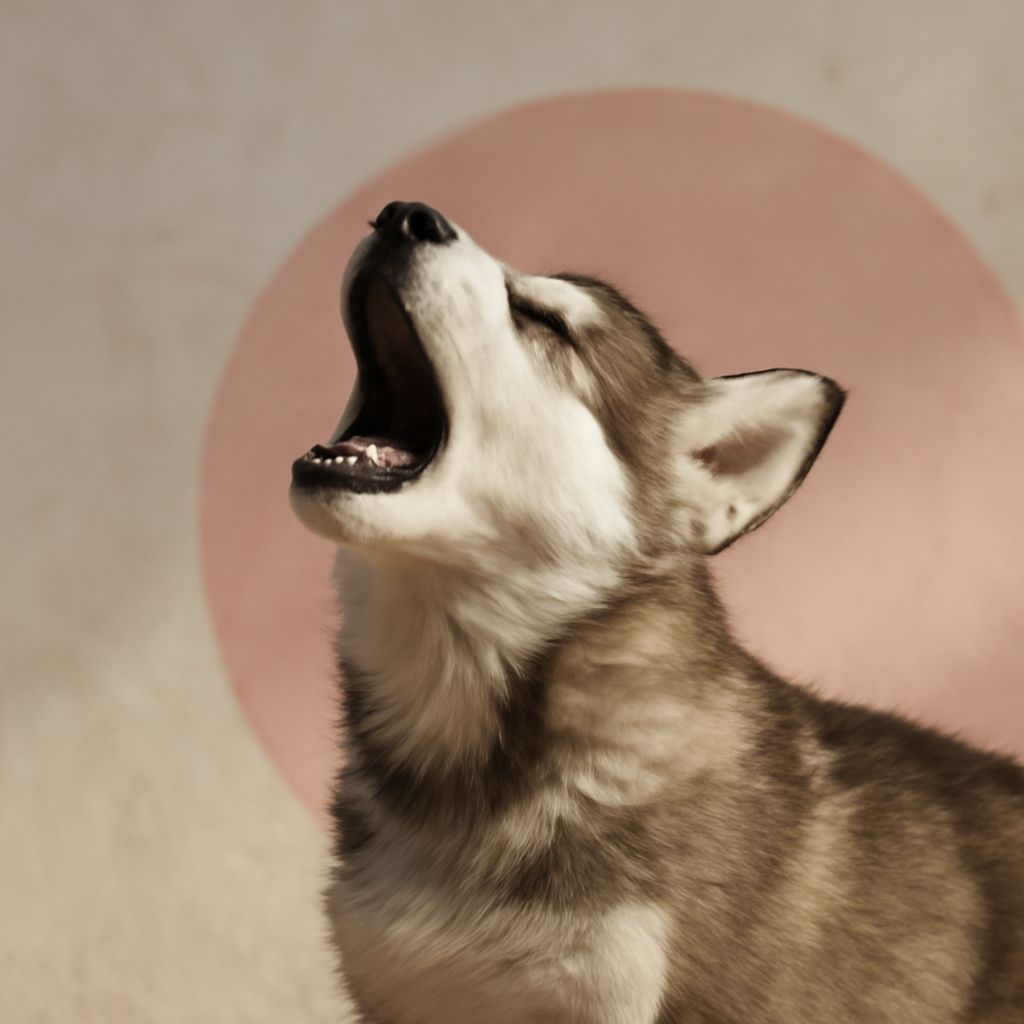
It is common for dogs to vocalize during sleep, often due to vivid dreams or disturbances like sleep apnea. When a dog howls in sleep, it may be responding to disrupted breathing or other discomforts. Observing the frequency and intensity of these howling episodes can provide clues about their significance, potentially pointing to an underlying sleep issue.
When to Be Concerned About Night Howling
Not all nighttime howling should raise concerns, but if your pet appears distressed or if the howling is accompanied by other troubling symptoms such as lethargy or changes in behavior, it might indicate a more serious condition like sleep apnea. In such cases, seeking advice from a veterinary professional is recommended to rule out any health problems.
Which Dog Breeds Sleep a Lot?
Traits of Breeds Prone to Sleep Apnea
While some dog breeds sleep a lot due to their relaxed nature, certain breeds are more susceptible to sleep apnea. Brachycephalic breeds like Bulldogs and Pugs are prone to this sleep disorder due to their unique anatomical structures. Owners of these breeds should be particularly vigilant about monitoring their pet’s nighttime behavior and ensuring regular health check-ups.
Managing Sleep in Hound Dogs
Hound dogs, known for their tendency to enjoy long naps, may also exhibit signs of sleep issues. Ensuring they have a comfortable sleeping environment and maintaining a consistent routine can help manage their sleep patterns effectively. For hounds displaying signs of sleep apnea, consulting with a licensed stylist or behaviorist may provide additional insights to improve their sleep quality.
Safety Recap: If your pet’s snoring or howling disrupts their rest, consider consulting a veterinarian. Proper diagnosis and management of sleep apnea or other underlying issues are crucial to your dog’s overall health.