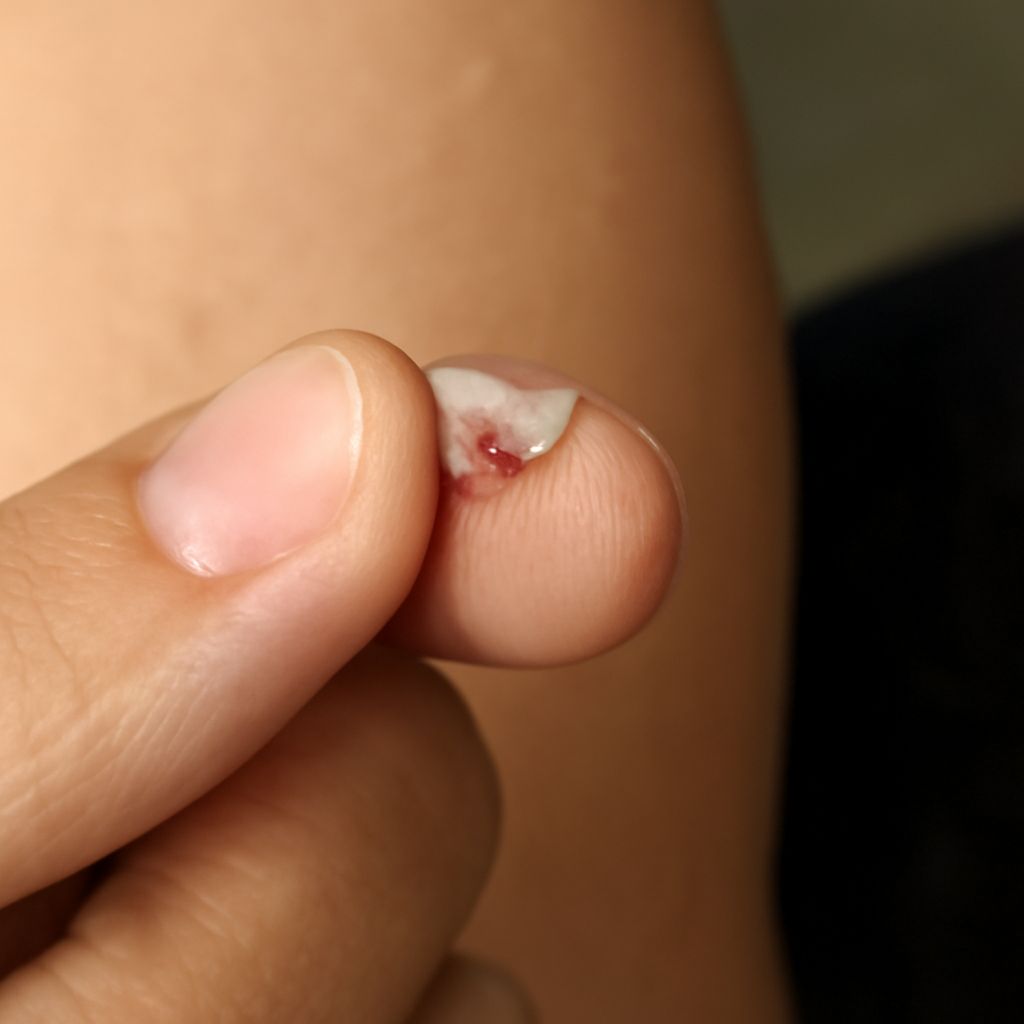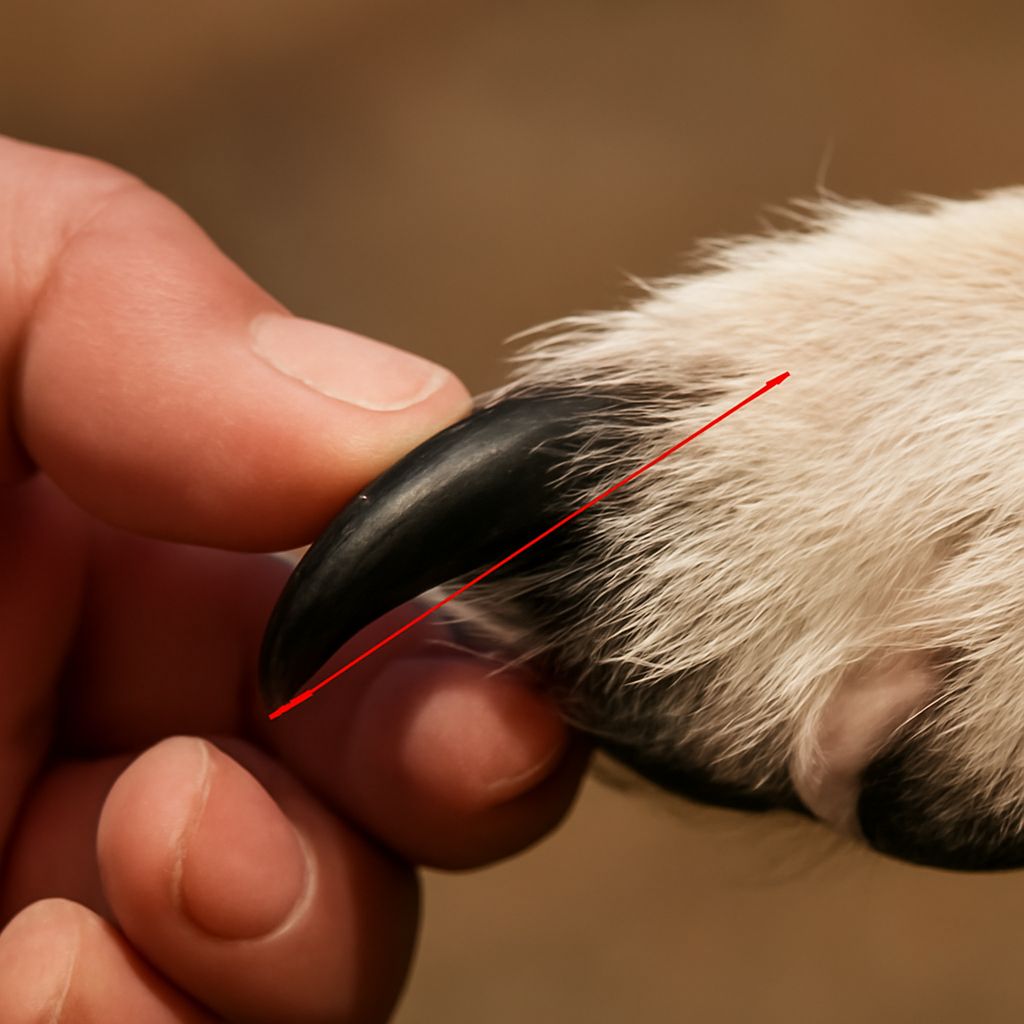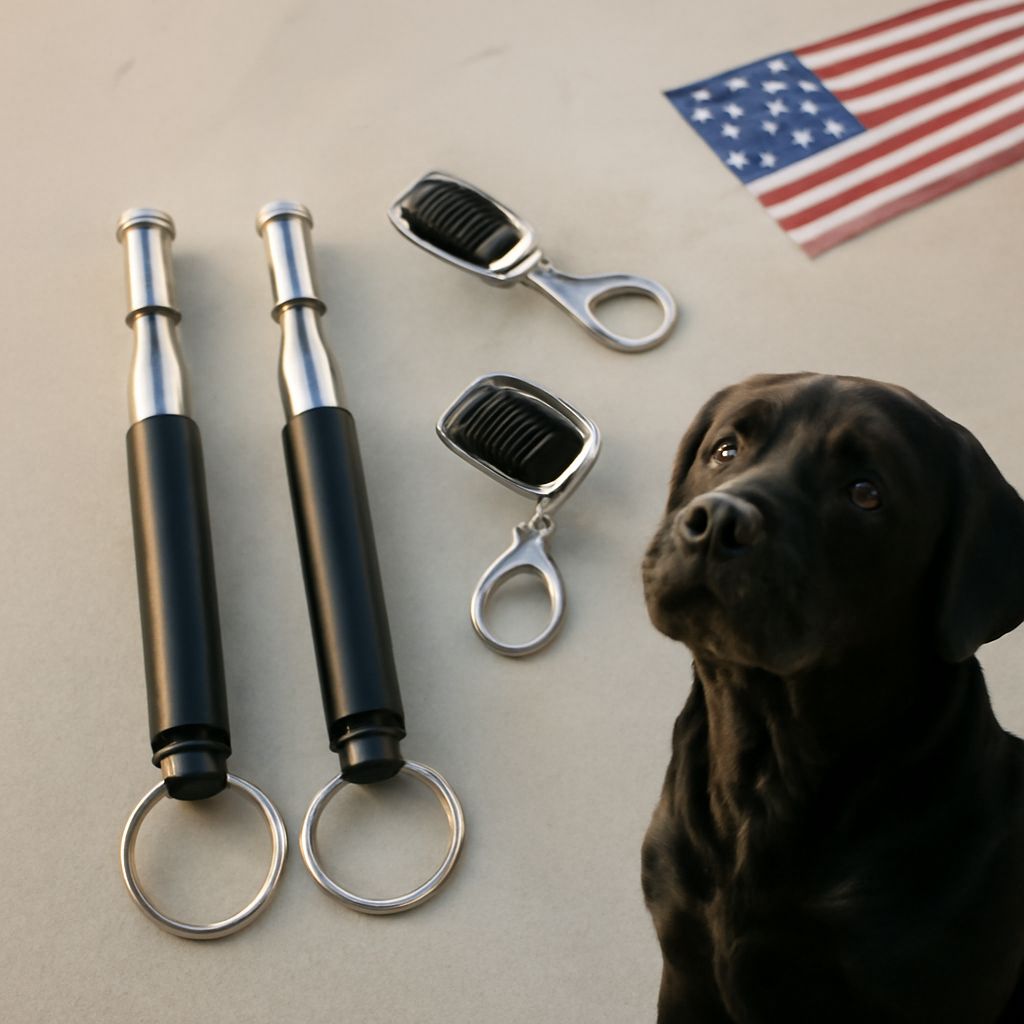
It’s a common misconception that a dog’s nail falling off always results in bleeding. In fact, there are situations where a dog’s nail may detach without any signs of blood. Understanding why this happens can help alleviate concern and guide appropriate care measures. One might wonder what role tools like high frequency dog whistles or dog nail sanders play in maintaining nail health. Additionally, using dog bookmarks can effectively track your dog’s nail care routine, ensuring you’re always on top of their health needs.
Ensuring your dog’s well-being involves a comprehensive approach, including understanding unexpected events like a nail falling off without blood. It’s crucial to identify the underlying causes and address them with proper solutions. In this article, we will explore how to care for a dog experiencing this issue, the potential benefits of dog nail sanders, the connection between high frequency dog whistles and nail care, and the utility of dog bookmarks in organizing nail health information.
Why Did My Dog’s Nail Fall Off Without Blood?
Causes of Nail Loss in Dogs
A dog’s nail may fall off painlessly due to various factors. Trauma or injury is a leading cause, often resulting from excessive play or an accident. Infections and fungal diseases can weaken the nail structure, leading to detachment. Regular inspection of paws and nails can help detect such issues early.
Potential Health Concerns
Underlying health problems, like autoimmune diseases, could contribute to nail shedding. If the nail loss occurs frequently, consulting a veterinarian is advisable to rule out systemic health issues. Early intervention can prevent further complications.
How to Care for a Dog with a Fallen Nail
Immediate Steps to Take
Upon noticing a missing nail, clean the area gently with a mild antiseptic. Keep your dog from licking or chewing the affected paw to minimize infection risk. If the nail bed appears swollen, applying a cold compress can reduce inflammation.
Long-term Care and Prevention
Regular trimming and maintenance are key to preventing nail-related issues. Consistent grooming keeps nails at an optimal length, reducing the risk of injuries. If you’re uncertain, a professional stylist or groomer can demonstrate proper techniques for safe trimming.
Can Dog Nail Sanders Help?
Benefits of Using a Dog Nail Sander
Dog nail sanders are an excellent tool for keeping nails smooth and well-maintained. They offer a gentle alternative to traditional clippers, reducing the likelihood of splitting or cracking nails. Regular use can contribute significantly to overall paw health.
Choosing the Right Sander for Your Dog
Selecting a dog nail sander involves considering your dog’s size and nail thickness. Opt for a model that offers adjustable speed settings and comes with safety features to ensure comfortable grooming sessions.
How Do High Frequency Dog Whistles Relate to Nail Care?
Training and Behavior Management
High frequency dog whistles are effective tools for training. Consistent command reinforcement can help manage your dog’s behavior during grooming, making nail care easier and less stressful.
Reducing Stress During Nail Care
Using a whistle can condition your dog to remain calm and composed during nail grooming. Associating the whistle with positive reinforcement encourages cooperation during the process.
Using Dog Bookmarks to Track Nail Health
Creating a Nail Care Schedule
Dog bookmarks serve as excellent reminders for scheduling regular nail care. By marking dates on a calendar or using digital reminders, you ensure consistent grooming practices that prevent issues from arising.
Monitoring Changes in Nail Health
Documenting changes in nail appearance or health using bookmarks can provide valuable insights. This tracking enables early detection of potential problems, facilitating timely veterinary consultations if needed.