It’s a common misconception that if a dog won’t drink water, they’re simply being picky. However, if your dog is not drinking water regularly, it might indicate underlying issues that require attention. If your pet refuses to drink, you may wonder, “Why won’t my dog drink water and risk dehydration?” Understanding the potential causes and solutions can help ensure your furry friend stays healthy and hydrated.
Whether your dog will not drink water due to environmental changes or medical conditions, it’s essential to address these factors promptly. By identifying why your dog is not drinking water, you can take necessary steps to encourage hydration and prevent complications.
What Could Cause My Dog Not to Drink Water?
Health Issues and Medical Conditions
One reason a dog may not drink water is due to health issues such as kidney disease or urinary tract infections. These medical conditions can cause discomfort, leading your dog to avoid water intake. Additionally, oral health problems like tooth decay or gum disease might make it painful for your pet to drink. If you notice your dog will not drink water and exhibits symptoms like lethargy or vomiting, consult a veterinarian immediately.
Environmental and Behavioral Factors Environmental changes, such as moving to a new home or altering your dog’s routine, can also affect their drinking habits. Dogs are creatures of habit, and any disruption might lead to decreased water consumption. Behavioral factors, such as stress or anxiety, can cause a dog to refuse water. If your dog is not drinking water as they used to, consider whether recent changes in their environment could be the culprit.
How Can I Encourage My Dog to Drink More Water?
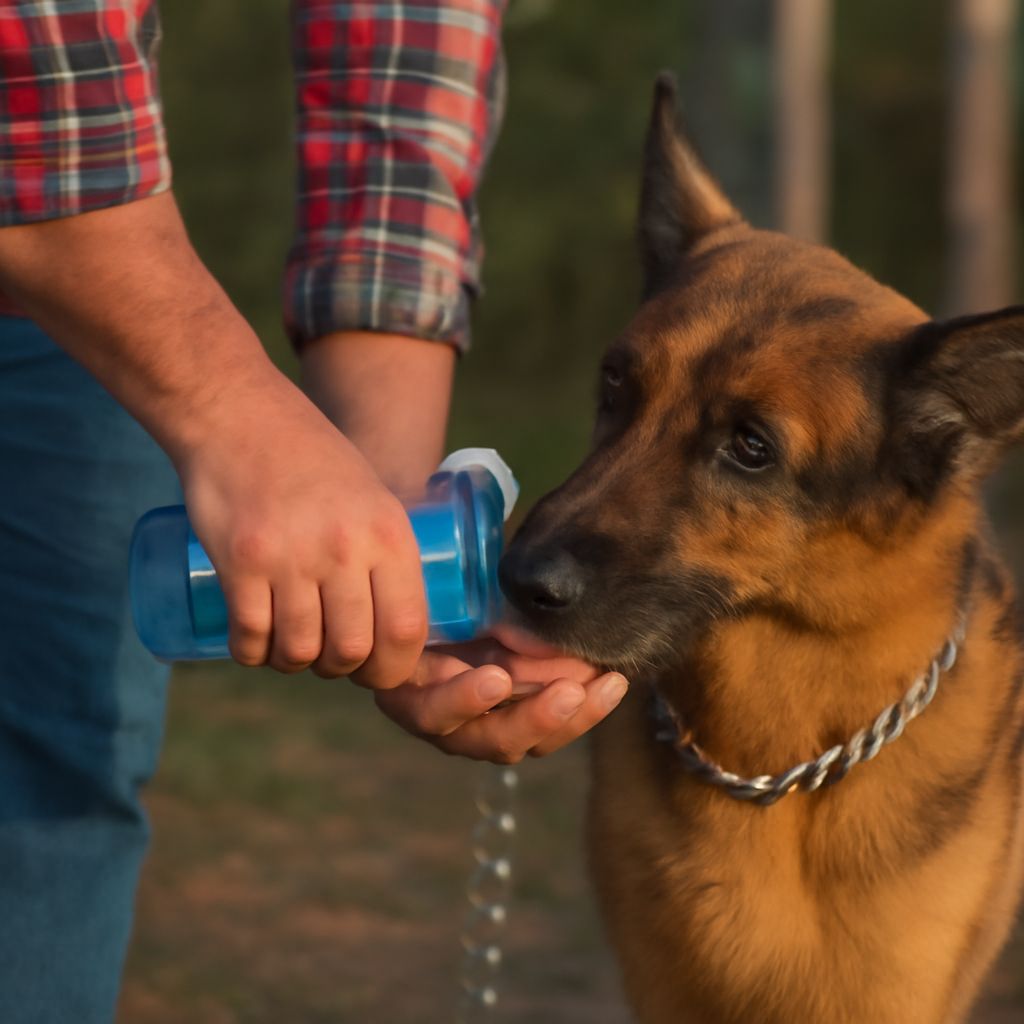
Practical Tips and Tricks To encourage your dog to drink more water, try placing multiple water bowls around the house. This makes it convenient for your pet to hydrate whenever they feel thirsty. Adding flavor to the water, such as a small amount of low-sodium chicken broth, can also entice your dog to drink. Ensure the water is fresh and at a comfortable temperature to make it more appealing.
Offering wet food can also increase your dog’s overall water intake, as it contains moisture that complements their hydration needs. Regularly clean your dog’s water bowls to prevent any buildup of bacteria that might deter your pet from drinking.
When to Consult a Veterinarian
If your dog’s reluctance to drink water persists despite your efforts, it’s crucial to seek professional advice. A veterinarian can assess potential medical issues that might be preventing your dog from drinking. Especially if your dog is exhibiting other symptoms or changes in behavior, a thorough examination can identify any underlying health concerns. For issues related to severe dehydration or noticeable weight loss, immediate veterinary attention is necessary.
In some cases, a licensed stylist specializing in dietary and lifestyle adjustments for pets might offer additional insights into improving your dog’s drinking habits. Combining veterinary expertise with practical lifestyle changes can effectively address your dog’s hydration needs.