Many pet owners worry when they see their beloved dog limping, fearing the worst. However, not all limping indicates a severe injury. With the right knowledge and tools, you can often treat a limping dog at home effectively. Before you reach for the phone to call your vet, consider that some cases of limping might resolve with simple home care. From using a dog treat canister to encourage rest to learning how to teach a dog to smile through the discomfort, there are various strategies to employ.
It’s also essential to remember that dog treat icing and other rewards play a crucial role in managing your dog’s behavior during recovery. This guide will walk you through the steps you can take at home, ensuring your furry friend returns to their energetic self as soon as possible. Let’s explore how to address your pet’s limping and prevent future injuries using wow pet treats and other methods.
Why is My Dog Limping?
Common Causes of Limping
Limping in dogs can arise from various sources, from simple strains to more severe conditions. Sprains or strains from overactivity are common; these usually heal with rest. Dogs might also limp if they step on something sharp or if they have an ingrown nail. Sometimes, limping can be due to arthritis, especially in older dogs, causing chronic discomfort.
When to Consult a Veterinarian
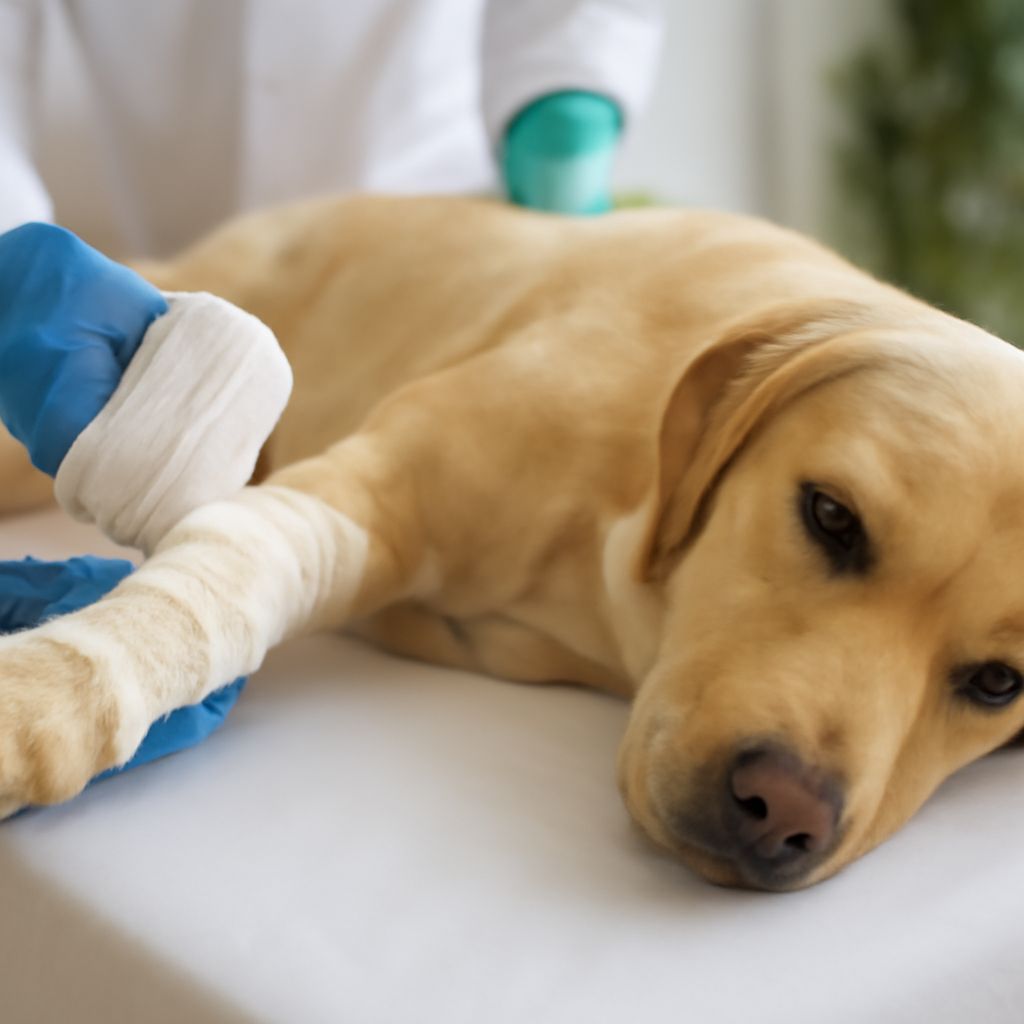
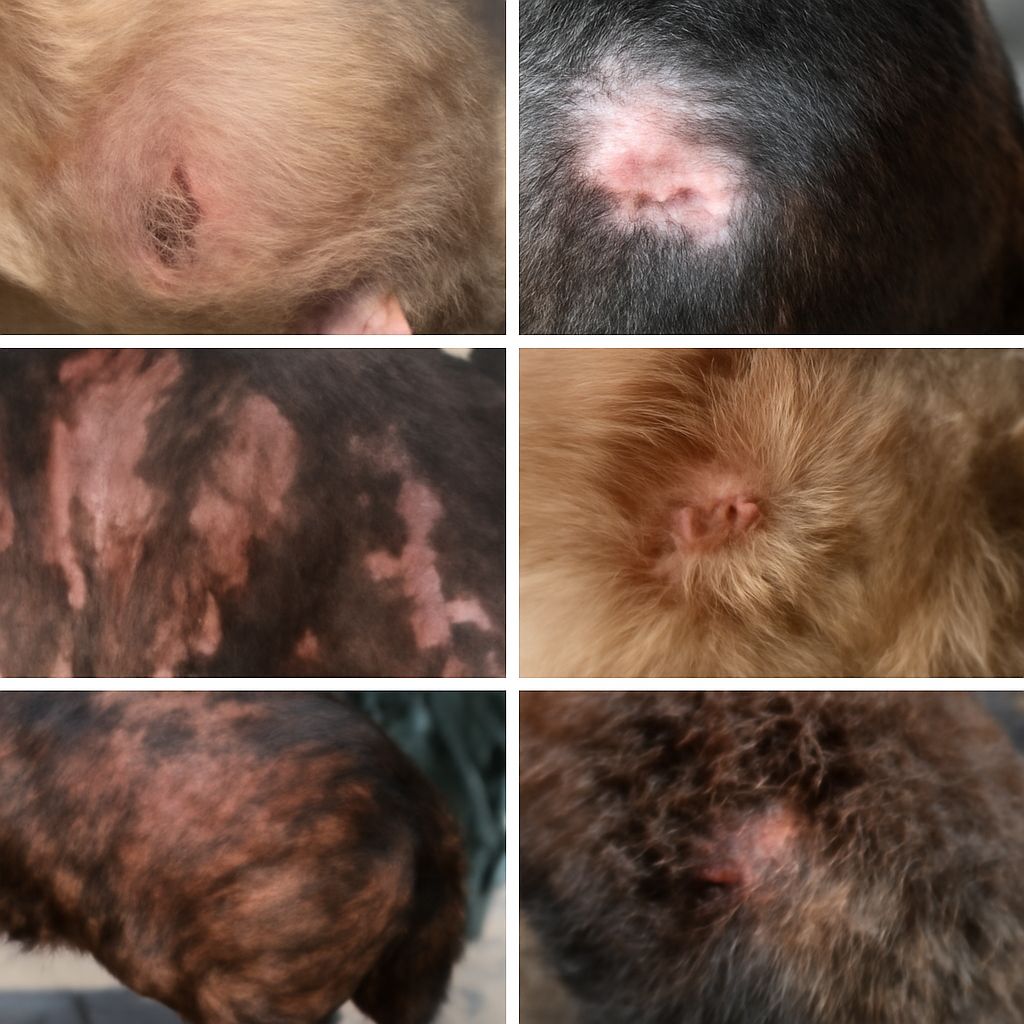
If your dog’s limp persists for more than a day or seems to worsen, it’s crucial to consult a veterinarian. Limping accompanied by swelling, inability to bear weight, or visible injuries requires professional evaluation. A licensed veterinarian can assess severe issues such as fractures or ligament tears that require medical intervention.
How to Treat a Limping Dog at Home
Immediate Steps to Take
When you notice your dog limping, the first step is to limit their activity. Ensure they rest in a comfortable space away from other pets or children. Apply a cold compress if there’s swelling and monitor their progress. Use a dog treat canister to reward them for staying calm and resting.
Using a Dog Treat Canister for Rewards
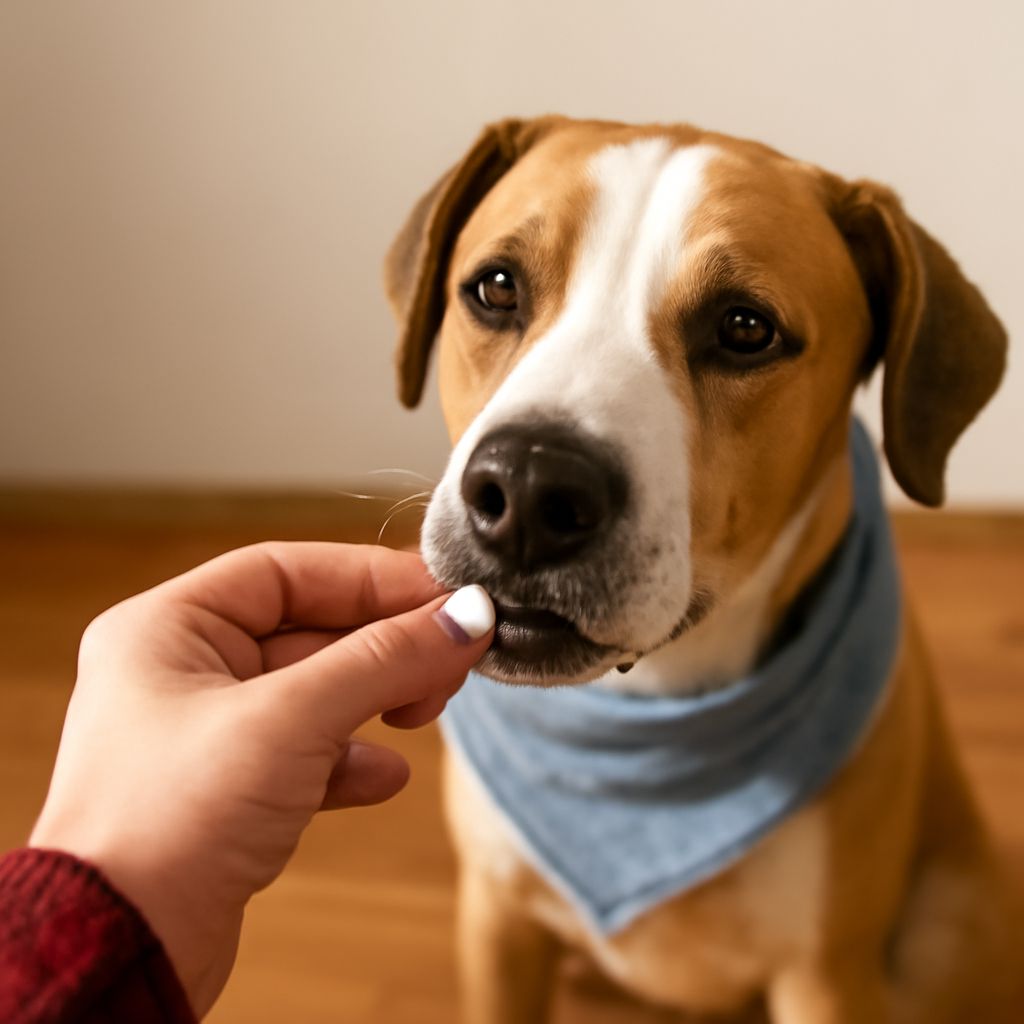
Positive reinforcement can help manage your dog’s behavior during recovery. Choose treats that your dog enjoys and keep them in a convenient dog treat canister. Rewarding them for resting can encourage a quicker recovery. Avoid any vigorous activities until the limp subsides.
Simple Home Remedies
Several home remedies can aid in recovery. Gently massaging the affected area may help relieve minor discomfort and promote healing. Ensure your dog maintains a healthy weight to minimize stress on their joints. Incorporating supplements for joint health, as recommended by your veterinarian, can also be beneficial.
Preventing Future Injuries
How to Teach a Dog to Smile Safely
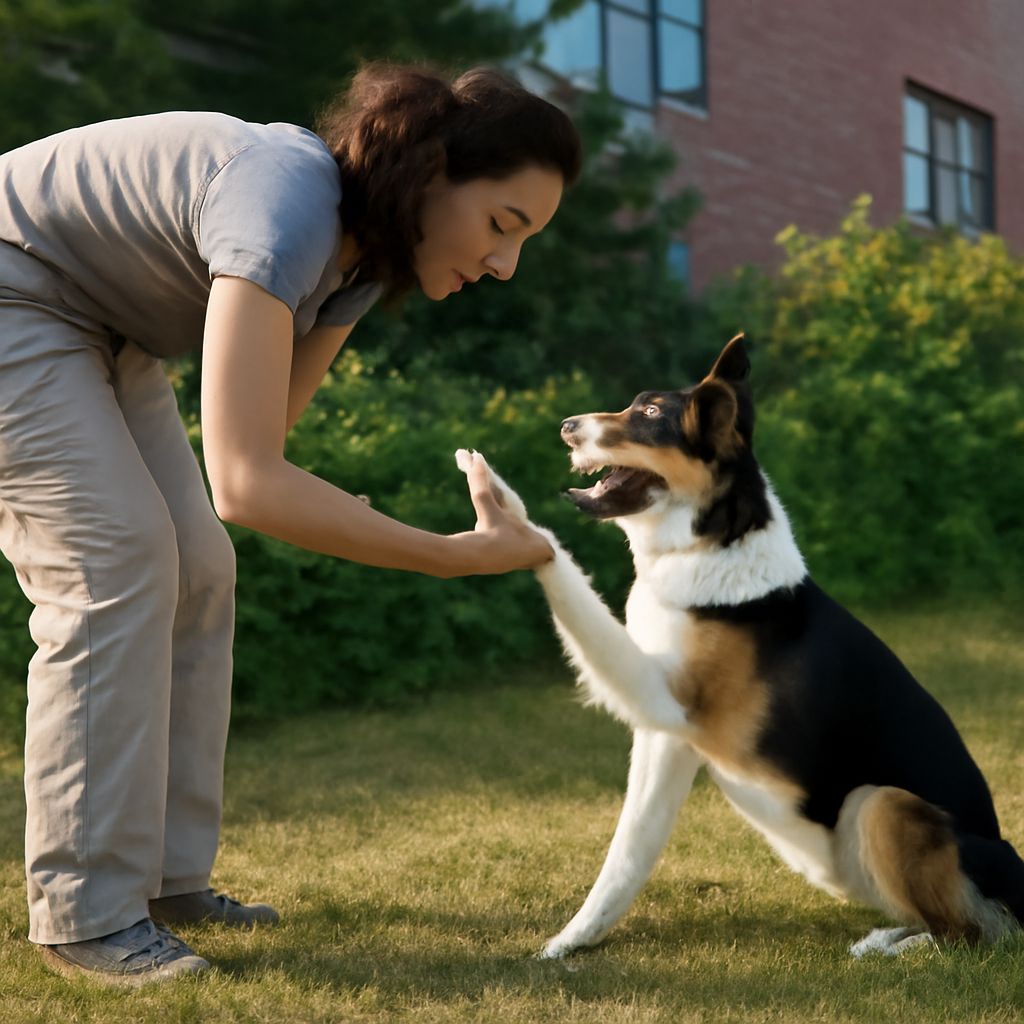
Teaching your dog to engage in positive behaviors, such as smiling, can be an excellent way to keep them mentally and physically stimulated. Start with simple commands and use treats judiciously. This approach can help prevent injuries by keeping your dog calm and less prone to sudden, harmful movements.
The Role of Dog Treat Icing in Training
Using dog treat icing can make rewards more enticing, helping reinforce desired behaviors. Ensure the icing is made from dog-safe ingredients. This can be a fun way to engage with your dog while encouraging them to follow commands that keep them safe and injury-free.
Choosing the Right Wow Pet Treats
Selecting the right treats is crucial in training and injury prevention. Opt for wow pet treats that are nutritious and appropriate for your dog’s dietary needs. Treats should be used in moderation, ensuring they complement a balanced diet while serving as effective incentives.
Safety Recap: When dealing with a limping dog, prioritize rest and monitor their condition closely. Use tools like treat canisters to manage behavior, and consider consulting a professional for persistent issues. Always prioritize your dog’s safety and comfort during recovery.