When you see your dog biting its tail, it’s easy to assume it’s just a quirky behavior or playfulness. However, this habit can indicate deeper issues that may require immediate attention. Many dog owners believe that the simple act of a dog chewing its tail raw is harmless and can be resolved with a few simple steps. Yet, the truth is far more complex, as tail biting can sometimes signal underlying health or behavioral problems that need addressing.
It’s crucial to understand why your dog might bite until it bleeds. This article explores the reasons behind this behavior, provides effective home remedies, and discusses when professional help is necessary. By the end, you’ll be equipped with the knowledge to tackle tail biting and understand how diet can play a role in your dog’s wellbeing.
Why is My Dog Biting its Tail?
Dogs bite their tails for various reasons, ranging from boredom to more serious health issues. It’s important to observe if this habit is persistent or accompanied by other symptoms. Curiosity about the tail can sometimes turn into a habit, but often there is an underlying cause that needs addressing.
Common Causes of Dog Chewing Tail Raw
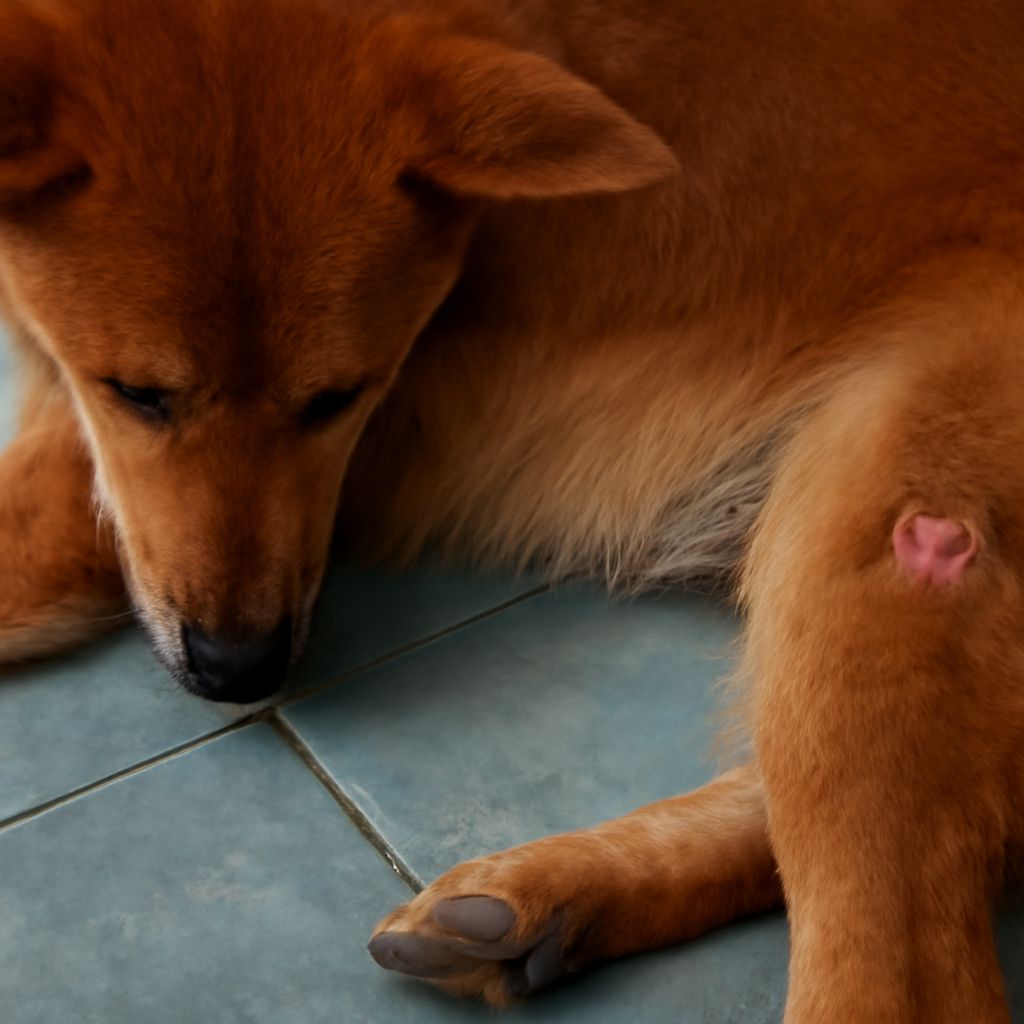
A dog that chews its tail raw may be suffering from allergies, parasites, or even mental health issues such as anxiety. Allergies, whether food-related or environmental, can cause itchy skin, leading to chewing. Fleas and other parasites can also be irritating, prompting dogs to bite at their tails. Anxiety and stress can manifest in this destructive behavior as well.
Home Remedies for Dog Biting Tail
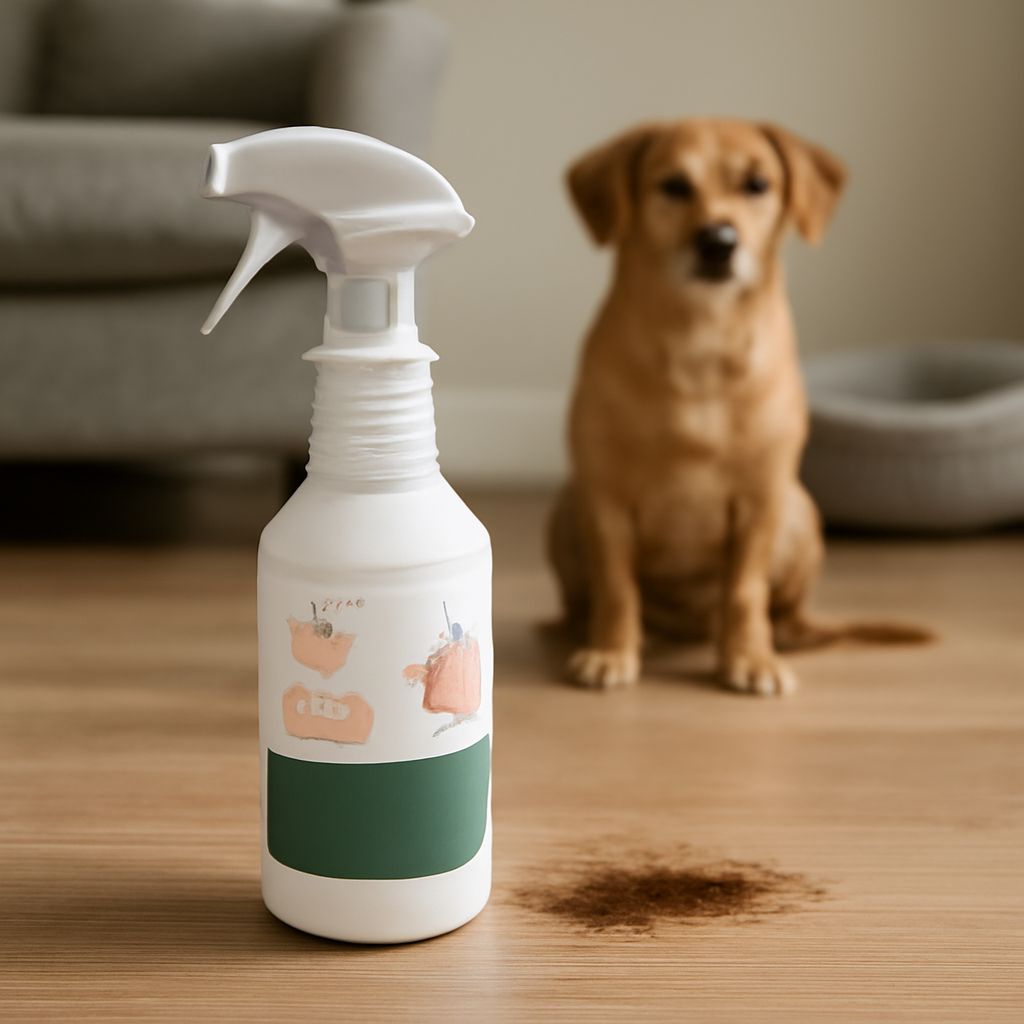
Several home remedies can help alleviate a dog biting its tail. A soothing oatmeal bath can relieve itchiness. Applying coconut oil is another remedy, as it has anti-inflammatory properties that may reduce irritation. Additionally, ensuring your pet has plenty of mental and physical stimulation can diminish boredom-induced tail biting.
When to Consult a Vet for Tail Issues
If home remedies fail and the dog continues to bite its tail until it bleeds, it’s time to consult a veterinarian. Persistent biting could indicate a more serious issue such as a deep infection or severe allergy that requires medical intervention. A vet can provide insights and treatment options tailored to your dog’s specific needs.
Preventing Dog Biting Tail Until It Bleeds
Preventing your dog from biting its tail until it bleeds involves a combination of monitoring, environmental changes, and proper grooming. Regular check-ups for fleas and ticks can prevent parasites from causing discomfort. Ensuring your dog receives adequate exercise can also prevent anxiety-related behaviors. Consistent grooming helps maintain healthy skin, reducing the likelihood of irritation.
How Diet Can Influence Tail Chewing
The role of diet in a dog biting its tail is often underestimated. A balanced diet can prevent allergies that might trigger this behavior. Omega-3 fatty acids, found in fish oil supplements, can improve skin health and reduce inflammation. Ensure your dog’s diet is rich in essential nutrients to promote overall health.
Bottom line: Addressing tail biting in dogs requires a comprehensive approach. Understanding the causes, applying home remedies, and knowing when to seek veterinary advice are crucial steps. Remember, a healthy diet can also play a vital role in reducing this behavior.