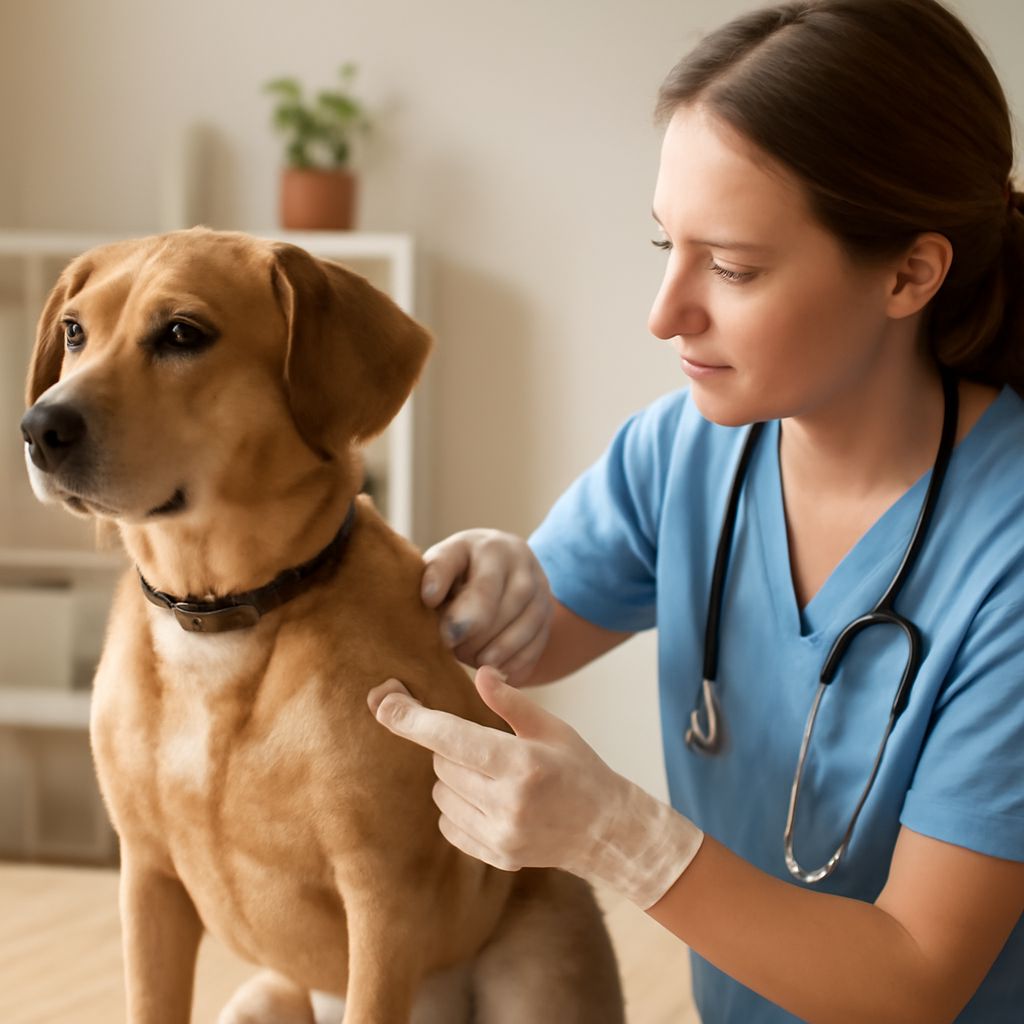
It’s a common misconception that only veterinarians can administer vaccines to dogs. While professional guidance is crucial for complex procedures, administering a subcutaneous injection to a dog can be a safe and manageable task for a pet owner. Understanding the proper method to give a dog a shot can empower you to take a more active role in your pet’s healthcare.
In addition to learning about vaccinations, many dog owners wonder about the qualifications for service animals. Can any dog be a service dog? Understanding the criteria and requirements for service dogs is essential, especially when it comes to legal aspects like landlords asking for proof of service dog status.
Understanding How to Give a Dog a Shot
Administering a shot to your dog involves several key steps to ensure safety and efficacy. Begin by gathering all necessary materials, such as the syringe, medication, and antiseptic wipes. Choose a calm environment to minimize stress for both you and your dog. Hold your dog steady, and after cleaning the injection site, gently insert the needle at a 45-degree angle. Administer the medication slowly, withdrawing the needle gently afterward. Reward your dog with a treat to reinforce positive behavior.
What is a Subcutaneous Injection for Dogs?
A subcutaneous injection is a method of delivering medication or vaccines just under the skin. This type of injection is common for dogs as it allows for quick absorption and is generally less painful than other types of injections. The loose skin around the back of a dog’s neck is typically the best site for a subcutaneous injection. Consult a licensed veterinarian to learn the proper technique and to ensure that it is appropriate for your dog’s specific medical needs.
Can Any Dog Be a Service Dog?
Service dogs are not limited to specific breeds or sizes; however, not every dog possesses the temperament or physical ability required to perform service tasks. Service dogs need to be well-trained to assist individuals with disabilities. This training can range from guiding visually impaired individuals to providing psychiatric support. It is important to assess whether a dog’s natural instincts and personality align with the demands of service work.
Do I Qualify for a Psychiatric Service Dog?
Qualifying for a psychiatric service dog involves meeting specific criteria. Generally, individuals must have a diagnosed mental health condition that substantially limits one or more major life activities. A healthcare professional can provide documentation that supports the necessity of a psychiatric service dog. The dog must be trained to perform tasks that directly mitigate the symptoms of the condition, such as interrupting anxiety attacks or providing grounding support during episodes.
Can a Landlord Ask for Proof of a Service Dog?
Under the Fair Housing Act, landlords cannot discriminate against tenants with service animals. However, they can request documentation that verifies the necessity of the animal. These documents typically include a letter from a licensed therapist or medical professional that confirms the tenant’s disability and the service dog’s role. It’s vital to maintain open communication with landlords to ensure a smooth housing arrangement.
Bottom line: Administering a subcutaneous injection to a dog can be a straightforward process with the right knowledge and preparation. Understanding the qualifications and rights related to service dogs can also ease legal and logistical concerns. Always consult professionals when dealing with complex health or legal issues related to your pet.