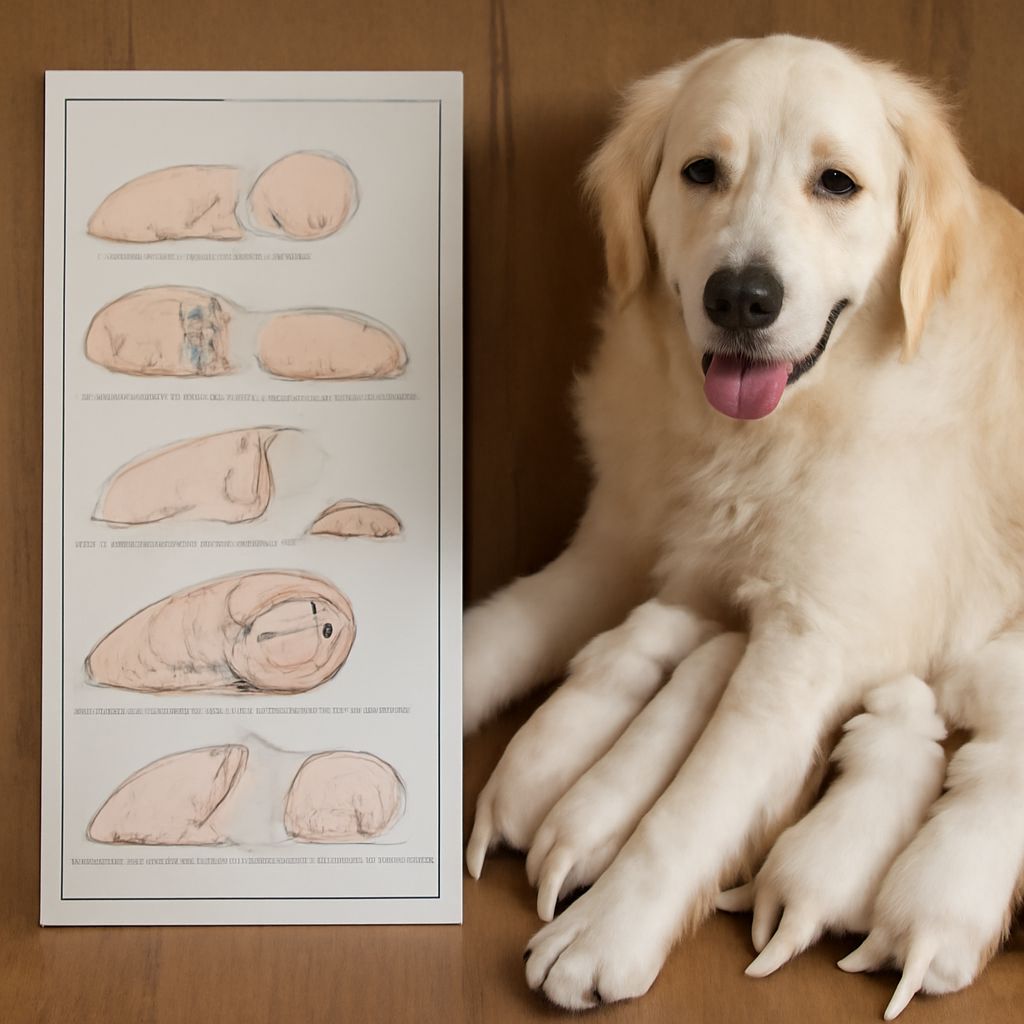
The process of a dog giving birth is an extraordinary event, yet it is often misunderstood. One common misconception is about the duration and nature of bleeding in dogs after they have given birth. Knowing what to expect with dog discharge after giving birth can help alleviate concerns and ensure the well-being of both the mother and her puppies.
Another crucial point of confusion is how to help a dog give birth faster and safely. Many assume that interventions are always needed, but understanding the natural birthing process and how to assist appropriately is key. This guide aims to clarify these myths and provide comprehensive insights into caring for a pregnant dog.
How Can I Help My Dog Give Birth Safely?
Preparing for the Birth
Preparation is fundamental when anticipating a dog’s labor. Create a quiet, comfortable, and clean area for your dog to deliver her puppies. This space should be away from household traffic to reduce stress. Stock up on necessary supplies, such as clean towels, a thermometer, and contact information for your veterinarian.
Signs of Labor in Pregnant Dogs
Recognizing signs of labor in dogs can help you better support your pregnant pet. Typical indications include nesting behaviors, a drop in body temperature, and restlessness. Monitor your dog closely once these signs appear to ensure a smooth birthing process.
How to Help a Dog Give Birth Faster
While most dogs can give birth without intervention, occasionally, assistance is needed to help a dog deliver her puppies promptly. Maintain a calm environment and only intervene if necessary. Consulting with a veterinarian beforehand can provide guidance on when and how to assist effectively.
What to Expect with Dog Discharge After Giving Birth?
Normal vs. Abnormal Discharge
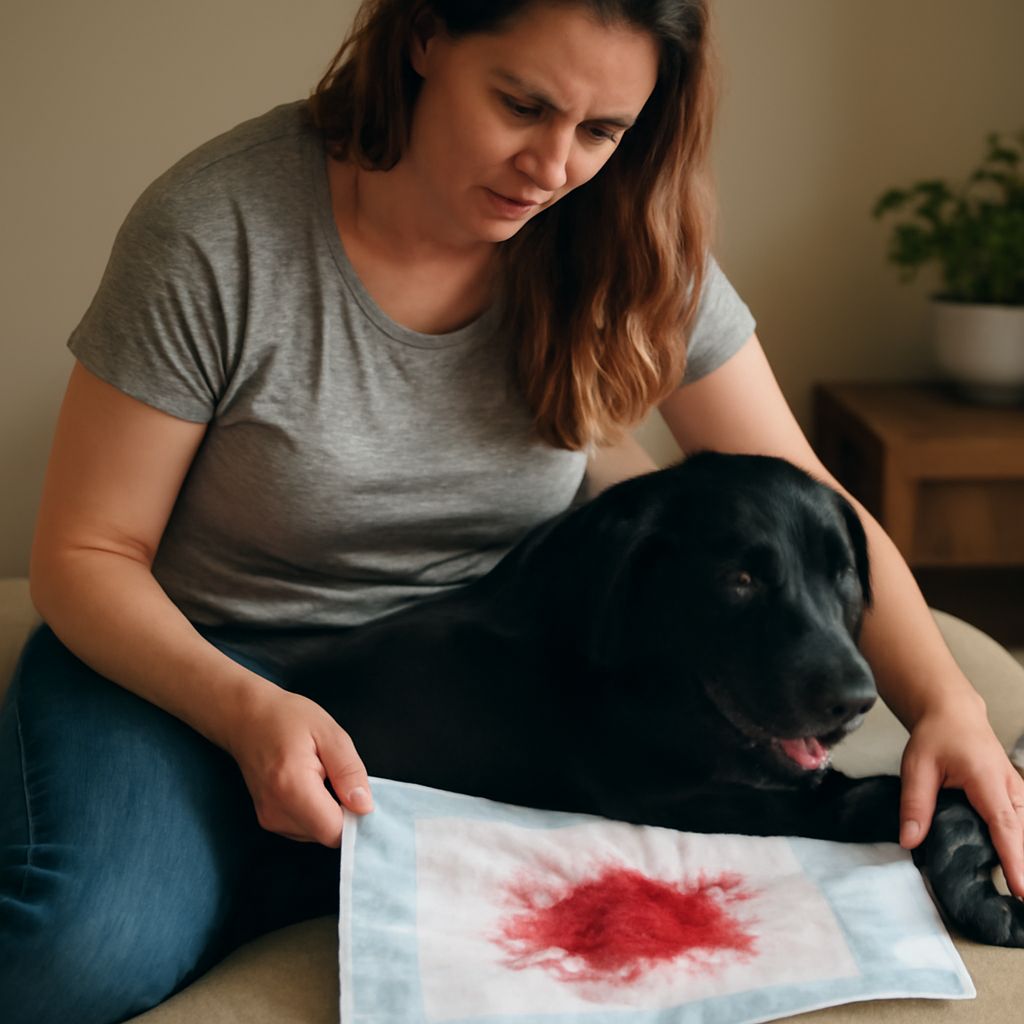
After giving birth, it is normal for dogs to experience some discharge. This discharge, known as lochia, is typically dark green or reddish-brown. However, if the discharge has a foul odor, contains pus, or if there is excessive bleeding, these may be signs of complications.
How Long Does a Dog Bleed After Giving Birth
Bleeding in dogs after delivery should gradually decrease over a period of weeks. Typically, bleeding can last for up to three weeks, but it should not be heavy or prolonged. Monitoring the discharge helps in assessing the mother’s recovery.
When to Seek Veterinary Help After Birth?
Post-birth veterinary care is essential if any abnormalities are observed. If the dog shows signs of distress, such as excessive panting, fever, or if the discharge changes in color or odor, immediate veterinary attention is necessary. Additionally, if the mother dog appears lethargic or refuses to eat, seeking professional veterinary care is advised.
Key takeaways: Educating yourself on what to expect with dog discharge after giving birth and knowing how to help a dog give birth faster and safely are critical for your dog’s health. Always consult with a licensed veterinarian if any concerns arise during or after the birthing process.