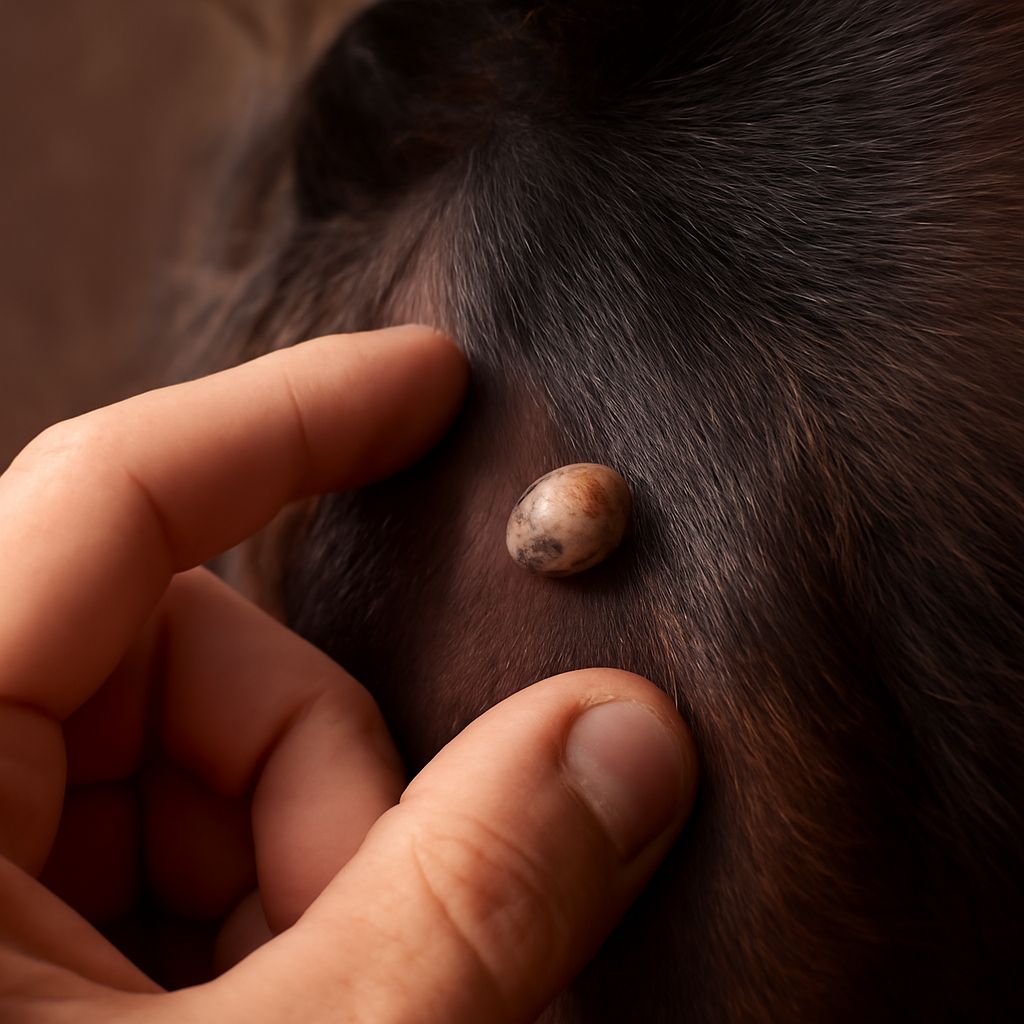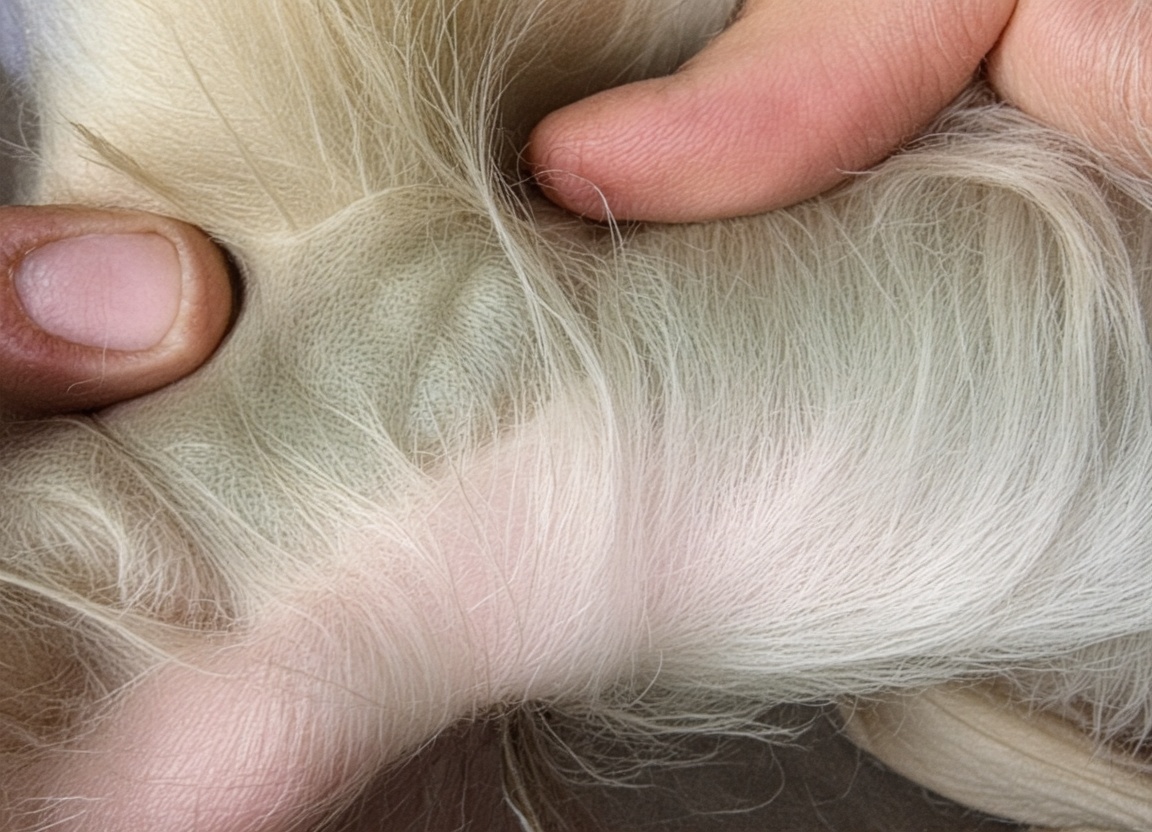
Contrary to popular belief, dog parasites are not exclusive to dogs living in unsanitary conditions or poor health. Even the most pampered pets are susceptible to different types of dog worms and common dog parasites. Regular checks for dog intestinal parasites are a must for every responsible pet owner.
Understanding Dog Parasites in Our Canine Companions
What exactly are dog parasites? They are organisms that live off a host, in this case, our dogs, potentially causing harm to the host’s health. It’s possible for dogs to get parasites in various ways, like ingesting contaminated food or water, or contact with another infected animal.
Dog Parasites: What are they?
Dog parasites come in forms such as worms, fleas, and mites. They can cause various health issues like skin irritation, digestive troubles, or even severe illnesses.
How do dogs get dog parasites?
Dogs can pick up parasites from their environment, contaminated food or water, or from other infected animals. Regular vet visits can help detect and manage infestations early.
Exploring the Types of Dog Worms: A Detailed Overview
Within the umbrella of dog parasites, there are several types of dog worms that pet owners should be aware of.
The most common types of dog worms
These include roundworms, hookworms, tapeworms, and whipworms. Each type affects dogs differently and requires specific treatment interventions.
Recognizing the signs of dog worms in dogs
Signs that your dog may have worms include weight loss, diarrhea, vomiting, or a bloated stomach. Again, prompt consultation with a vet is crucial to ensure appropriate treatment.
Dog Intestinal Parasites: A Hidden Threat to Dog Health
Another category of concern is dog intestinal parasites, which can be a hidden threat to your dog’s health.
How to identify dog intestinal parasites in dogs
Signs of intestinal parasites in dogs include diarrhea, vomiting, weight loss, or a dull coat. Vet examination and stool sample testing are necessary for accurate diagnosis.
Treatment and prevention of dog intestinal parasites
Once diagnosed, your vet will prescribe specific treatments for dog intestinal parasites. Preventive measures include regular deworming, parasite control products, and maintaining a clean environment.
Dealing with the Dog Parasite: A Vet’s Advice
The most effective way to diagnose a dog parasite is through a vet consultation.
How to diagnose dog parasite
Vets use a combination of physical examination, history, and testing (like stool sample analysis) to diagnose parasites in dogs.
Safe treatments for dog parasite
Treatment varies depending on the parasite type and severity of infestation. It could involve oral medications, injections, or topical treatments.
Prevention and Control of Common Dog Parasites: Expert Tips
By following expert tips, you can help prevent the occurrence of common dog parasites.
How to prevent common dog parasites
Regular vet visits, maintaining a clean environment, frequent hand washing, and using parasite control products help prevent most dog parasites.
Importance of regular check-ups for dog parasite detection
Regular vet check-ups can catch parasite infestations early, making treatment easier and helping keep your pup healthy.