When it comes to dog training, there are numerous misconceptions about what makes a breed easy to train. Contrary to popular belief, deer hunting dog breeds and unpopular dog breeds can be among the best trained dog types, given the right techniques. It’s essential to understand that police dog breeds ranking sometimes doesn’t dictate ease of training, but rather highlights their specialized skills.
In this article, we’ll explore why certain breeds excel in obedience and how even those less favored can achieve top training results. By diving into the characteristics and methods that work, you’ll gain insight into why some breeds are notably easier to train than others.
What Are the Easy to Train Dog Breeds?
Top Characteristics of Easy to Train Dogs
Easy to train dog breeds often possess a combination of intelligence, eagerness to please, and a strong work ethic. Breeds like Border Collies and Poodles are known for their quick learning abilities and adaptability. These traits make them excellent candidates for obedience training and various dog sports.
Why Easy to Train Breeds Excel in Obedience
These breeds excel in obedience due to their innate desire to work alongside humans. Their cooperative nature and attentiveness to commands make them ideal for training sessions that require focus and precision. The foundation of their obedience success lies in their temperament and energy levels, which are conducive to structured training environments.
Can Deer Hunting Dog Breeds Be Easily Trained?
Training Tips for Deer Hunting Dog Breeds
While deer hunting dog breeds might not immediately come to mind as easy to train, they possess unique qualities that make them highly trainable. Consistent and patient training techniques, especially those that incorporate tracking exercises, can enhance their natural instincts.
Benefits of Training Deer Hunting Breeds
Training these breeds can lead to exceptional tracking and retrieval skills. By focusing on their natural abilities, trainers can achieve remarkable results in both hunting and obedience contexts. These dogs often form strong bonds with their handlers, further enhancing their training potential.
Are Unpopular Dog Breeds Harder to Train?
Challenges of Training Unpopular Dog Breeds
Unpopular dog breeds might face challenges due to biases and lack of understanding. However, with tailored training approaches that respect their individual characteristics, these breeds can overcome perceived limitations and excel in obedience.
Success Stories: Training the Unpopular
Numerous success stories highlight how dedicated training can lead to impressive outcomes for these breeds. By addressing specific needs and using positive reinforcement, trainers have turned these underappreciated dogs into shining examples of the best trained dog potential.
What Makes the Best Trained Dog?
Traits of the Best Trained Dog
The best trained dog often exhibits traits such as agility, responsiveness, and a keen sense of discipline. These attributes are not limited to a single breed but can be nurtured across various types through consistent and mindful training.
Achieving Top Training Results
To achieve top training results, it’s crucial to establish a strong foundation with basic commands and progressively build more complex tasks. This approach ensures that dogs, regardless of breed, develop reliably and responsively.
How Do Police Dog Breeds Ranking Affect Training?
Top Police Dog Breeds for Training
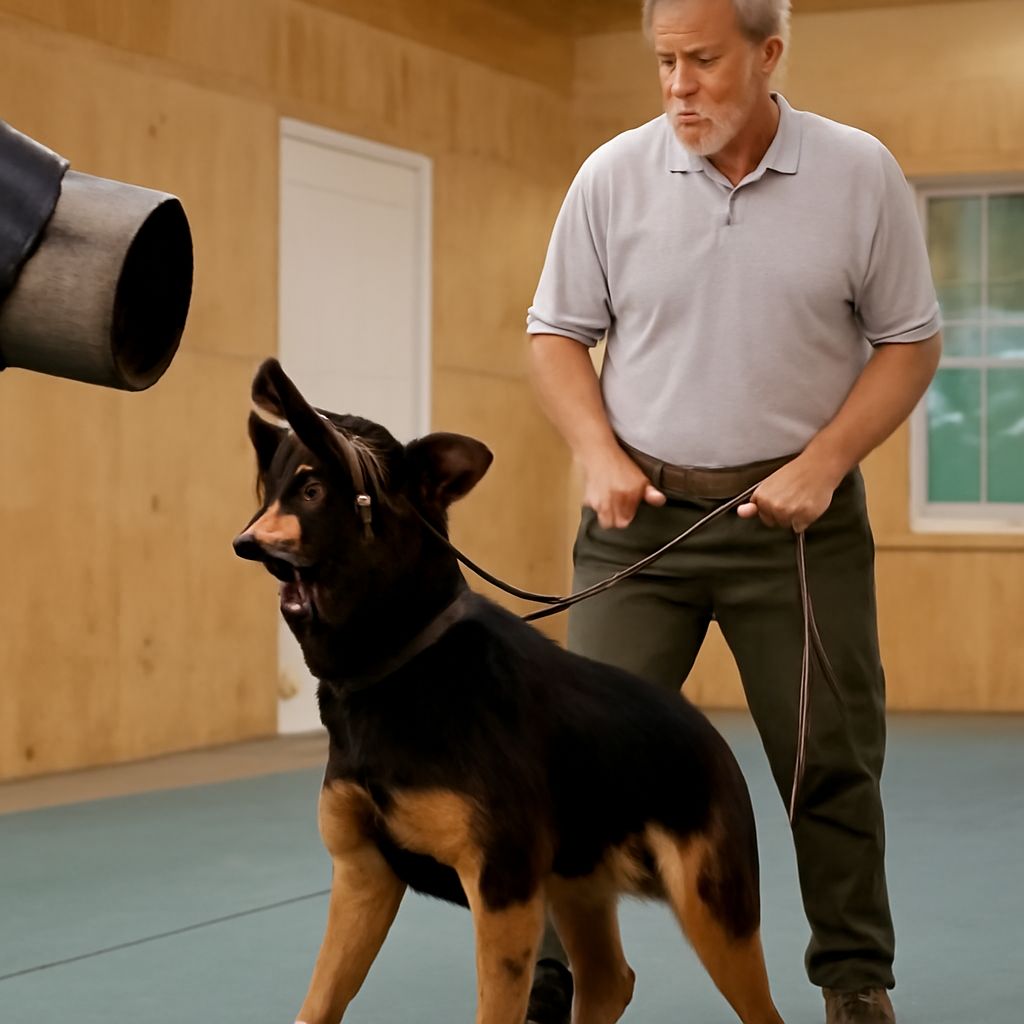
Police dog breeds like the German Shepherd and Belgian Malinois rank highly due to their strong protective instincts and trainability. These breeds are often selected for their ability to perform under pressure and adapt to various scenarios.
The Role of Ranking in Training Success
While police dog breeds ranking provides insights into their capabilities, it is the tailored training programs that truly determine their success. Emphasizing structure and repetition, these programs harness the breeds’ natural talents, leading to highly skilled service dogs.