Dog owners often face the challenge of maintaining a clean and odor-free home while dealing with the occasional mishap from their furry companions. Misconceptions abound when it comes to effectively managing pet stains and odors. Some believe any household cleaner will do, while others underestimate the significance of specialized products like pet urine neutralizers. Whether it’s a blood blister on your dog’s belly or an unexpected mess on the carpet, understanding the nuances of pet care and cleaning can make all the difference.
Addressing issues like dog paw blisters requires a combination of proper care and the right cleaning tools. Using the best pet stain and odor remover ensures not only a clean environment but also a healthy one for your pet. This comprehensive guide will equip you with the knowledge to handle these common issues effectively and efficiently.
How to Choose the Best Pet Stain and Odor Remover
Understanding Different Types of Stains
Stains caused by pets can vary widely, from urine and feces to vomit and dirt. It’s crucial to identify the type of stain you’re dealing with to choose the appropriate cleaning solution. Products designed as pet stain removers have specific formulations to break down organic matter and neutralize odors effectively.
Top Features to Look For
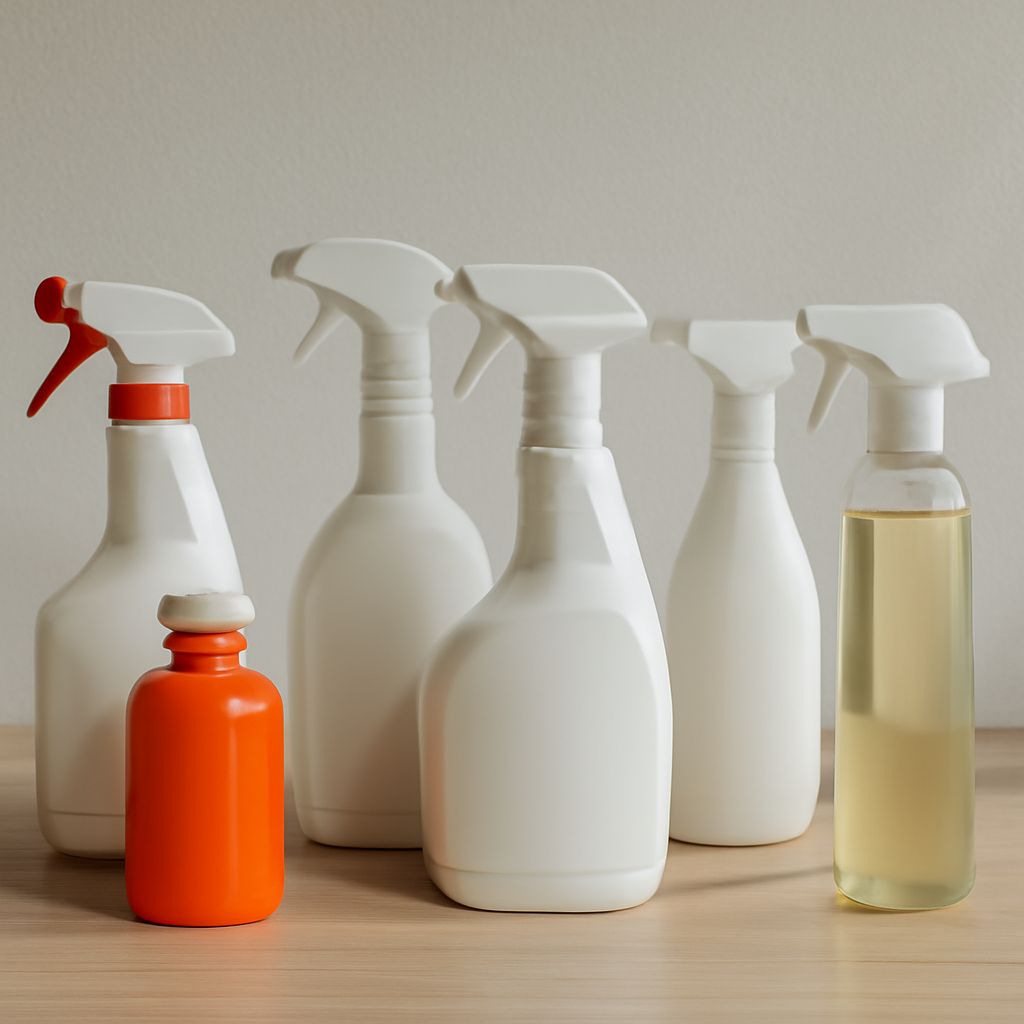
When selecting a product, look for features such as enzymatic formulas that actively break down stain-causing substances. A good pet stain remover should also be non-toxic and safe for both pets and humans. Consider products that promise fast action and long-lasting odor control for the best results.
What Causes a Blood Blister on Dog Belly?
Recognizing Symptoms
Blood blisters can appear on a dog’s belly due to various reasons, including trauma, insect bites, or skin infections. It’s important to monitor any unusual swelling or discoloration on your dog’s skin. If the blister persists or seems to cause discomfort, it’s advisable to consult a veterinarian for a proper diagnosis.
Effective Treatments
Treatment begins with cleaning the affected area with mild antiseptic solutions. Avoid popping the blister, as this can lead to infection. If necessary, a vet may provide recommendations on topical treatments or further medical intervention.
How to Treat a Dog Paw Blister
First Aid Steps
Begin by cleaning the paw gently with soap and water to remove dirt and debris. Apply a soothing balm to protect the skin and reduce inflammation. Keep your dog from licking the area, as this can hinder the healing process.
When to See a Vet
If the blister is large, does not improve, or is causing significant discomfort to your dog, it’s crucial to seek veterinary advice. Severe cases may require specialized care or medication to prevent infection and promote healing.
What is a Pet Urine Neutralizer and How Does It Work?
Benefits of Using Neutralizers
Pet urine neutralizers are specially formulated to eliminate the smell and stain of pet urine rather than masking it. These products often use enzymes to break down the compounds found in urine, providing a more effective clean.
Choosing the Right Product
When purchasing a urine neutralizer, look for one that is suitable for the surfaces you wish to clean, such as carpets, hardwood floors, or upholstery. Ensure the product is safe for pets and does not leave behind harmful residues.
Key takeaways: Proper pet care involves both medical attention and effective cleaning solutions. Use specialized products to manage stains and odors while ensuring your pet’s health by consulting professionals for medical concerns such as blood blisters or severe paw blisters.