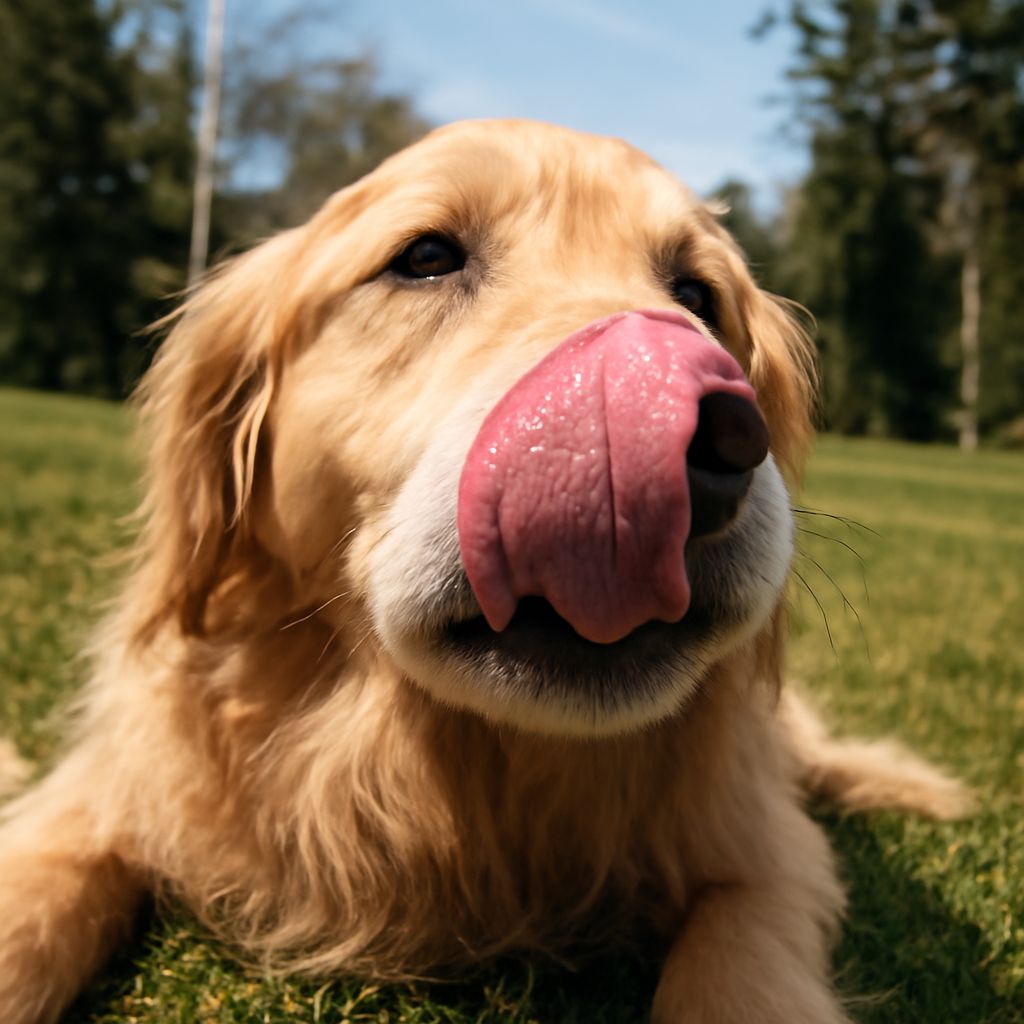
When your dog is obsessively licking, it can be both puzzling and concerning. Many pet owners believe that dog compulsive licking is simply a sign of affection or a quirky habit. However, it’s crucial to recognize that constant licking could indicate underlying issues that need attention. Understanding why your dog constantly licks is the first step toward addressing the behavior effectively.
This article will delve into the reasons behind excessive dog licking and provide practical solutions. We aim to equip you with the knowledge to manage and prevent dog obsessive licking, ensuring a healthier and happier life for your furry friend.
Why is My Dog Obsessively Licking?
Common Causes of Excessive Dog Licking There are several reasons a dog may engage in constant licking. Often, it stems from anxiety or stress, where the act of licking serves as a coping mechanism. Allergies or skin irritations can also lead to frequent licking as dogs try to soothe their discomfort. In some cases, dogs with compulsive disorders might exhibit repetitive licking behaviors, known as dog compulsive licking.
Environmental factors, such as changes in the household or a lack of mental stimulation, can also contribute to this behavior. It’s vital to observe your dog’s environment and routine to identify potential triggers.
How to Identify the Root Cause
To determine the cause of your dog’s licking, evaluate their overall behavior and health. Check for signs of skin irritation, such as redness or inflammation, which may indicate allergies or a dermatological issue. Monitor their licking patterns—do they lick specific areas or is it a generalized behavior?
Consulting with a veterinarian can provide insight into any medical concerns that might be contributing to the obsessive licking. This step is especially important if the behavior is accompanied by other symptoms like hair loss or behavioral changes.
How to Manage Dog Compulsive Licking
Training Techniques to Reduce Licking
Behavioral modification techniques can be effective in managing dog compulsive licking. Positive reinforcement, where desirable behaviors are rewarded, can encourage your dog to reduce licking. Redirecting their attention with toys or treats when they begin to lick excessively can also be beneficial.
Providing your dog with plenty of mental and physical stimulation can reduce anxiety-related licking. Interactive toys, regular walks, and engaging training sessions help keep your dog occupied and content, minimizing the need for self-soothing through licking.
When to Seek Professional Help
If your dog continues to exhibit compulsive licking despite your efforts, it may be time to consult a professional. A qualified animal behaviorist or dog trainer can offer specialized strategies tailored to your dog’s unique needs. Additionally, if medical issues are suspected, a veterinarian’s guidance is crucial to rule out or address any underlying health problems.
Preventing Future Episodes of Dog Obsessive Licking
Preventive Measures and Best Practices To prevent future episodes of obsessive licking, maintain a consistent routine and environment for your dog. Regular veterinary check-ups are essential to monitor and manage any health issues that may arise. Keep your dog’s living spaces clean and free from allergens, and provide a balanced diet to support their overall health.
Offer ample opportunities for mental and physical exercise daily. This practice not only promotes well-being but also prevents boredom, a common trigger for excessive licking. By fostering a stable and enriching environment, you can help your dog overcome and avoid compulsive licking behaviors.