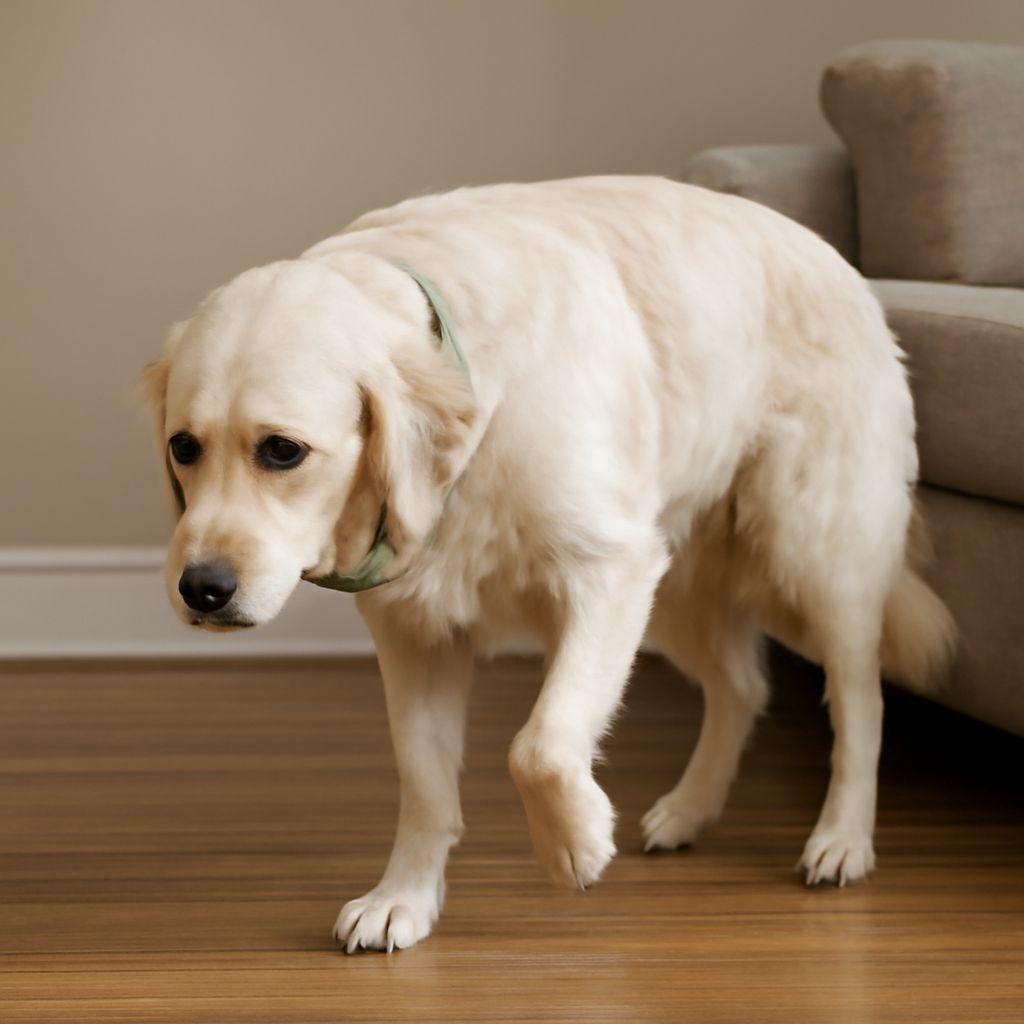
Knowing how long can dog go without food is essential for any owner facing a pet that has stopped eating. A healthy adult dog can typically survive three to five days without food, provided water intake continues. However, going beyond 24 to 48 hours without eating in a sick dog is a clinical concern, not something to wait out at home.
Learning how to get a sick dog to eat involves more than just switching food brands. It means understanding the physiological reason behind the refusal and addressing it appropriately. What to give a sick dog, when to escalate, and how to force feed a dog who won’t eat are practical decisions that can significantly affect recovery speed and outcome. Force feeding itself — knowing how to force feed a dog — is a last resort with specific safe methods that every owner should understand before attempting.
How Long Can a Dog Safely Go Without Eating
A dog that skips one meal is rarely a crisis. Skipping two meals warrants monitoring. A canine that hasn’t consumed food for 48 hours — especially one that is already unwell, very young, elderly, or a small breed — requires veterinary evaluation.
Extended fasting causes muscle catabolism, hypoglycemia in small dogs, and immune suppression. Toy breeds and puppies are at greater risk of dangerous blood sugar drops than larger adult dogs. When a dog abstains from eating beyond two days, the body begins breaking down muscle protein for energy, accelerating deterioration. Time matters more than many owners realize.
Encouraging a Sick Dog to Eat Again
Foods That Stimulate Appetite Plain boiled chicken and white rice remains the most reliable appetite stimulant for dogs recovering from gastrointestinal illness. The bland composition is easy to digest while providing adequate calories. Warm food releases more aroma than cold food, which activates a dog’s appetite center more effectively.
Low-sodium bone broth poured over kibble can entice a reluctant eater without introducing ingredients that worsen nausea. Baby food made from plain meat (no onion, garlic, or added seasonings) is another veterinarian-recommended option for dogs that won’t accept their usual meals.
When to Escalate to Assisted Feeding
When a dog refuses all offered foods for more than 48 hours despite encouragement, and no underlying cause has been identified, assisted feeding becomes necessary. Consult a veterinarian before proceeding — the cause of anorexia in dogs determines whether force feeding is appropriate or contraindicated.
How to Force Feed a Dog: Method and Cautions
The safest method for administering food to a dog that won’t eat voluntarily involves using a syringe or squeezing soft food onto the finger and placing it along the gum line. The dog licks and swallows with minimal stress. This technique works best with high-calorie, smooth-texture foods such as prescription recovery diets available through veterinarians.
Never force-feed a dog by pushing large amounts into the mouth or tilting the head back. Dogs that are nauseated, have throat obstructions, or are neurologically impaired can aspirate food into the lungs, causing aspiration pneumonia. Any owner attempting to encourage a dog who won’t eat through assisted means should do so only under veterinary guidance. Tube feeding is a medical procedure requiring professional training.
When to Call the Veterinarian
Appetite loss lasting more than 48 hours, or shorter periods paired with vomiting, diarrhea, lethargy, or visible pain, requires veterinary assessment. A dog not eating due to a treatable infection, obstruction, or medication side effect will not improve through dietary coaxing alone. Bloodwork, imaging, and examination identify the actual cause and guide appropriate treatment.