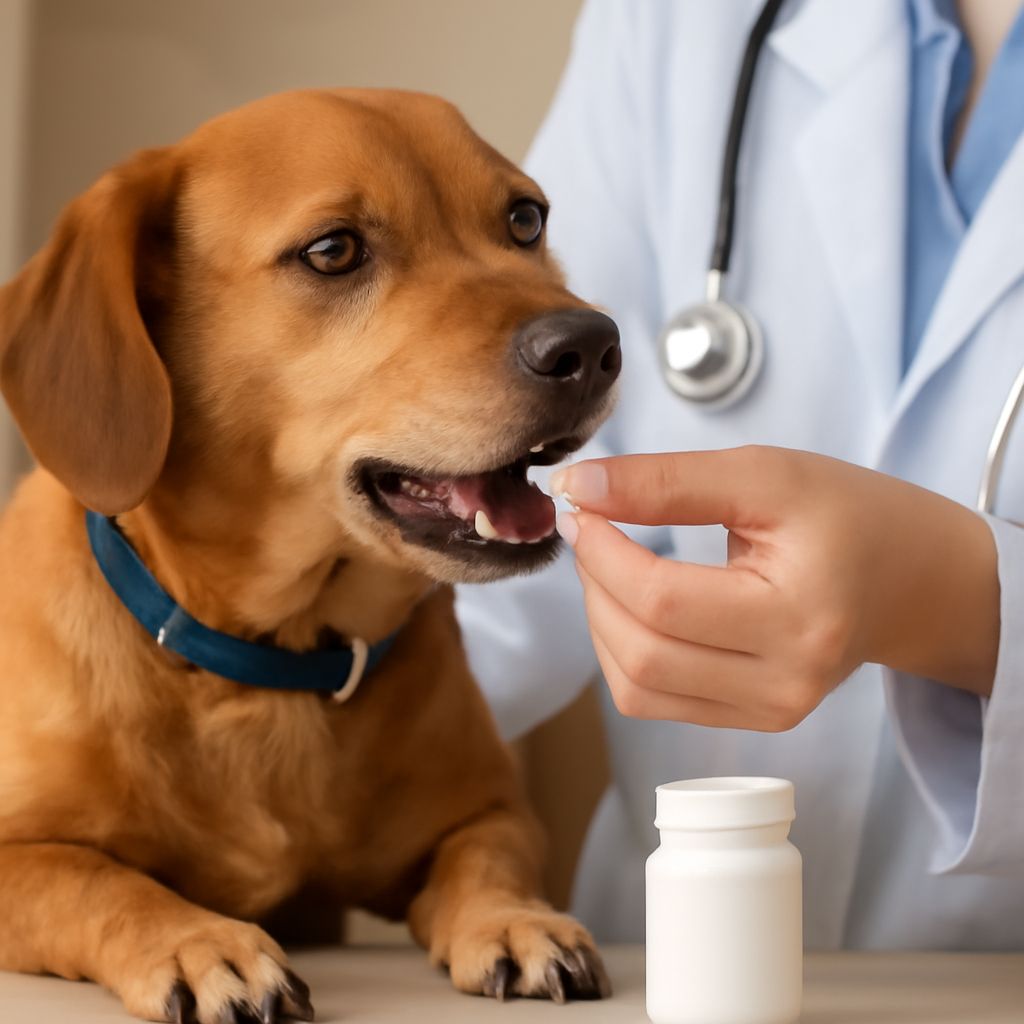
Dog antibiotics are prescription medications that require veterinary authorization — they are not interchangeable with human formulations even when the active ingredient appears identical. A dog antibiotic must be dosed based on the dog’s weight, the bacterial species being targeted, the site of infection, and the drug’s pharmacokinetics in canine patients. Dog antibiotics side effects are real and range from mild gastrointestinal upset to serious organ damage with prolonged or inappropriate use. Antibiotics for pets should never be borrowed from another animal’s prescription or discontinued early because the pet appears to have improved — incomplete courses drive antibiotic resistance. One of the most specific questions owners ask about dog UTI treatment: how long for antibiotics to work varies based on the antibiotic selected, the causative organism, and the severity of the infection.
Commonly Prescribed Dog Antibiotics and Their Uses
Amoxicillin and Amoxicillin-Clavulanate
Amoxicillin is a broad-spectrum penicillin antibiotic used for skin infections, soft tissue infections, and urinary tract infections in dogs. Amoxicillin-clavulanate (Clavamox) extends coverage to beta-lactamase-producing bacteria that would otherwise inactivate plain amoxicillin. These are among the most commonly prescribed antibiotics for pets in general veterinary practice. Side effects include vomiting and diarrhea, which are reduced by administering the medication with food.
Enrofloxacin and Fluoroquinolones
Enrofloxacin (Baytril) belongs to the fluoroquinolone class and is used for urinary tract infections, respiratory infections, and skin infections in dogs. It is particularly effective against gram-negative organisms. Fluoroquinolone antibiotics should not be used in growing puppies — they can damage developing cartilage. Side effects include gastrointestinal upset and, rarely, central nervous system effects at high doses. This antibiotic class is reserved for cases where culture and sensitivity confirm its appropriateness.
Metronidazole and Clindamycin
Metronidazole targets anaerobic bacteria and Giardia and is commonly used for gastrointestinal infections and oral infections in dogs. Clindamycin is used for dental infections, bone infections, and soft tissue infections involving anaerobic bacteria. Both drugs can cause gastrointestinal side effects including nausea and appetite reduction.
Dog Antibiotics Side Effects and Management
The most common dog antibiotic side effects are gastrointestinal — vomiting, diarrhea, and reduced appetite occur across most antibiotic classes. Administering medication with food reduces GI impact for most antibiotics. Probiotic supplementation during and after antibiotic courses helps restore gut flora disrupted by treatment. Serious side effects including liver enzyme elevation, blood count changes, and hypersensitivity reactions are uncommon but require immediate veterinary reporting.
Dog UTI: How Long for Antibiotics to Work
Most dogs with uncomplicated urinary tract infections show clinical improvement — reduced straining, clearer urine, fewer accidents — within 48 to 72 hours of starting the appropriate antibiotic. A standard UTI treatment course runs 7 to 14 days. Culture and sensitivity testing is recommended to confirm the antibiotic is matched to the specific organism — empirical treatment without culture risks using the wrong drug and allowing resistance to develop. A follow-up urine culture 5 to 7 days after completing treatment confirms the infection has cleared.
Bottom line: Dog antibiotics require veterinary prescription, appropriate dosing, and full course completion to be effective. Side effects are manageable with food administration and probiotics. UTI treatment typically shows clinical improvement within 48 to 72 hours but requires a full course to clear the infection.