Many dog owners wonder, “Can dogs eat acorn squash?” It’s a common question that stems from concerns about safety and health benefits. Contrary to some myths circulating online, both butternut and acorn squashes are safe for canine consumption when prepared correctly. These nutrient-rich vegetables can be a delightful addition to your dog’s diet, offering various health advantages.
Before you start incorporating squash into your dog’s meals, it’s essential to understand the differences in preparation and benefits between butternut squash and its acorn counterpart. This guide will provide a comprehensive overview, ensuring your furry friend enjoys the benefits without any digestive upset or nutritional imbalances.
Why Butternut Squash is Safe for Dogs
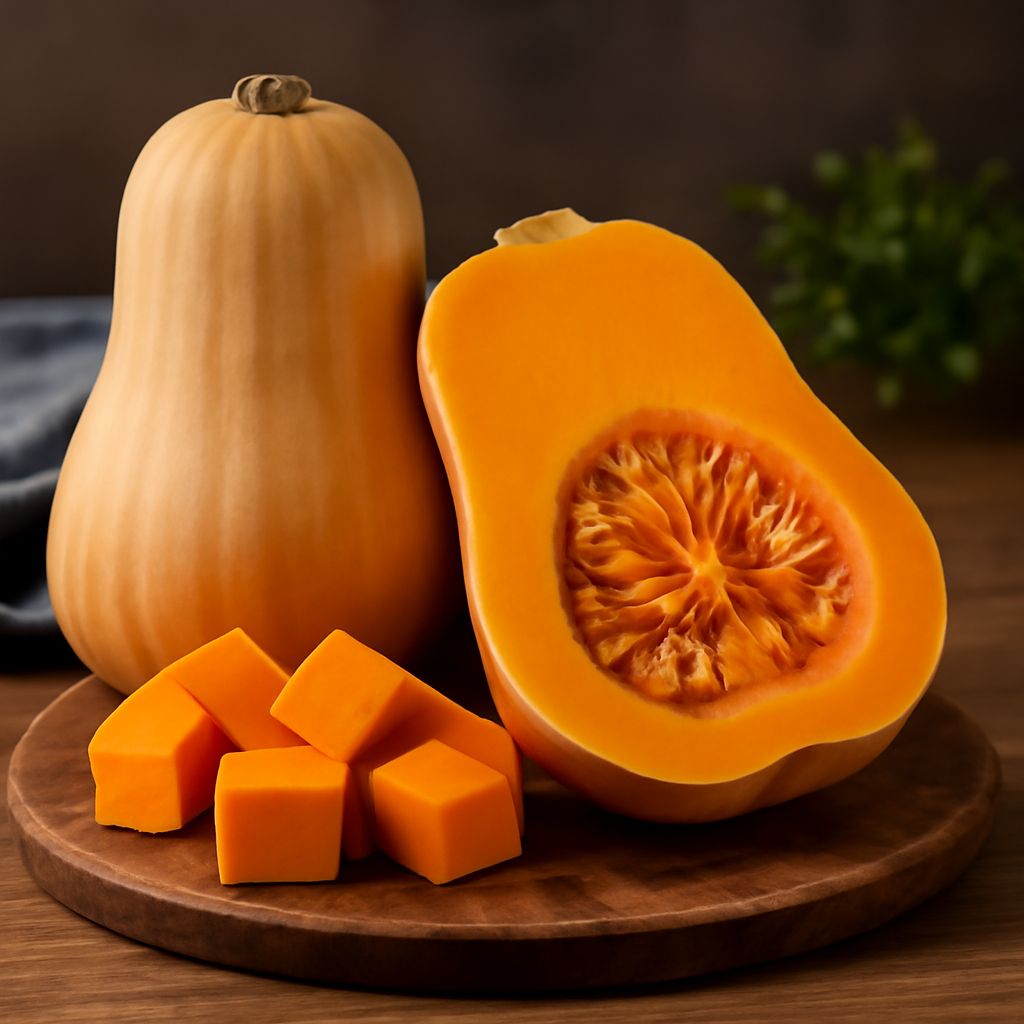
Butternut squash is a safe and nutritious option for dogs. It is low in calories and high in essential vitamins like A, C, and B6, making it an ideal choice for a healthy treat. The natural fiber content in butternut squash aids in maintaining a healthy digestive system for your pet, which can help prevent constipation and support overall gut health.
When introducing butternut squash to your dog’s diet, ensure it is cooked and served in moderation. Raw squash might be too tough for dogs to digest, leading to potential gastrointestinal issues. Always remove the seeds and skin to reduce choking hazards and digestive problems. Pureeing the squash can make it easier for your dog to enjoy and absorb its nutritional benefits.
Benefits of Acorn Squash for Dogs
Acorn squash, similar to butternut squash, offers several nutritional benefits for dogs. Packed with antioxidants, acorn squash can help boost your dog’s immune system. The presence of potassium in acorn squash supports healthy muscle function and regulation of blood pressure in dogs.
Adding acorn squash to your dog’s diet can also promote better hydration due to its high water content. This can be especially beneficial during hot weather or for dogs that need extra hydration. As with butternut squash, acorn squash should be cooked and free from any seeds or skin before being served to ensure safe consumption.
It’s important to introduce acorn squash slowly into your dog’s meals to monitor for any adverse reactions. While allergies or intolerances are rare, every dog is unique, and it’s best to observe how your dog responds to new foods.
How to Prepare Squash for Your Dog
Proper preparation of squash is crucial to maximize its benefits and ensure safety for your dog. Start by thoroughly washing the squash to remove any pesticides or dirt. Cut the squash into manageable pieces, removing the seeds and skin as these parts are not safe for dogs to consume.
Cook the squash by steaming, boiling, or baking it until it is soft. Avoid adding any seasonings, oils, or butter, as these can upset your dog’s stomach. Once cooked, you can mash or puree the squash to mix it into your dog’s regular food or use it as a standalone treat.
When serving squash to your dog, moderation is key. Too much squash can lead to an upset stomach or diarrhea. Balance is crucial; consider squash as an occasional addition to a well-rounded diet rather than a staple food item.
Key takeaways: Butternut and acorn squashes are safe and beneficial for dogs when prepared properly. Cooked and seed-free, these squashes can enhance your pet’s diet with vitamins and fiber. Offer squash in moderation, always observing your dog’s individual reactions. Consult a veterinarian for personalized feeding advice, especially if your dog has dietary sensitivities.