When it comes to canine companions, a common misconception is that all dogs have the same nutritional and care requirements. However, dogs with unique anatomical features, such as the short spine dog, present distinct challenges and needs. Surprisingly, many are unaware of how this affects their pet’s health and well-being. Moreover, factors like gingival hyperplasia in dogs and understanding the complexities of dog spine anatomy are crucial for comprehensive care.
Additionally, pet owners interested in diverse animals, like the short tailed opossum pet, might be intrigued by the specific needs of these unique dogs. This article delves into the unique nature of short spine dogs, their nutritional requirements, and potential health concerns.
What Makes a Short Spine Dog Unique?
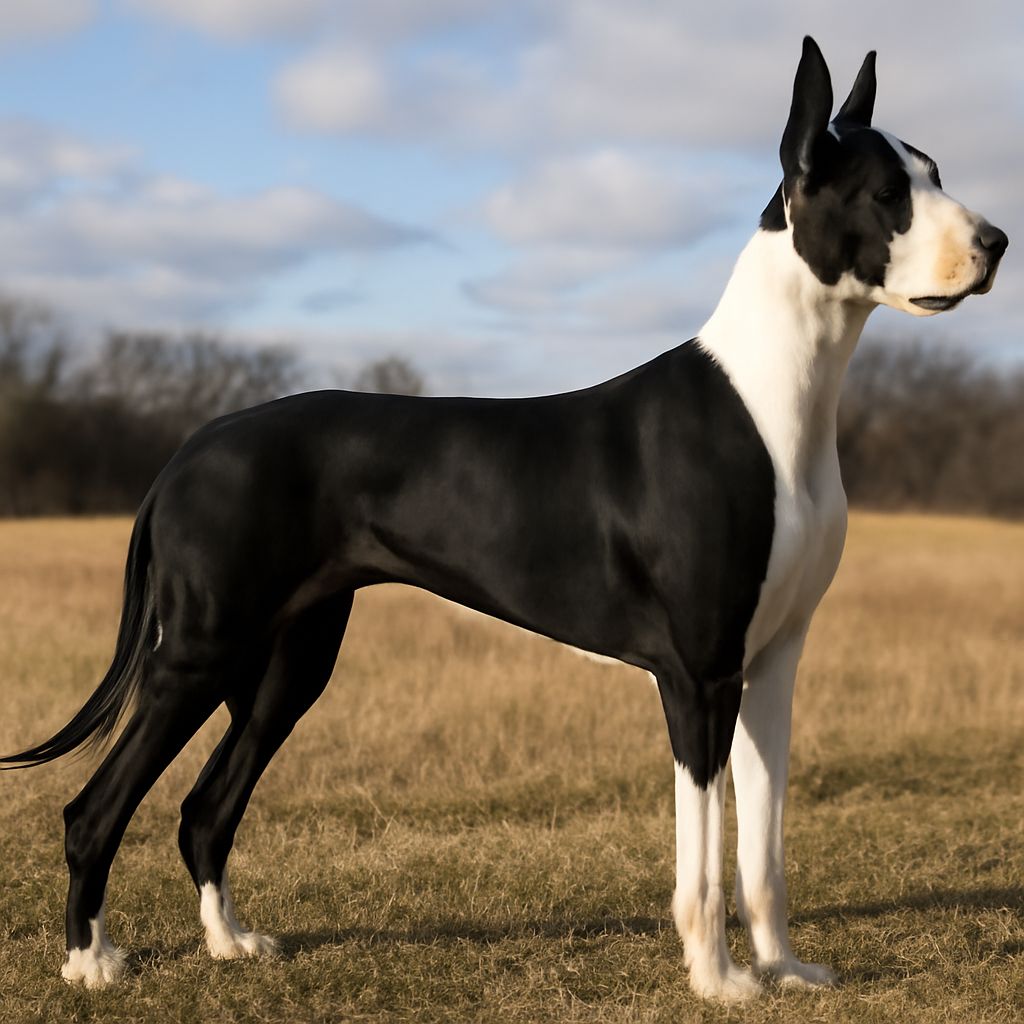
Short spine dogs, often characterized by their distinctive and unusual physical appearance, have a condition known as short spine syndrome. This rare genetic anomaly affects the vertebrae, severely altering their stature. Unlike typical dogs, their spines are significantly compressed, leading to a more compact body structure. This condition not only affects their appearance but can also influence their mobility and overall comfort.
Understanding the intricacies of dog spine anatomy is vital for caregivers. While their unique build might make them seem more challenging to care for, with the right knowledge and guidance, owners can ensure these dogs lead fulfilling lives.
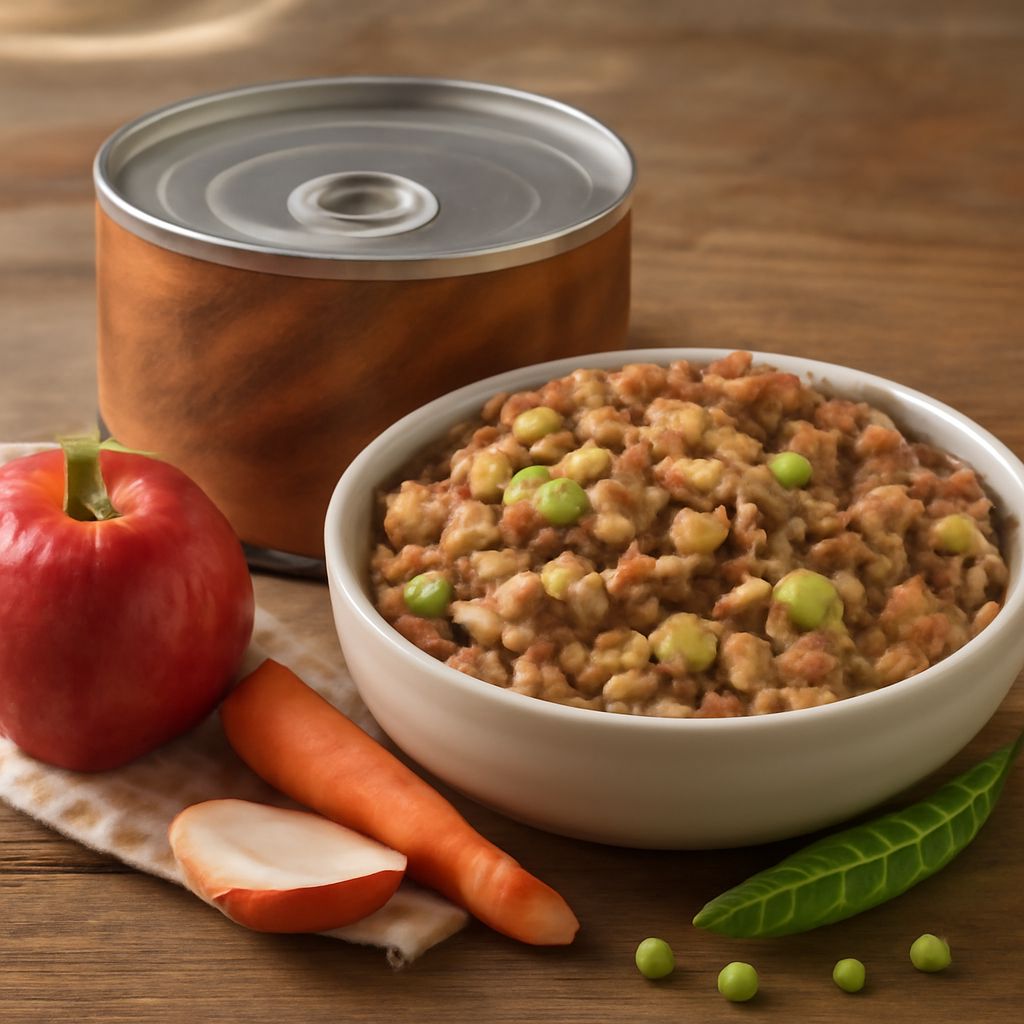
How to Properly Nourish Dog Food for Short Spine Dogs
Providing the right nutrition is essential for all dogs, but particularly so for those with specific anatomical challenges. When nourishing dogs with unusual spine structures, choosing a balanced diet that supports joint health and maintains an ideal weight is crucial. Overweight dogs may experience additional strain, exacerbating mobility issues.
Enrich dog food with ingredients tailored to support bone and joint health, like glucosamine and chondroitin. Additionally, carefully monitor their caloric intake to avoid excessive weight gain. Consult with a veterinary nutritionist to create a feeding regime that meets their unique needs.
Avoid feeding habits that could lead to obesity, and instead focus on portion control and nutritional enrichment. Feeding smaller, more frequent meals can help manage weight and energy levels effectively.
What Are the Health Concerns Like Gingival Hyperplasia in Dogs?
Health issues such as gingival hyperplasia in dogs can arise from various factors, including breed predispositions and oral hygiene. This condition, characterized by the overgrowth of gum tissue, can lead to discomfort and dental complications if not addressed.
Regular dental check-ups are imperative for early detection and management of oral health concerns. Maintaining proper dental hygiene through brushing and professional cleanings can help prevent or mitigate this condition. If gingival hyperplasia is suspected, owners should consult with a veterinarian for tailored advice and potential treatments.
In addition to oral health, short spine dogs may encounter other health challenges due to their unique anatomy. Regular veterinary assessments are crucial for monitoring their overall health and addressing any issues promptly.
Understanding the needs of unique pets, whether it’s a short spine dog or a short tailed opossum pet, requires dedication and informed care. With the right approach, owners can ensure their pets thrive, regardless of their special needs.