What Do Flea Eggs Look Like on a Dog? A Comprehensive Guide
Myths and misconceptions abound when it comes to understanding what flea eggs look like on a dog. Many assume that these tiny parasites are easy to spot with the naked eye, but the reality is quite different. In the battle against dog parasites, it is crucial to accurately identify flea eggs and know how to get rid of pet dander to ensure a healthy environment for your furry friend.
Moreover, maintaining your dog’s coat free of irritants like burrs and effectively dealing with worms that resemble grains of rice are essential steps in comprehensive pet care. This guide will explore these topics to help you better manage your dog’s health and well-being.
How Can You Identify Flea Eggs on Your Dog?
Characteristics of Flea Eggs
Flea eggs are tiny, almost microscopic, and they often appear oval-shaped and white or translucent. They are not sticky and can easily roll off your dog’s fur onto bedding and carpets. Recognizing these eggs involves closely inspecting your dog’s skin and coat, particularly in areas less exposed to light.
Where to Look for Flea Eggs on Your Dog
To find flea eggs on your dog, examine areas like the belly, groin, and armpits, where the skin is thinnest. Use a fine-toothed comb to gently part the fur, allowing you to see any minute eggs or adult fleas hiding in your pet’s coat.
How to Get Rid of Pet Dander Effectively
Reducing pet dander can be achieved through regular grooming and maintaining a clean living space. Bathe your dog with hypoallergenic shampoos and use air purifiers to decrease airborne dander in your home. Regular washing of your dog’s bedding and vacuuming carpets and upholstery also play pivotal roles in minimizing dander accumulation.
What Are the Best Ways to Remove Burrs from Dog Hair?
Tools and Techniques for Burr Removal
Removing burrs from your dog’s coat requires patience and the right tools. Use a detangling spray to ease the process, and carefully work with a wide-tooth comb, starting from the ends of the fur. For stubborn burrs, gently cut them out, being cautious not to injure your dog.
Preventing Burrs in the Future
To prevent burrs from becoming an issue, regularly trim your dog’s coat, especially if they enjoy exploring bushy areas. Additionally, consider using a protective vest during hikes or walks in areas known for burr-producing plants.
How Do You Encourage Your Dog to Listen?
Training Techniques
Effective dog training involves positive reinforcement techniques. Reward your dog with treats and praise for good behavior, reinforcing their willingness to follow commands. Consistent practice and repetition are key to successful training.
Consistency and Patience
Consistency is crucial in dog training. Ensure that all family members use the same commands and reward system to avoid confusing your pet. Patience is equally important, as learning new behaviors can take time, and each dog progresses at its own pace.
How to Get Rid of Dog Worms That Look Like Rice
Identifying Dog Worms
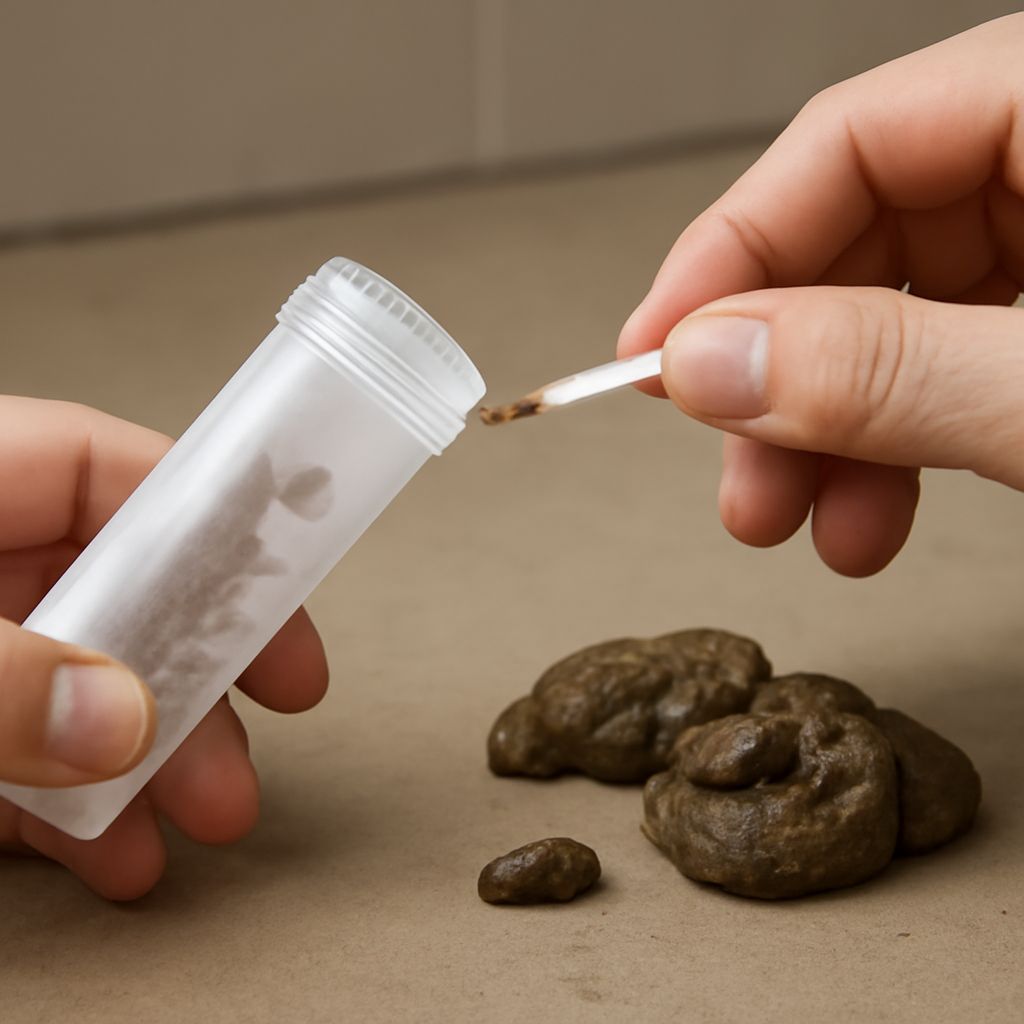
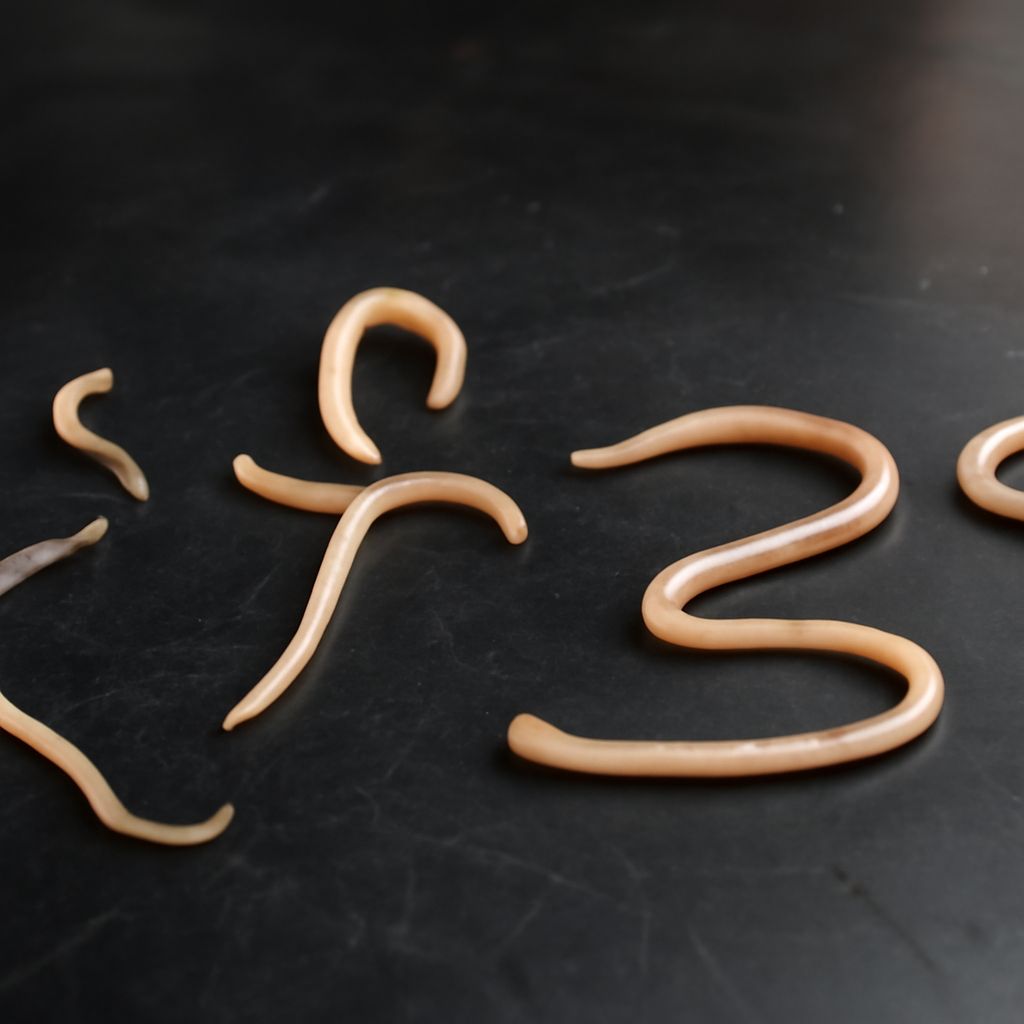
Dog worms resembling rice grains are typically tapeworm segments. These segments can be found near the dog’s anus or in their feces. Regularly check your dog’s rear end and stool for any signs of these parasites.
Effective Treatments for Worms
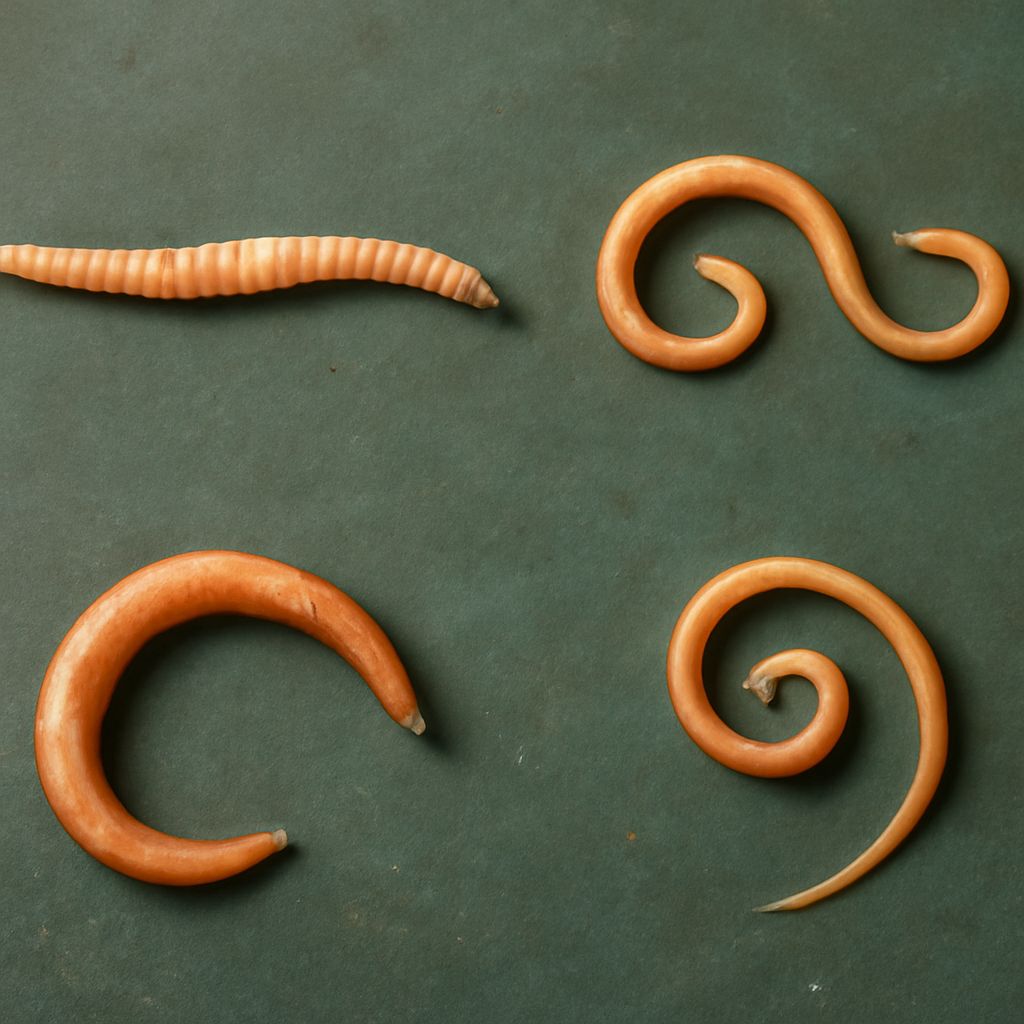
Treating dog worms involves administering appropriate anthelmintic medications. Consult a veterinarian to determine the best course of treatment based on your dog’s specific needs. Regular deworming, combined with maintaining a clean environment, helps prevent future infestations.