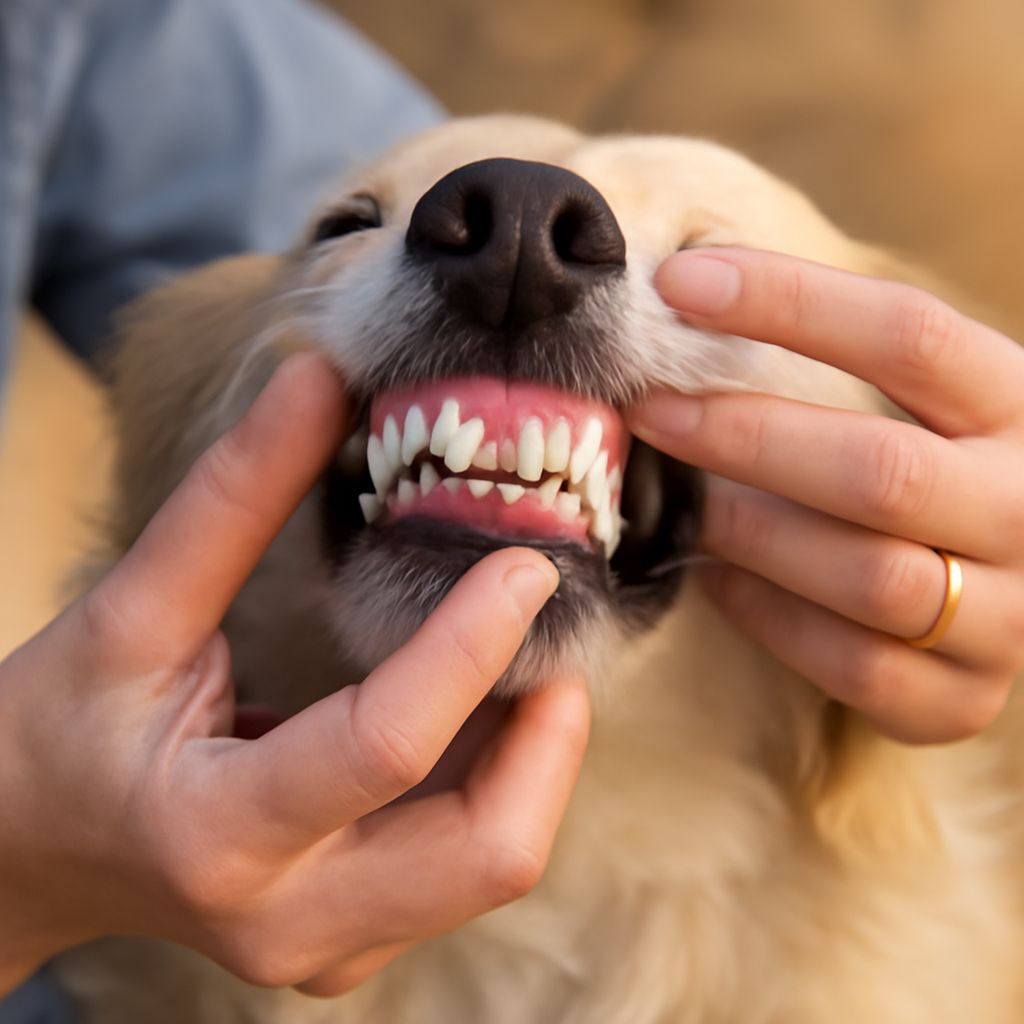
How to Brush Dog Teeth: A Complete Guide
Many dog owners often wonder, “How often to brush dog teeth?” There’s a common myth that canine dental care is an optional luxury when, in fact, it’s essential for their health. Brushing dog teeth properly can prevent numerous health issues and save you from costly vet visits. Let’s debunk the misconceptions and explore the straightforward facts: understanding canine dental health is vital, and keeping your dog’s smile bright enhances their overall well-being.
Why Is Brushing Dog Teeth Important?
Understanding Canine Dental Health
Just like humans, dogs require regular dental care. Properly brushing a dog’s teeth helps to remove plaque and prevent tartar buildup. Plaque can harden into tartar, leading to gum disease and other dental problems. Ensuring clean teeth is crucial for maintaining your dog’s health, as oral bacteria can enter the bloodstream and affect vital organs.
Common Dental Issues in Dogs
Common dental issues in dogs include periodontal disease, bad breath, and even tooth loss. These conditions can cause significant pain and discomfort. Regularly cleaning your canine companion’s teeth can help prevent these problems, ensuring they remain healthy and happy.
How to Brush Dog Teeth Effectively
Choosing the Right Toothbrush and Toothpaste
Using the correct tools is essential. Select a toothbrush specifically designed for dogs, with soft bristles that are gentle on their gums. Dog-specific toothpaste, often flavored to appeal to pets, is non-toxic and safe to swallow. Human toothpaste should never be used, as it can be harmful to dogs.
Step-by-Step Guide to Brush Dog Teeth
First, ensure your dog is comfortable. Gently lift your dog’s lip to expose their teeth. Using small, circular motions, brush each tooth, focusing on the gum line. Begin slowly, gradually increasing the duration of brushing as your dog becomes accustomed to the routine. Positive reinforcement with praise or treats can make the process more enjoyable for both you and your pet.
How Often to Brush Dog Teeth for Best Results
Recommended Brushing Frequency
Ideally, brushing your dog’s teeth daily is recommended for optimal dental health. However, brushing several times a week can still be beneficial if daily brushing isn’t feasible. Regularity is key to preventing plaque buildup and maintaining a healthy mouth.
Signs You Need to Brush More Frequently
Watch for signs that your dog might need more frequent brushing: persistent bad breath, yellowing teeth, or swollen, bleeding gums are indicators that more regular dental care might be needed. If you notice these symptoms, consider increasing the frequency of brushing and consult a veterinarian for further advice.
Tips and Tricks for Brushing Dog Teeth
Making the Process Enjoyable for Your Dog
Creating a positive experience is crucial. Introduce tooth brushing gradually, allowing your dog to sniff and taste the toothpaste first. Use verbal praise and rewards to build a positive association with the process. Patience and consistency will help your dog become comfortable with regular brushing.
Alternatives and Supplements for Brushing
If traditional brushing proves challenging, other options can support your dog’s dental health. Dental chews, toys, and water additives can help reduce plaque and freshen breath. However, these should be used as supplements to regular brushing, not replacements. For severe dental issues, always consult a licensed stylist or veterinarian to assess the situation accurately.