How to Stop Dog Shedding Home Remedy: Practical Techniques That Work
Searching for how to stop dog shedding home remedy solutions is understandable — loose fur on every surface is exhausting. The important caveat is that shedding cannot be stopped entirely. It is a normal biological process, and any product or remedy claiming to eliminate it completely is misleading. The realistic goal is to learn how to reduce dog shedding to manageable levels.
When the goal is to reduce dog shedding, the most effective approaches combine consistent grooming, nutritional support, and environmental management. If my dog sheds too much, that phrasing is often relative — but significant changes in shedding volume can signal nutritional gaps, stress, or underlying health issues. Knowing how to keep dog from shedding excessively requires understanding what’s driving it in the first place.
Why Dogs Shed and What Drives Excessive Shedding
All dogs shed to some degree. Double-coated breeds like Labrador Retrievers and Huskies undergo dramatic seasonal shed cycles — called coat blowing — in spring and fall when the undercoat releases in large quantities. Single-coated breeds shed more steadily throughout the year but in smaller volumes.
Abnormal shedding — meaning more than usual for that dog — often points to poor nutrition, dehydration, hormonal imbalances, parasites, or chronic stress. Dogs consuming low-fat diets or foods lacking omega fatty acids exhibit dull, brittle coats that shed more than healthy coats. Identifying whether the shedding is normal for that breed and season, or genuinely elevated, guides the right intervention.
Home Remedies and Grooming Techniques to Reduce Shedding
Diet and Hydration Adjustments
Omega-3 and omega-6 fatty acids are the most evidence-supported dietary supplements for improving coat quality and reducing excess shedding in dogs. Fish oil (salmon or sardine-based) added to meals at weight-appropriate doses supports skin barrier integrity and reduces the number of dead hairs released. Results typically become visible after four to six weeks of consistent supplementation.
Dehydration directly affects coat health. Dogs that don’t drink enough water produce dry, fragile hair shafts that break and detach more readily. Ensuring constant access to fresh water and, for picky drinkers, using a water fountain or adding moisture-rich foods to meals can meaningfully reduce shedding related to dryness.
Brushing Routines and De-shedding Tools
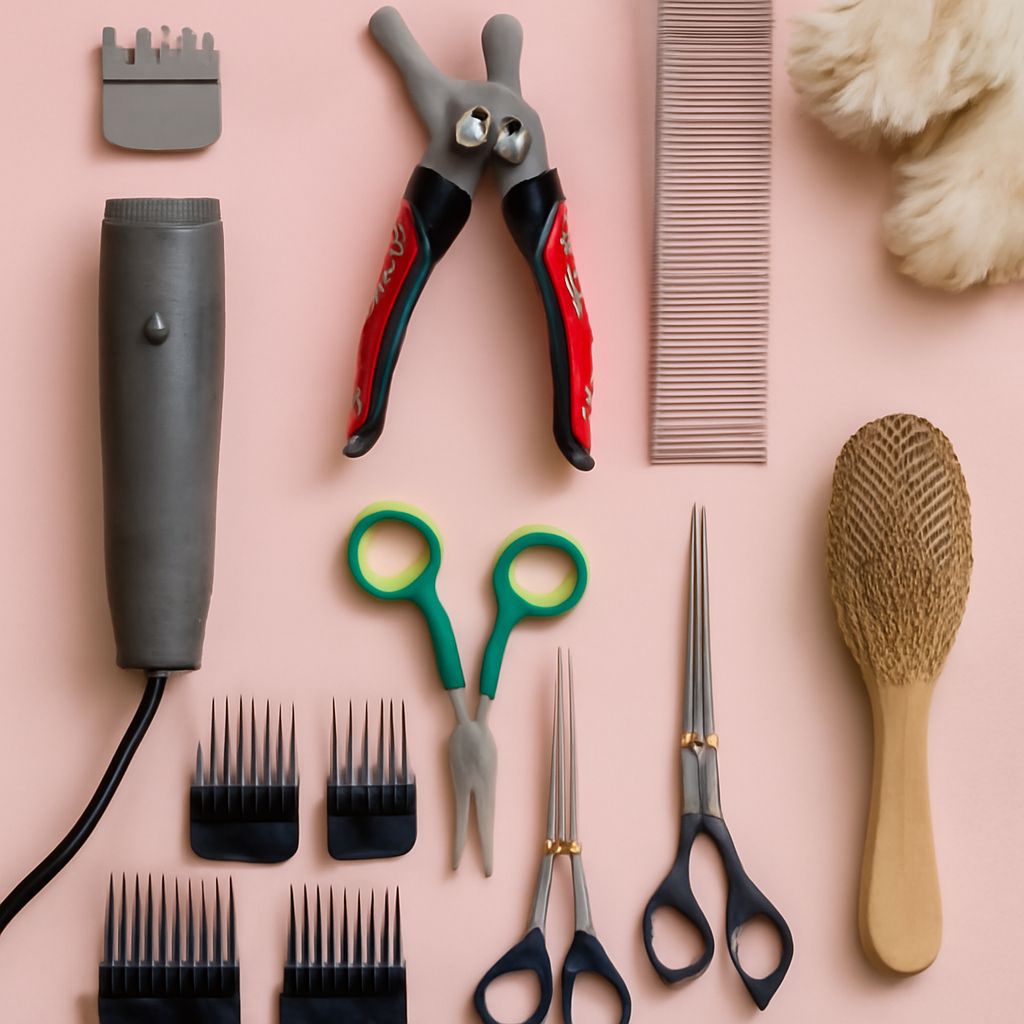
Regular brushing is the single most impactful home remedy for managing loose fur. For heavy-shedding breeds, daily brushing during seasonal transitions and two to three sessions per week during stable months removes dead coat before it falls around the home. Undercoat rakes, slicker brushes, and de-shedding tools penetrate the topcoat and extract loose undercoat efficiently.
Bathing followed by thorough blow-drying and brushing releases more dead coat in one session than weeks of dry brushing. A de-shedding bath every four to six weeks, using a shampoo with moisturizing and loosening agents, significantly reduces ambient fur accumulation.
Environmental and Seasonal Factors
Indoor heating and air conditioning alter the natural daylight and temperature cues that regulate seasonal shedding. Dogs kept in climate-controlled environments sometimes shed year-round at a moderate level rather than in concentrated spring and fall bursts. This continuous low-level shedding is not harmful but does require consistent grooming maintenance.
Stress increases cortisol levels, which can trigger diffuse hair loss in dogs. Environmental stressors — loud noises, household changes, new pets — sometimes manifest as increased coat release. Addressing the stressor while maintaining grooming routines helps restore normal shedding patterns.
When to See a Veterinarian About Shedding
If dietary and grooming adjustments don’t reduce shedding within six weeks, or if hair loss is patchy, accompanied by skin irritation, or appears suddenly without seasonal explanation, a veterinarian should evaluate thyroid function, hormonal levels, and skin health. Conditions like hypothyroidism, Cushing’s disease, and ringworm cause shedding patterns that no home remedy will correct. Professional diagnosis prevents owners from addressing symptoms while missing the underlying cause.