Dog Dry Mouth and Respiratory Symptoms: What Owners Need to Know
Owners often overlook dog dry mouth as a minor quirk, but reduced salivation can point to dehydration, dental disease, or systemic illness. Similarly, dog coughing and sneezing is frequently dismissed as seasonal allergies when the actual cause may require veterinary attention.
A dog dry hacking cough has a distinct sound — dry, repetitive, and often worse at night or after exertion. It differs from kennel cough primarily by context and associated symptoms. Knowing whether can you freeze dry dog food to support a sick dog’s appetite, or recognizing when dog coughing up blood and mucus demands immediate emergency care, can make a significant difference in outcomes.
Understanding Dog Dry Mouth and Its Causes
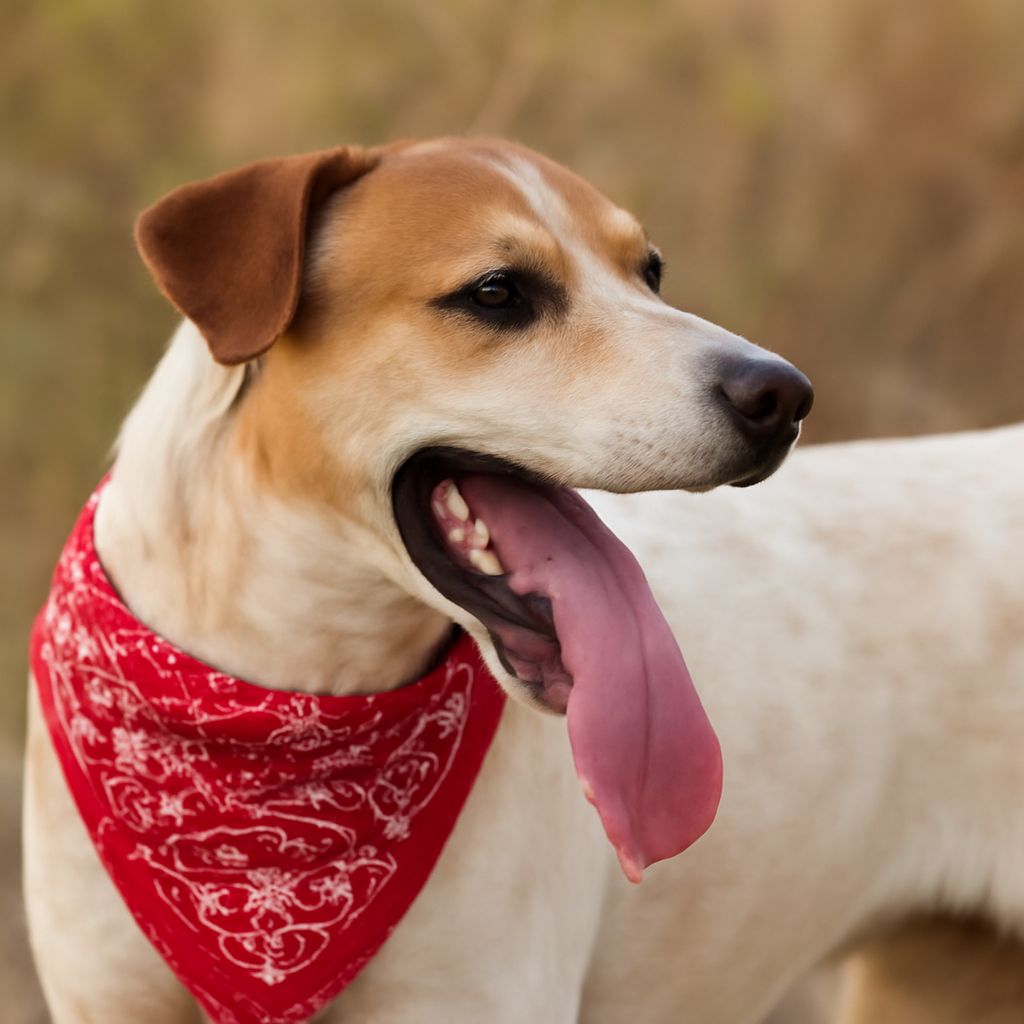
Saliva plays a critical role in digestion and oral health. When salivary output drops, dogs may develop sticky gums, bad breath, difficulty swallowing, and increased thirst. Dehydration is the most common cause, but certain medications, nerve damage, and autoimmune conditions can also suppress salivary gland function.
When Is Reduced Saliva a Warning Sign?
Dry oral mucous membranes combined with lethargy, sunken eyes, or skin tenting indicate moderate-to-severe dehydration requiring prompt veterinary fluid support. Chronically dry oral tissue in an otherwise well-hydrated dog warrants investigation for Sjogren’s-like conditions or medication side effects. Do not attempt home correction without consulting a veterinarian first.
Respiratory Symptoms: Coughing and Sneezing in Dogs
Not all respiratory irritation is equal. Occasional sneezing from nasal stimulation is normal. Persistent sneezing paired with nasal discharge, eye weeping, or lethargy suggests infection, foreign body, or nasal tumor.
Dry Hacking Cough vs. Productive Cough
A dry, non-productive cough differs from a moist, gurgling cough that brings up phlegm. The dry variant is commonly associated with tracheal irritation, kennel cough (Bordetella), or early heart disease. A productive cough may indicate pneumonia or fluid accumulation. Dogs that exhibit frequent bouts of harsh, non-productive coughing following boarding or park visits should be evaluated for infectious tracheobronchitis.
When Bloody or Mucus-Tinged Discharge Appears
A dog bringing up blood-streaked mucus is never a minor symptom. This presentation can reflect lung trauma, clotting disorders, severe infection, or cancer. Any episode of coughing that produces bright red blood or dark brown mucus requires emergency veterinary evaluation — do not wait to see if it resolves on its own.
Nutrition and Hydration for Sick Dogs
Sick dogs often refuse food, which complicates recovery. Freeze-drying preserves nutritional integrity without requiring refrigeration, and yes, you can freeze dry dog food at home using specialized equipment, though commercial freeze-dried products are more consistent. Rehydrating freeze-dried food before serving increases moisture intake, which benefits dogs with oral dryness or dehydration.
Warm, aromatic foods encourage reluctant eaters. Bone broth (low sodium, no onion or garlic) added to kibble or moistened food stimulates appetite without stressing a compromised digestive system. Dogs recovering from respiratory illness benefit from increased hydration, as mucus clearance depends on adequate systemic fluid.
Bottom line: Dry mouth and respiratory symptoms in dogs range from benign to life-threatening — accurate interpretation requires observation of duration, severity, and accompanying signs. A persistent dry hacking cough or any episode involving bloody mucus demands veterinary assessment without delay. Nutritional support and hydration management play a supporting but meaningful role in recovery.