XL Dog Kennel Guide: Sizing, Setup, and Indoor Use for Large Dogs
Many owners assume a standard crate will do for any dog, but that assumption often leads to stress and discomfort. A true xl dog kennel is built for breeds that need room to stand, turn, and lie down without constraint. If your dog seems restless or anxious in their current enclosure, the enclosure is likely too small.
An xlarge dog crate isn’t just a bigger box — it changes how your dog perceives their space. Providing a proper indoor dog cage reduces pacing, destructive behavior, and sleep disruption. For households managing large dogs, investing in dog kennels indoor solutions is one of the most practical decisions an owner can make. A well-chosen large indoor dog kennel becomes a retreat rather than a confinement.
Why Crate Size Matters for Large Dogs
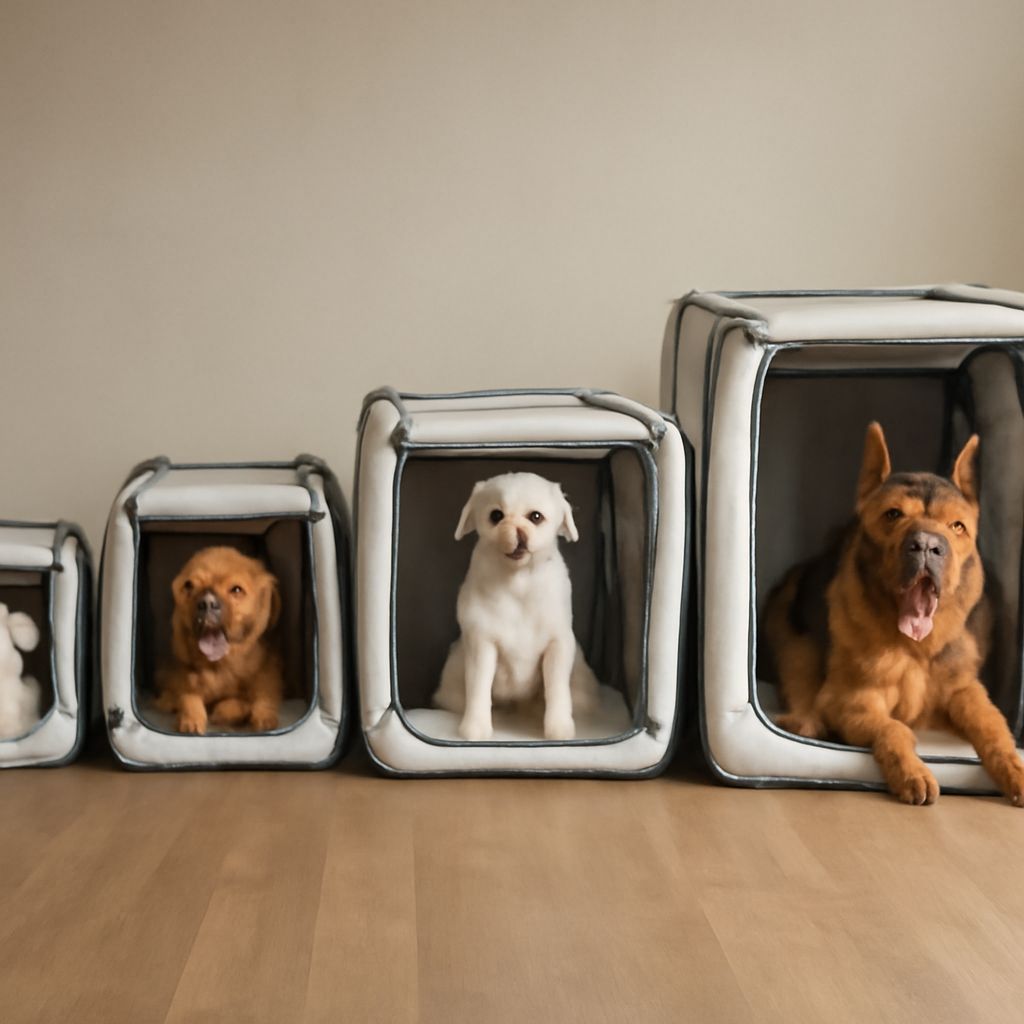
A crate that’s too short or narrow forces a dog into unnatural postures, which leads to joint stress over time. Dogs weighing over 70 pounds typically require enclosures measuring at least 42 to 48 inches in length. Oversized breeds like Great Danes or Saint Bernards may need 54-inch options.
Sizing isn’t just about length. A roomy kennel for indoors should allow the dog to stand at full height without ducking and to pivot comfortably. Width matters too — broad-chested breeds like Rottweilers or Mastiffs need extra lateral room. Matching the crate to the dog’s adult measurements prevents the need to replace equipment as the dog matures.
Choosing the Right Indoor Kennel Setup
Wire kennels designed for indoor use provide maximum airflow and visibility, making them well-suited for social dogs that prefer to observe household activity. Heavy-gauge wire frames resist bending and are easier to clean than fabric alternatives.
Furniture-style enclosures blend into living spaces while functioning as a secure resting area. These wooden or composite units are ideal when visual integration matters. For owners who move the kennel between rooms, a collapsible heavy-duty wire model strikes the best balance between stability and convenience.
Placement inside the home affects how readily a dog accepts the space. Position large indoor crate options away from high-traffic corridors but within sight of common areas so the dog doesn’t feel isolated. Adding a familiar blanket or a worn garment inside accelerates acceptance.
Using Your Indoor Dog Kennel Effectively
Crate training large dogs requires patience and positive reinforcement. Begin with short voluntary sessions where the dog enters on their own, rewarded with treats or praise. Gradually increase time inside as the dog relaxes.
Never use the kennel as punishment. Dogs that associate their enclosure with discipline will resist entering willingly, defeating the purpose entirely. An interior space should remain a calm, safe zone where the dog chooses to rest.
Routine matters. Feeding meals near or inside a spacious indoor canine enclosure builds a positive association faster than treat-based training alone. Dogs adapt more readily when their schedule is predictable.
Key takeaways: An xl dog kennel provides essential space for large and giant breeds to rest comfortably and safely. Selecting a properly sized indoor dog enclosure reduces behavioral issues and supports long-term joint health. Consistent, positive crate training makes the kennel a welcome part of the dog’s daily routine.