Pet House Choices That Keep Dogs Healthy: From Heated Shelters to Backyard Safety
Pet house options range from simple plastic shelters to custom-built wooden structures, and the difference matters more than most owners realize. A heated pet house is often dismissed as a luxury, but for small breeds or dogs in cold climates, adequate warmth is a genuine health need. Rabbits as house pets bring their own shelter requirements inside the home, though the concerns differ significantly from those of outdoor dogs. Dog house plans with porch designs add covered outdoor space that many large breeds actually use. What is less discussed but critically important is the dangers of dog poop in house environments, whether that poop sits near a shelter entrance or accumulates in an enclosed space.
Selecting the Right Outdoor Shelter for Your Dog
Size, Insulation, and Weather Protection
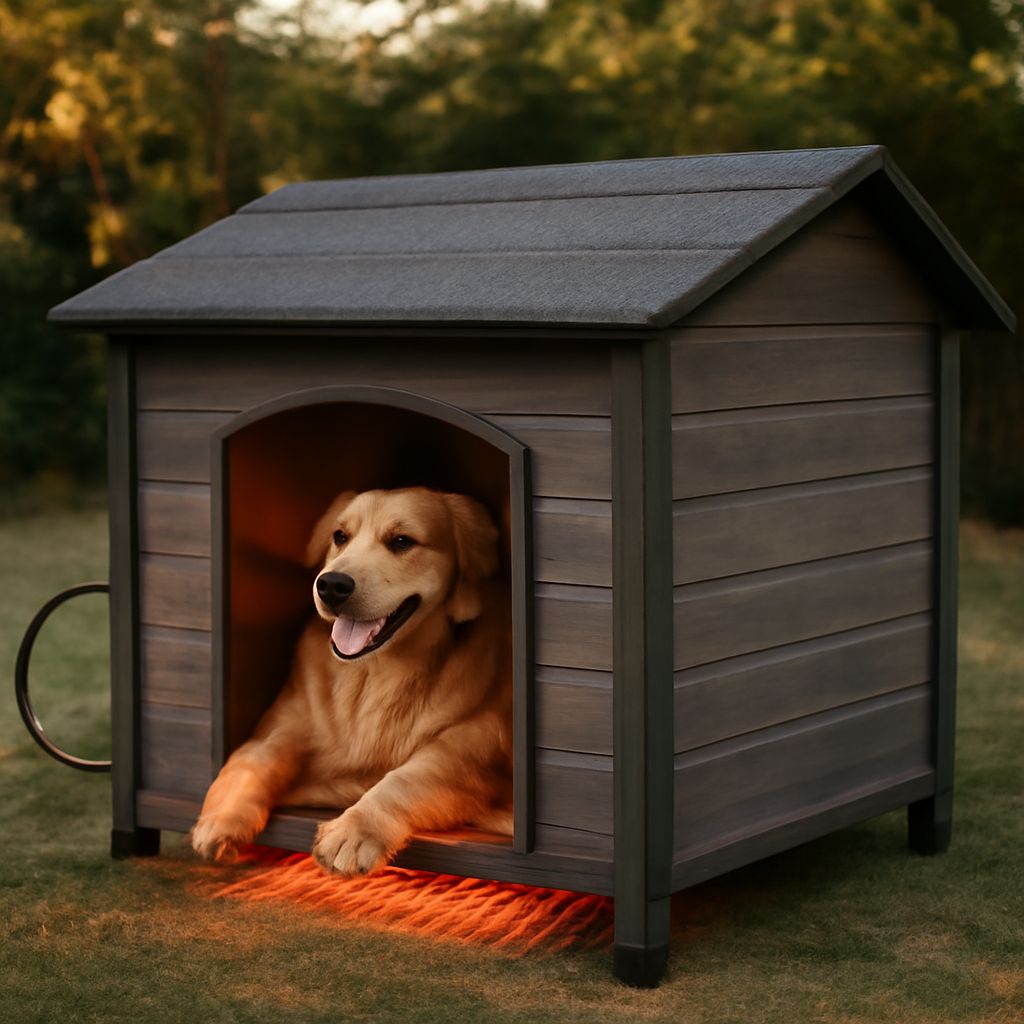
An outdoor dog shelter should be large enough for your dog to stand, turn, and lie down, but not so large that the dog’s body heat cannot warm the interior. Oversized structures lose heat fast. Insulation matters: foam panels or straw bedding inside the floor and walls make a real difference in cold months. A raised floor keeps moisture from seeping in and reduces drafts. For dogs in regions with freezing winters, a self-heating pad or electric warming unit designed for pets can prevent hypothermia in small or short-coated breeds.
Porch Designs and Shade Structures
A covered porch attached to a dog shelter provides shade in summer and a dry transition zone in rain. Dogs that spend time partly outdoors benefit from this buffer. Some owners build lean-to covers using basic lumber and corrugated roofing. Commercially available kennel runs often include roof panels that serve the same purpose. Assess sun exposure at your property before building so the porch shading actually works during peak heat hours.
Indoor Hazards: Dog Waste and Digestive Health
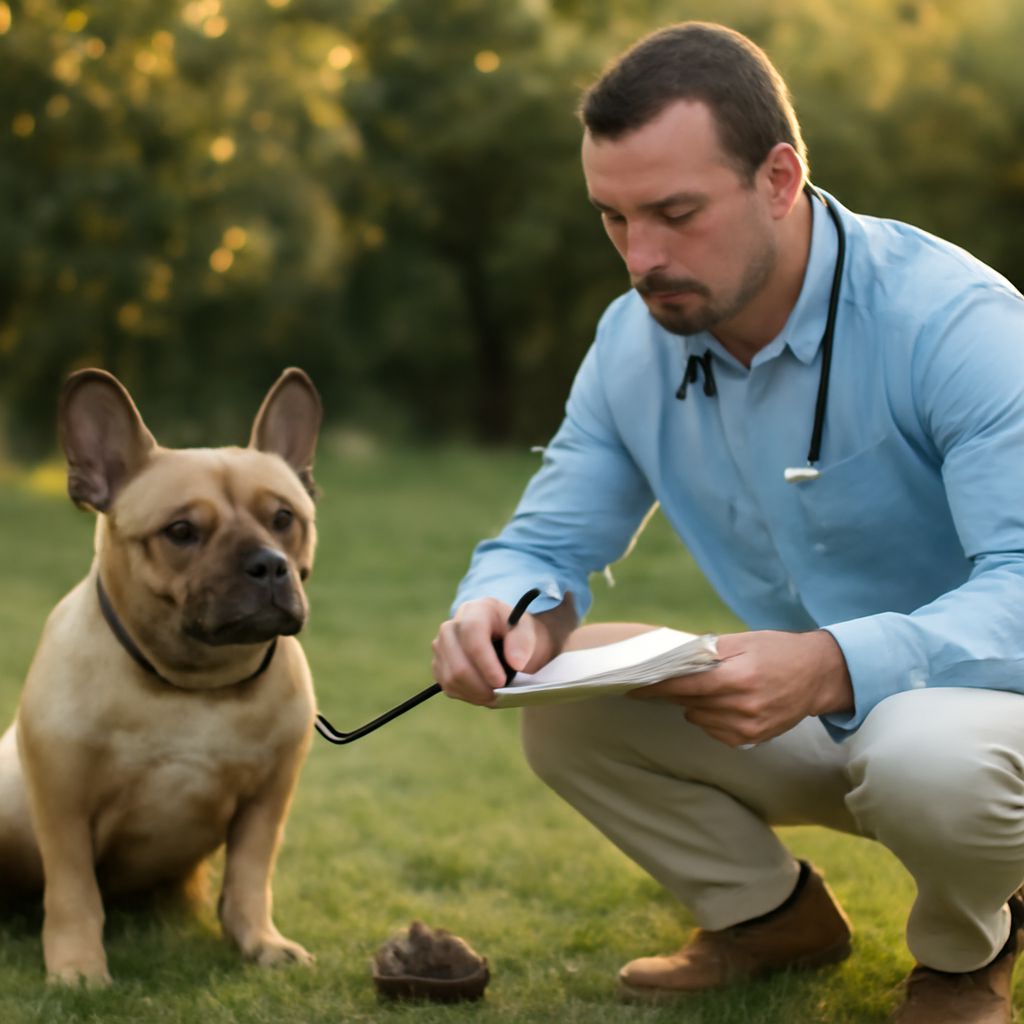
Dog feces inside a home or near a pet’s sleeping area carries real health risks. The bacteria and parasites in fresh feces, including E. coli, Salmonella, Campylobacter, and parasitic eggs, can contaminate surfaces and spread to humans. Dogs that return to a soiled shelter space may re-ingest parasites, perpetuating a cycle of infection. Cleaning the area thoroughly with an enzyme-based cleaner eliminates the organic material that standard soap leaves behind. Any dog showing signs of gastrointestinal distress, blood in stool, or repeated vomiting needs a vet exam, not just a cleaner shelter.
Keeping Indoor and Outdoor Pet Spaces Clean
Establish a daily cleaning routine for any area where your dog sleeps or eats. Remove waste immediately, wash food and water bowls daily, and replace bedding when it smells or looks soiled. For multi-pet homes, separate feeding areas reduce competition and keep waste more contained. If you also keep rabbits indoors, note that rabbit droppings are less hazardous than dog feces but still need daily removal from litter trays to prevent ammonia buildup.
Key takeaways: A well-insulated and correctly sized shelter is a health decision, not just a comfort one. Clean up dog waste promptly to protect both your dog’s digestive health and your household from bacterial contamination. For any persistent digestive symptoms or unusual stool changes, consult a veterinarian rather than managing the issue at home alone.