Outdoor Dog Kennel Guide: Choosing the Right Run, Size, and Setup for Your Dog
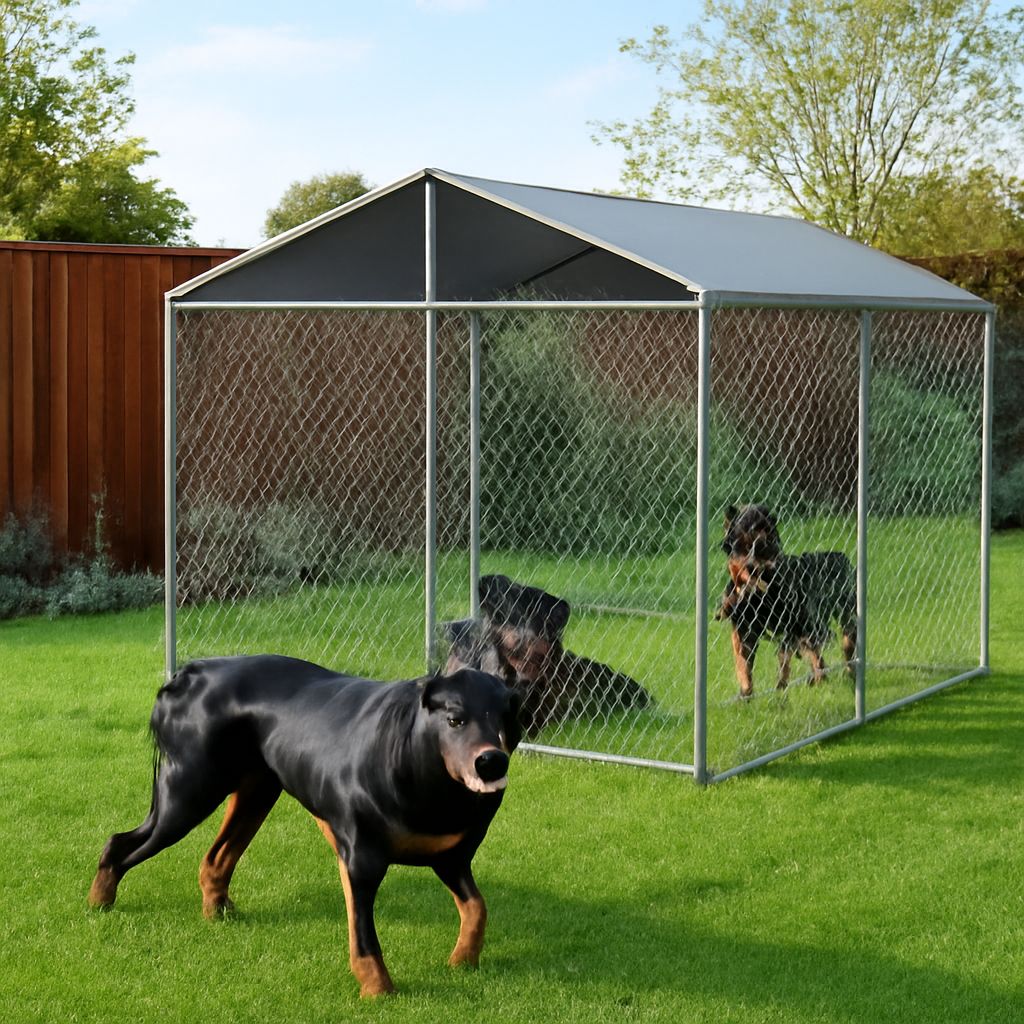
An outdoor dog kennel is often viewed as a containment solution of last resort, but many responsible owners use them as a safe, structured space that benefits the dog. Outdoor dog runs give animals room to move, access to fresh air, and a defined area that prevents roaming without constant supervision. Outside dog kennels for sale vary widely in quality, and cheap outdoor dog kennels often fail within a season due to poor welding, thin gauge wire, or inadequate ground anchoring. Large dog kennels for outside need specific sizing, anchoring, and weather protection that smaller units do not require. The assumption that any kennel will suit any dog is the source of most buyer regret in this category.
Sizing and Structure Basics
How to Measure for the Right Kennel
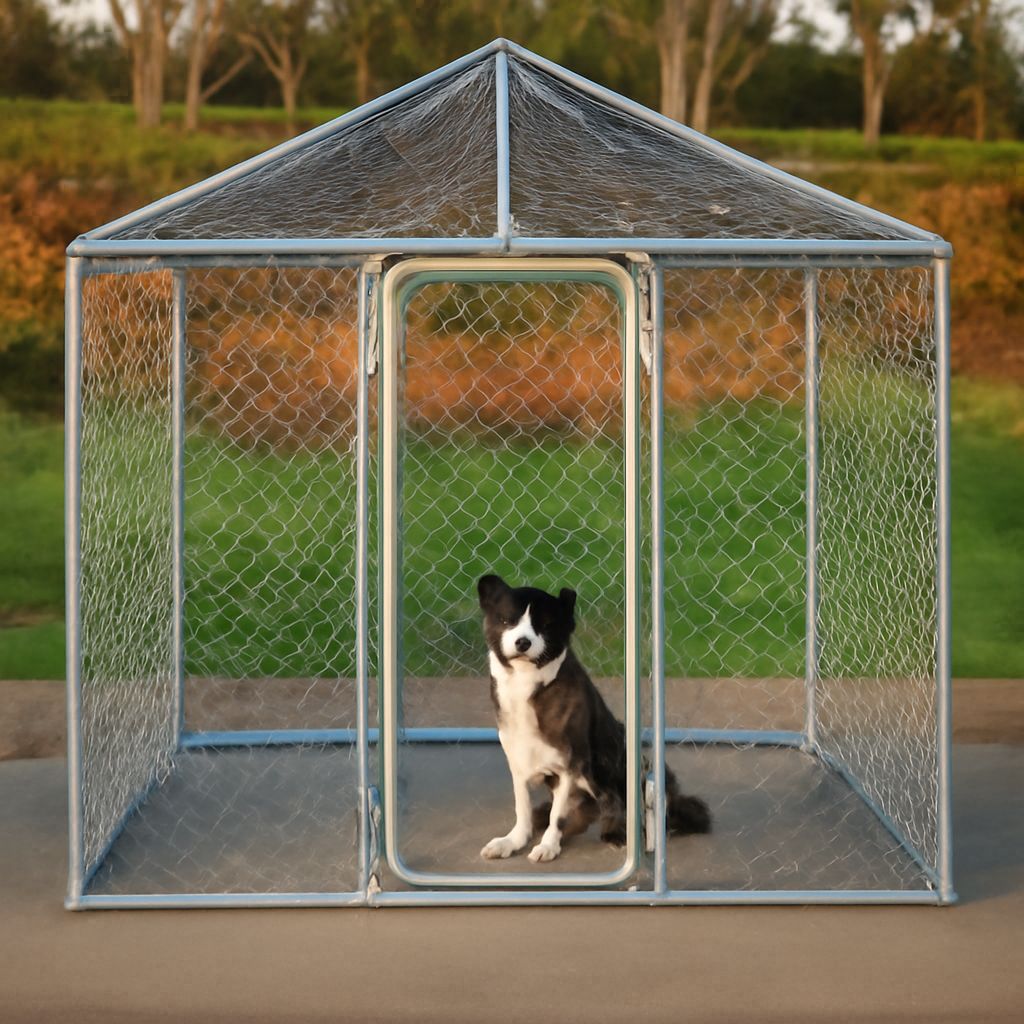
A kennel should allow your dog to stand at full height, turn in a complete circle, lie stretched out, and walk at least three to four steps in each direction. For a large breed, that minimum footprint is typically ten feet by ten feet. Dogs that spend extended periods in a kennel, more than two to three hours at a stretch, need more space. Height matters too: a dog that can jump four feet at a full run needs a kennel roof panel or a six-foot wall minimum.
Evaluating Build Quality
Galvanized steel panels with welded joints outlast bolted-together systems under consistent pressure from a large or active dog. Check the gauge of the wire or tubing: heavier gauge means higher resistance to bending and chewing. Look at how corner panels connect. Weak corner joints are the first point of failure in most budget kennels. Heavy-duty galvanized runs designed for working dogs or hunting breeds are worth the higher initial investment if your dog is powerful or persistent.
Weatherproofing and Comfort
Shelter Within the Kennel
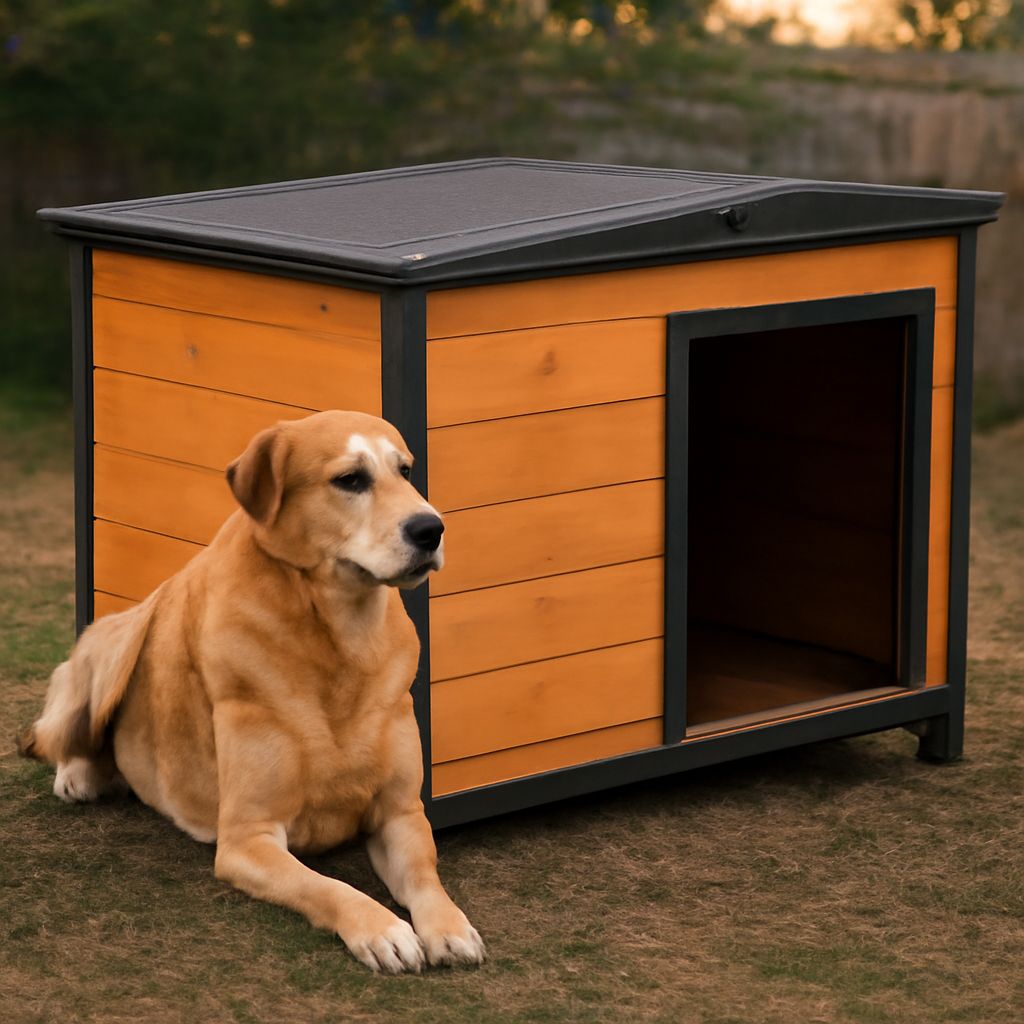
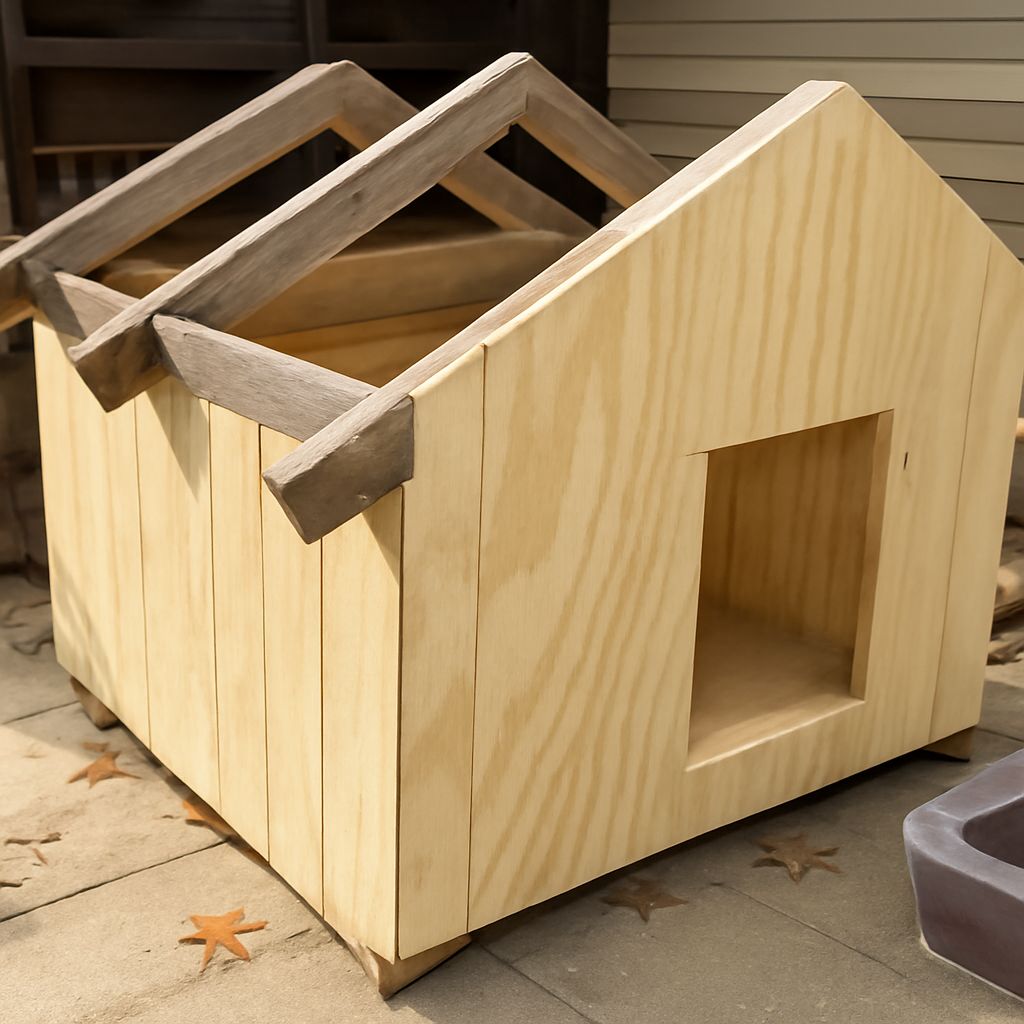
A kennel without a covered area is not suitable for dogs left outside in rain, direct summer sun, or cold weather. Add a roof panel that covers at least half the kennel footprint. A small insulated doghouse inside the kennel provides a retreat in cold months. In hot climates, shade cloth over the roof keeps surface temperatures down significantly compared to metal alone.
Flooring and Drainage
Bare dirt becomes a mud pit in wet weather and a flea habitat in warm months. Poured concrete is easy to clean but requires a drainage slope and can cause joint stress in older dogs without a mat or bedding layer. Compacted gravel drains well and stays cleaner than dirt. Interlocking rubber mats over concrete give traction and cushion without trapping waste.
Bottom line: Invest in a correctly sized, well-built kennel from the start rather than replacing cheaper options that fail. Add weatherproofing and appropriate flooring to make the space suitable year-round. If your dog shows significant distress in a kennel despite adequate size and setup, consult a veterinary behaviorist to address the underlying cause.