Dog Washing Station: Everything You Need to Know Before Bath Time
Many owners assume that dog baths need to happen in the home tub — awkward kneeling, a soaked floor, and a wet dog bolting through the house. A purpose-built dog washing station changes that entirely. These dedicated spaces provide the right height, drainage, and restraint options that make the process faster and far less stressful for both you and your pet. Using a dog washer, whether at home or at a self serve pet spa, is not a luxury add-on. It is a practical setup that produces better results with less effort. The ability to wash your dog thoroughly from a standing position alone reduces back strain significantly.
Types of Dog Washing Stations Available
Washing setups range from simple tub inserts to full professional-grade stainless steel basins. The right choice depends on your space, your dog’s size, and how often you bathe them.
- Freestanding tubs — available in plastic or stainless steel, these sit at counter height and include built-in restraint posts and drain connections
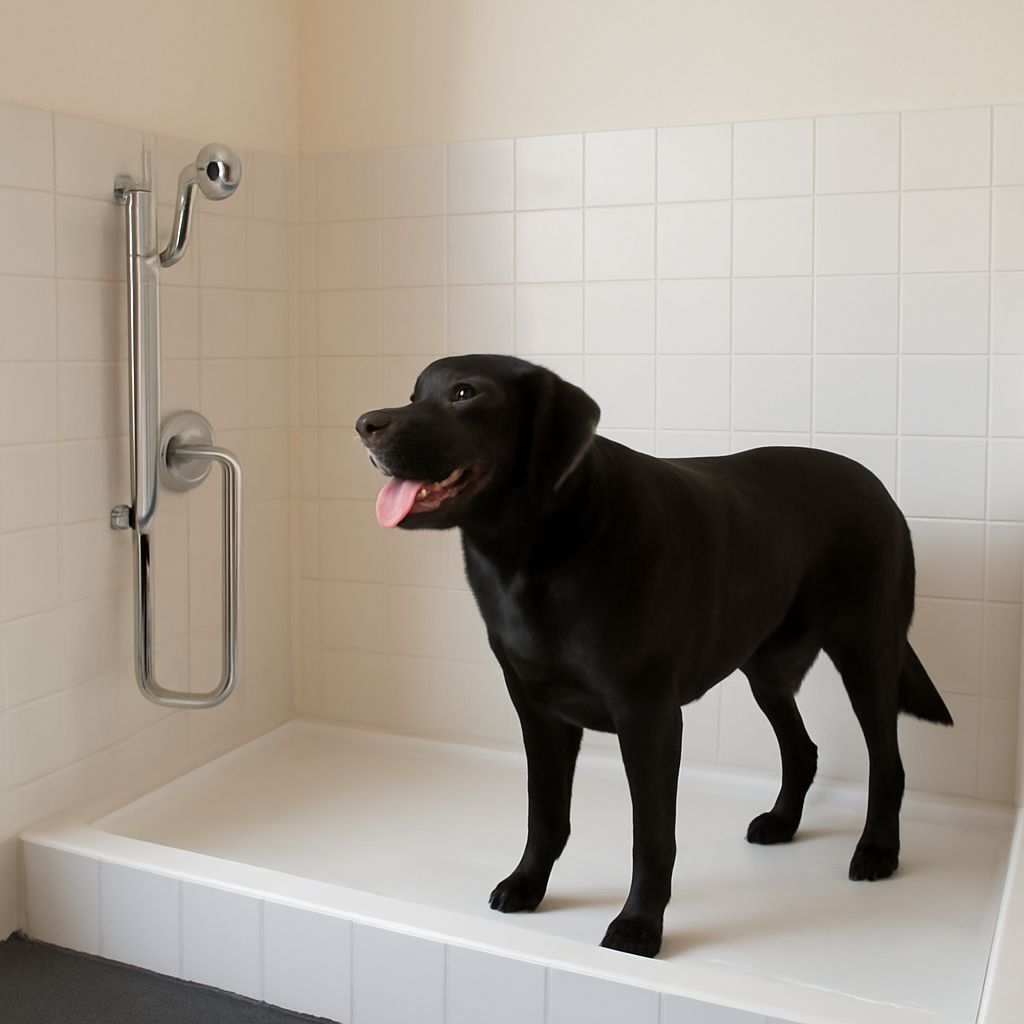
- Walk-in stations — designed for large or elderly dogs who cannot step over a high tub wall
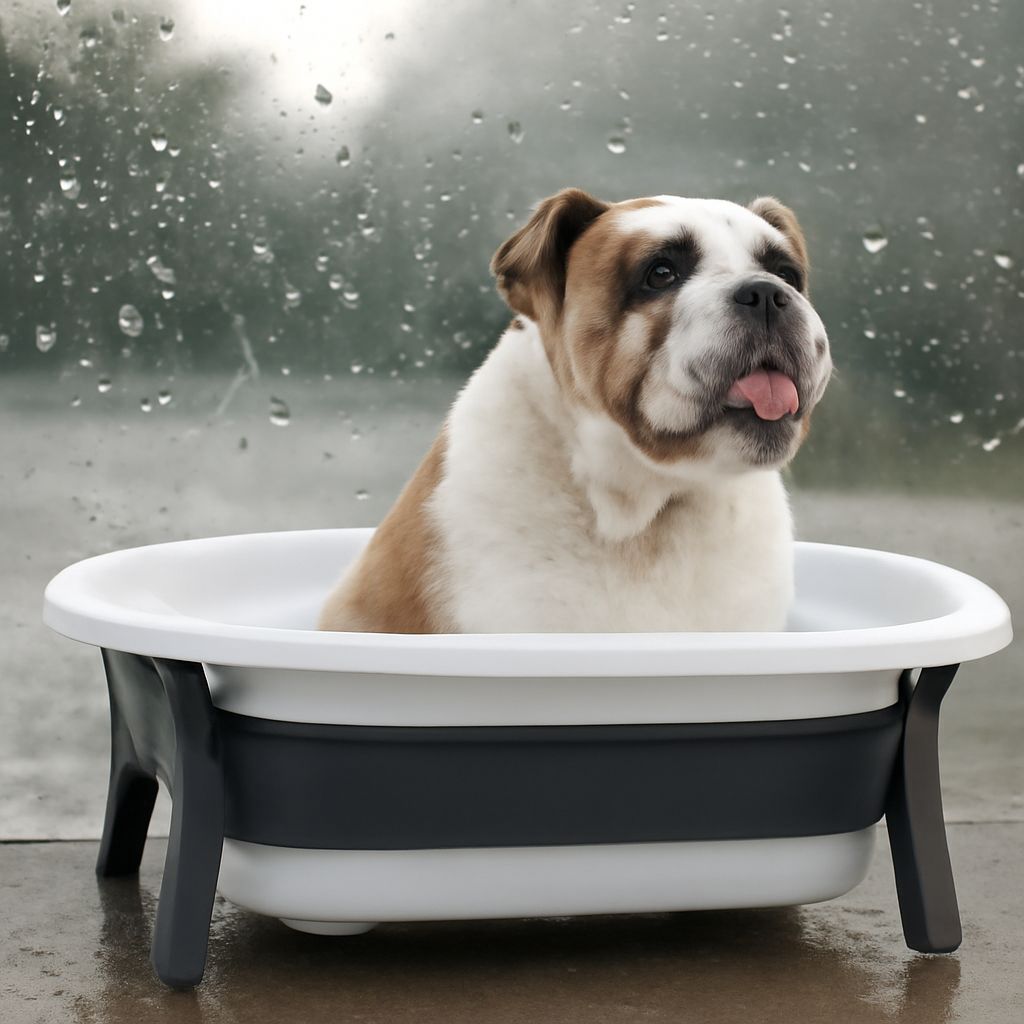
- Portable folding tubs — compact and good for occasional use or small breeds
- Self serve pet spa stations — coin- or card-operated bathing bays found at pet supply stores, offering professional tools without the full salon price
Home installations typically connect to a standard garden hose or laundry utility hookup. Professional-grade dog washing stations include a warm water mixer valve, which matters in cooler months.
Setting Up a Home Dog Washing Station
Placement matters. A laundry room or mudroom works well because the plumbing is already nearby. Garages with a drain are another practical option. Key features to look for when choosing a tub include:
- Adjustable-height legs to suit your standing posture
- A removable ramp or step for older or arthritic dogs
- A non-slip mat inside the basin to reduce anxiety
- A restraint loop or arm to keep the dog centered during washing
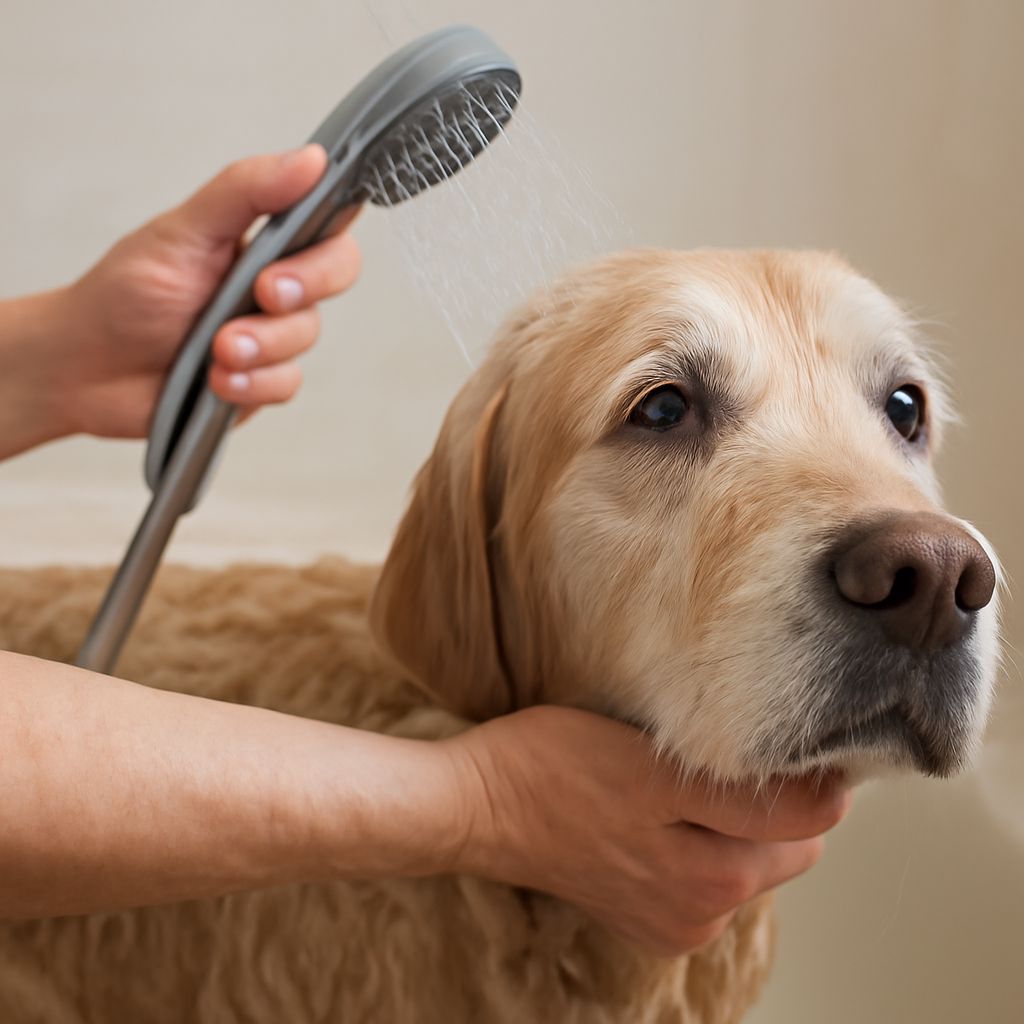
- A handheld sprayer with pressure control
Proper drainage prevents standing water from pooling during the bath. A mesh hair catcher over the drain keeps plumbing clear, especially during a dog bath with a heavy shedding breed.
Tips for Getting the Most from Every Dog Bath
Even the best canine bathing station produces poor results with the wrong technique. Wet the coat down to the skin before applying any shampoo — water-resistant or double-coated breeds need extra time here. Work shampoo in from neck to tail using your fingertips, not nails. Rinse thoroughly until the water runs completely clear; leftover product residue causes skin irritation and dull coats.
After washing your dog, towel-dry gently by patting rather than rubbing, which reduces tangles and mat formation in longer coats. Follow with a forced-air dryer or a standard pet dryer on a low heat setting. Brushing while drying speeds the process and keeps the coat smooth. If your dog has a very dense or textured coat and you are unsure about proper drying technique, consulting a professional groomer for guidance is worthwhile.