How Much Water Should a Dog Drink a Day: Hydration Guide for Dogs
Many owners worry when their dog skips the water bowl for a few hours, then think nothing of it when the dog drinks heavily after exercise. Both extremes can signal problems. The baseline answer to how much water should a dog drink a day is roughly one ounce per pound of body weight, but that figure shifts based on diet, activity level, weather, and health status. Knowing how much water should a dog drink in your specific situation requires more than a generic number. How much water should my dog drink if they eat dry kibble differs from the same question for a dog on a raw or wet food diet. How much water does a dog need also changes when the dog is pregnant, lactating, or recovering from illness. And for owners exploring a raw diet, how much raw food to feed a dog affects moisture intake as much as the water bowl does.
Daily Water Intake: The Baseline and What Adjusts It
The General Rule
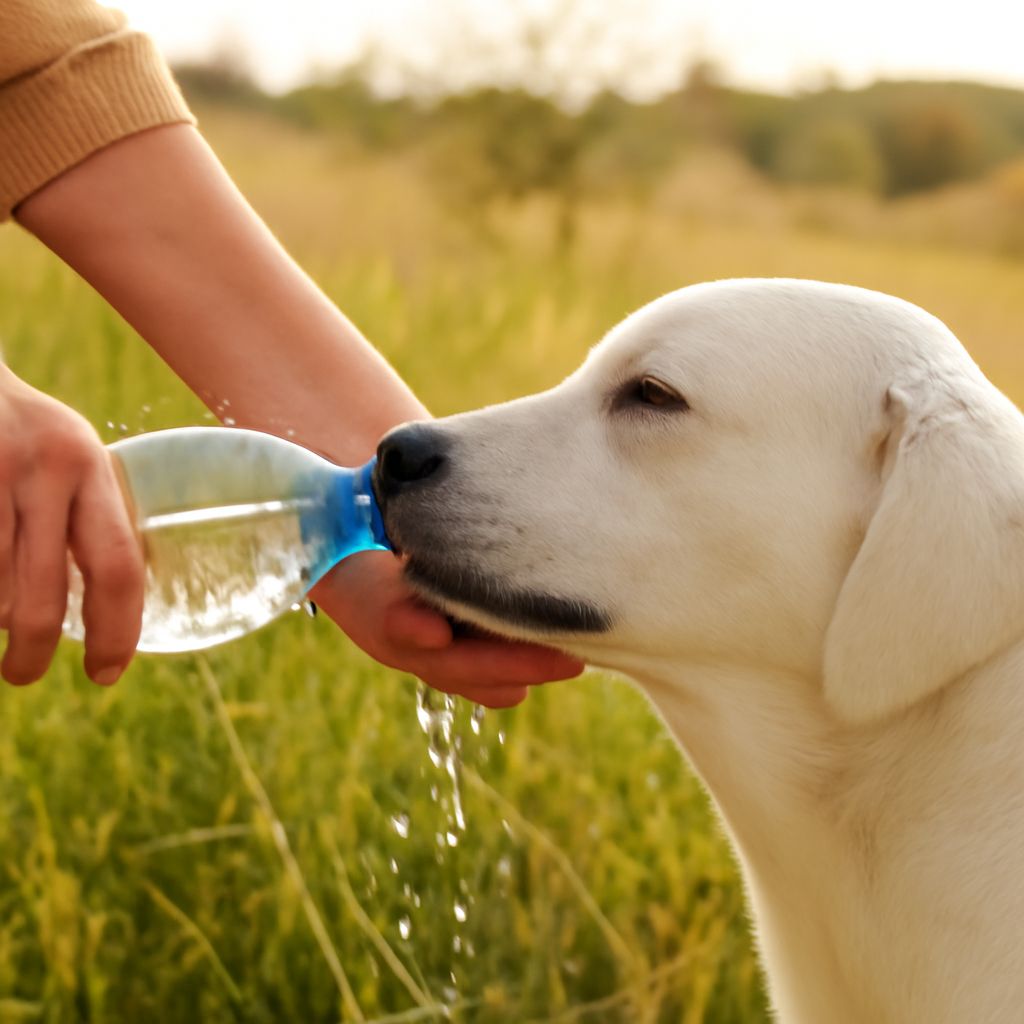
An adult dog needs approximately one ounce of water per pound of body weight daily. A 50-pound dog should drink around 50 ounces, just over six cups, under normal conditions. Puppies and senior dogs often need slightly more due to faster metabolism and less efficient kidney function respectively.
Factors That Increase Water Needs
Several situations push daily intake above the baseline:
- Hot weather or high humidity — panting increases fluid loss rapidly
- Exercise or working activity — dogs working in the field or training heavily need access to water every 15 to 20 minutes
- Dry kibble diet — kibble contains less than 10 percent moisture, so dogs eating it rely entirely on their water bowl
- Lactation — nursing mothers need two to three times their normal water volume
- Illness with vomiting or diarrhea — fluid replacement becomes urgent quickly
Raw and Wet Food Diets and Water Consumption
Dogs fed a raw diet or wet food consume significant moisture through their meals. Raw meat contains 60 to 80 percent water by weight, so how much raw food to feed a dog directly reduces the amount they need to drink from a bowl. These dogs typically drink less — and that is normal, not a sign of a problem. A sudden increase in drinking despite being on a raw or wet diet warrants a vet check, as it can indicate kidney disease, diabetes, or other conditions.
Signs Your Dog Is Dehydrated
Mild dehydration develops faster than most owners expect. A useful field test: gently pinch the skin at the back of the neck. It should spring back immediately. Slow rebound suggests dehydration. Other signs include:
- Dry or tacky gums instead of moist and slick
- Sunken eyes
- Lethargy and reduced interest in play
- Decreased or dark-colored urine
A dog that refuses water and shows these signs needs veterinary attention the same day. Underlying causes such as kidney disease, parvovirus, or heatstroke require specific treatment, not just an offered bowl.
Encouraging a Dog to Drink More Water
Some dogs are simply low drinkers by habit. A few practical strategies help:
- Use wide, shallow ceramic or stainless steel bowls — some dogs avoid plastic due to smell or whisker discomfort
- Place multiple water stations in different rooms
- Add a small amount of low-sodium bone broth to the water
- Switch to a recirculating water fountain, which many dogs prefer over still water
Bottom line: Daily canine water needs depend on body weight, diet type, and activity level rather than a single universal number. Monitor your dog’s intake against their normal pattern, and consult a vet when consumption changes significantly without an obvious environmental reason.