Dog Bows, Toy Aussie Dogs, and Gear That Actually Makes Sense
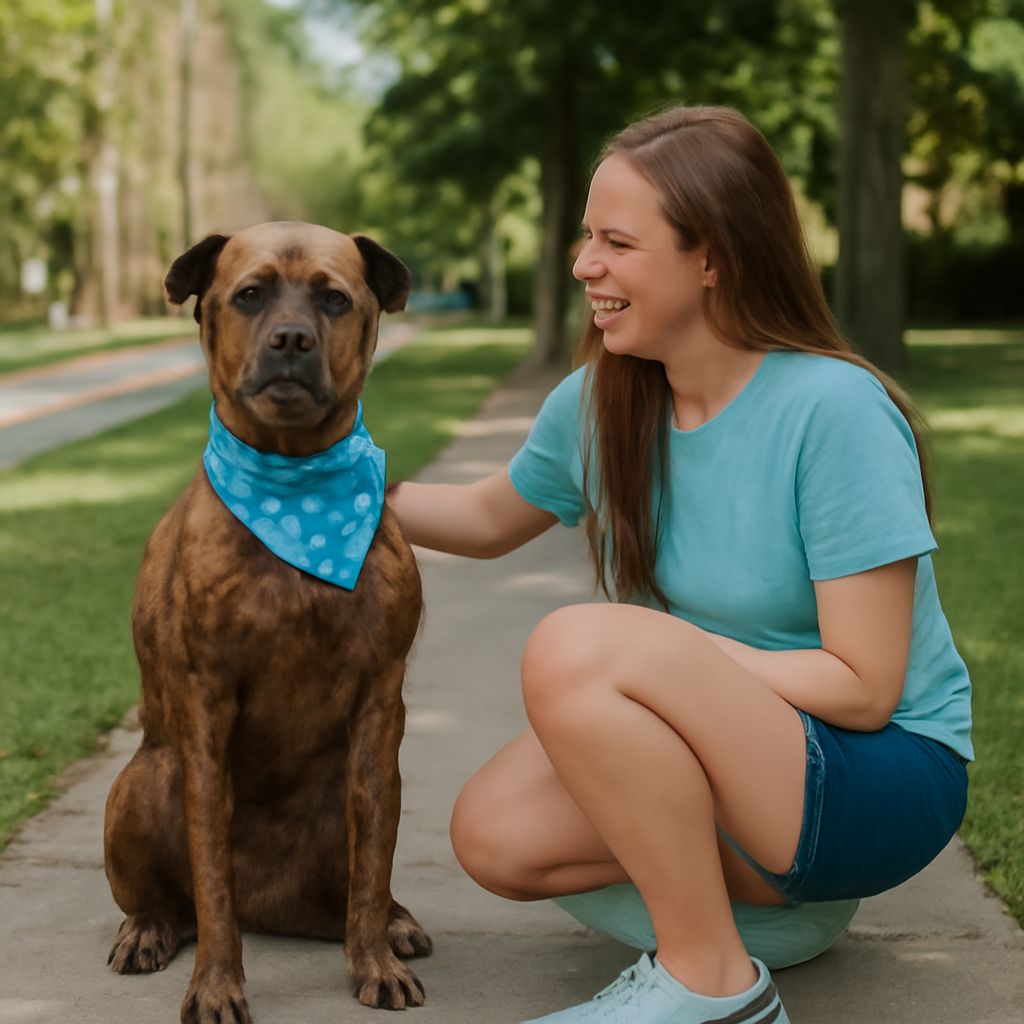
Dog bows and grooming accessories have a reputation for being frivolous, but they serve real purposes when chosen correctly. A bow or bandana keeps fur away from a dog’s eyes, especially in long-coated breeds that haven’t been trimmed recently. The toy aussie dog is a good example of a breed where coat management around the face matters daily. And the hot dog emoji may have made dachshunds internet-famous, but the gear choices for any sausage-shaped dog need to be practical first.
The techichi dog, an ancient Mexican breed and ancestor of the Chihuahua, had no need for bows, but today’s small breed owners layer on accessories without always thinking about fit or safety. Similarly, dog bowls ceramic options are popular for their weight and ease of cleaning, yet many owners pick them based on looks rather than whether the depth and diameter match their dog’s snout shape.
Choosing Dog Bows and Accessories That Fit Properly
A bow that is too tight restricts blood flow to the ear or pulls hair. One that is too loose falls off and becomes a chewing hazard. Use bows sized for your dog’s coat thickness, not just head size. For a toy Aussie or other small herding breeds with dense fur, a slightly larger elastic band holds better without pulling.
Materials That Are Safe for Daily Wear
Fabric bows in cotton or satin are the safest options. Avoid embellishments like buttons, rhinestones, or glued-on decorations that can detach and be swallowed. Rubber band style attachments work well but should be replaced often since they degrade and tighten over time. Check any bow or clip at each use.
When to Skip Accessories Entirely
Some dogs tolerate bows well; others find them stressful. Watch for pawing at the head, excessive shaking, or flattened ears as signs of discomfort. A dog that consistently tries to remove an accessory is telling you clearly it is not suitable. Comfort always comes before aesthetics.
Picking the Right Ceramic Dog Bowl
Dog bowls made from ceramic are dishwasher-safe, heavy enough to resist sliding, and do not leach chemicals the way low-grade plastics can. The main drawback is breakage. A cracked ceramic bowl develops rough edges and bacterial harboring pits, so inspect them regularly and replace at the first sign of damage.
Bowl depth matters. Flat-faced breeds, including some toy varieties, need shallow, wide dishes to reach food comfortably. Long-eared breeds like Cocker Spaniels do better with narrow, tall bowls that keep ears out of food and water. The right bowl shape reduces mess and supports healthy eating posture.
Bottom Line
Dog bows, ceramic bowls, and other dog gear work best when chosen for function first. Fit and material safety matter more than appearance. Match accessories and bowls to your dog’s specific breed type, coat, and snout shape for results that actually improve daily life.