Dog Needs Beyond the Basics: Understanding Special Cases in Rescue and Adoption
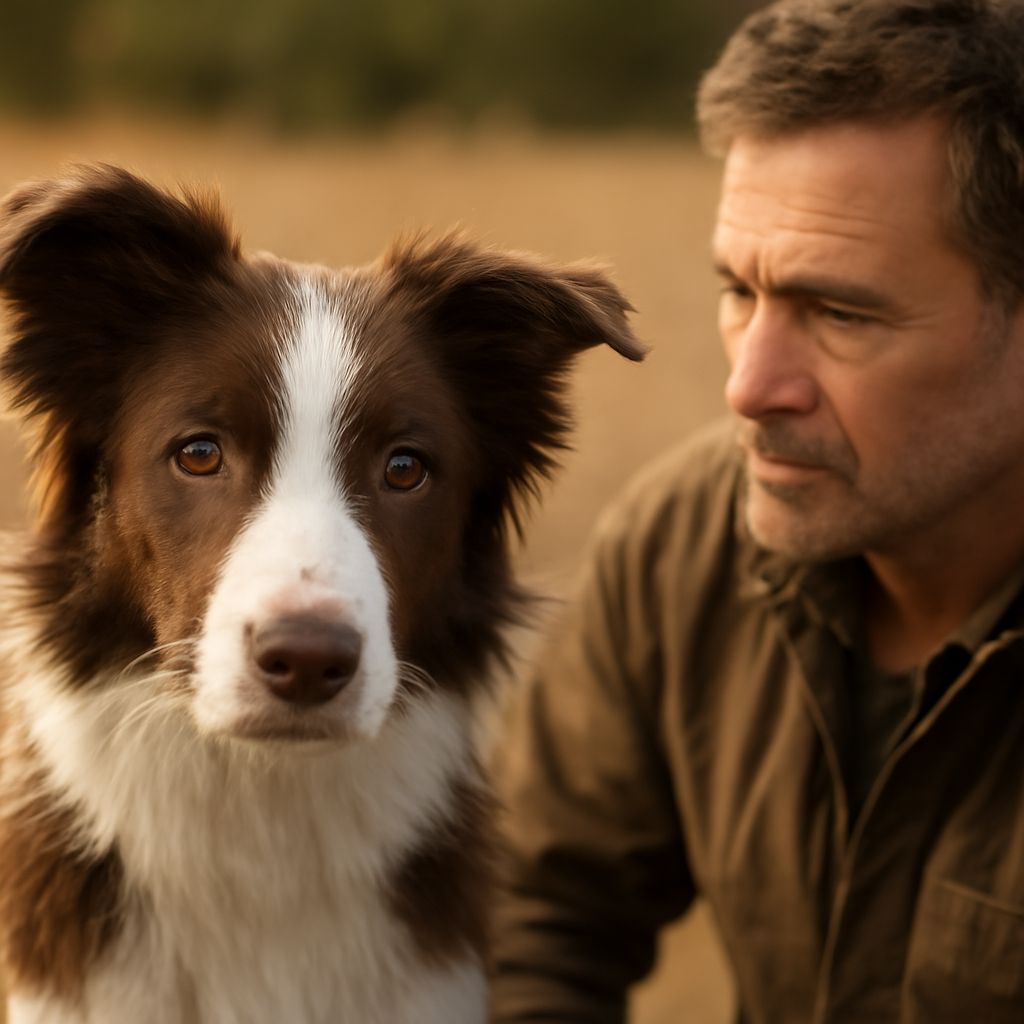
Meeting a dog’s needs goes further than food and shelter. Every dog requires mental stimulation, social contact, physical exercise, and consistent routine. The assumption that a rescue dog just needs love overlooks the structured support many of these animals require to decompress and build trust. Rescuing a dog is rewarding, but it carries real responsibility that begins before the animal comes home.
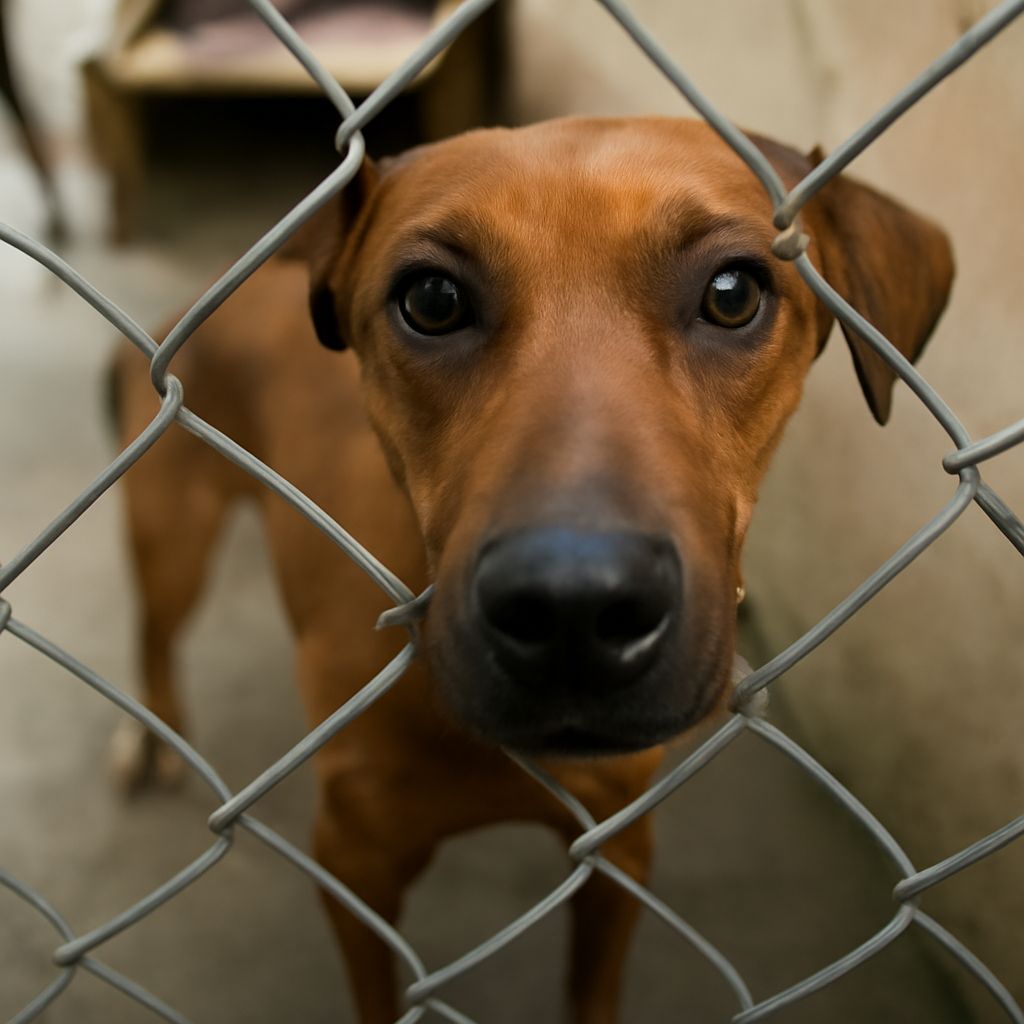
Special needs dog rescue programs exist because some dogs require more than standard adoption protocols cover. These may include dogs with chronic health conditions, anxiety disorders, or physical limitations. Special needs pets across all species face longer shelter stays and higher return rates when adopters are not fully prepared. Bird dog rescue programs, which often handle high-drive working breeds unsuitable for typical households, deal with similar mismatches between dog temperament and owner lifestyle.
What Dog Needs Look Like Across Life Stages
A puppy’s needs differ sharply from those of a senior dog. Puppies need frequent social exposure, clear boundaries, and short but consistent training sessions. Adult dogs from rescue environments often need decompression time before new training begins. Senior dogs may need veterinary support for joint pain, dental disease, or cognitive changes that affect behavior.
Physical Needs
Exercise requirements vary by breed, age, and individual temperament. A high-energy working breed needs significantly more daily movement than a lap dog. Dogs with mobility limitations due to injury or arthritis need modified exercise plans developed with veterinary input. Providing the right type of activity, not just the maximum amount, is what supports long-term joint and cardiovascular health.
Behavioral and Emotional Needs
Dogs need predictability. Consistent feeding times, walk schedules, and sleep spaces reduce anxiety significantly. Dogs from chaotic backgrounds, including many acquired through special needs dog rescue networks, benefit from structured routines that help them anticipate what comes next. A licensed behaviorist or certified trainer is the right resource for dogs displaying fear-based reactions, resource guarding, or barrier frustration.
Preparing to Adopt a Special Needs Dog
Adopting a special needs pet requires honest self-assessment. Consider the financial commitment for veterinary care, the time available for rehabilitation or training, and whether your living situation supports the dog’s specific requirements. A dog with mobility challenges needs ground-floor living or ramp access. A dog with reactivity needs a quiet environment and an owner committed to structured management.
Organizations focused on rescuing a dog from high-need categories will often match adopters carefully and provide post-adoption support. Ask about what behavioral history is available, what the dog has responded to during its shelter stay, and whether foster families have additional observations. Bird dog rescue groups in particular keep detailed notes on drive level, trainability, and social behavior because placement accuracy matters for both the dog and the adopter.