How to Clean Dog Ears and Keep Your Dog’s Teeth Healthy
Many owners assume that learning how to clean dog ears is optional, something to leave for the groomer. It is not optional if your dog is prone to infections. Ear cleaning at home, done correctly every two to four weeks, dramatically reduces the bacterial and yeast buildup that leads to painful infections. The process takes under five minutes once you know the steps, and most dogs tolerate it well with consistent handling.
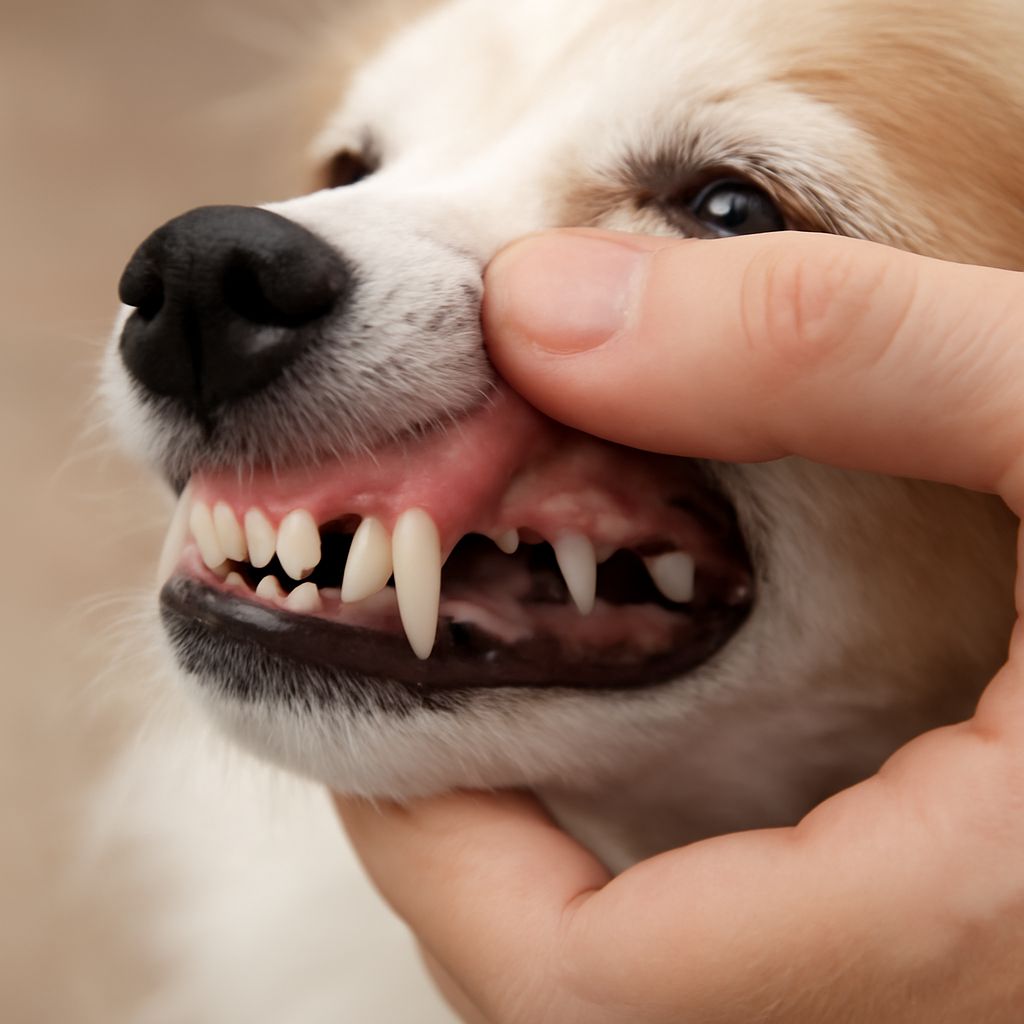
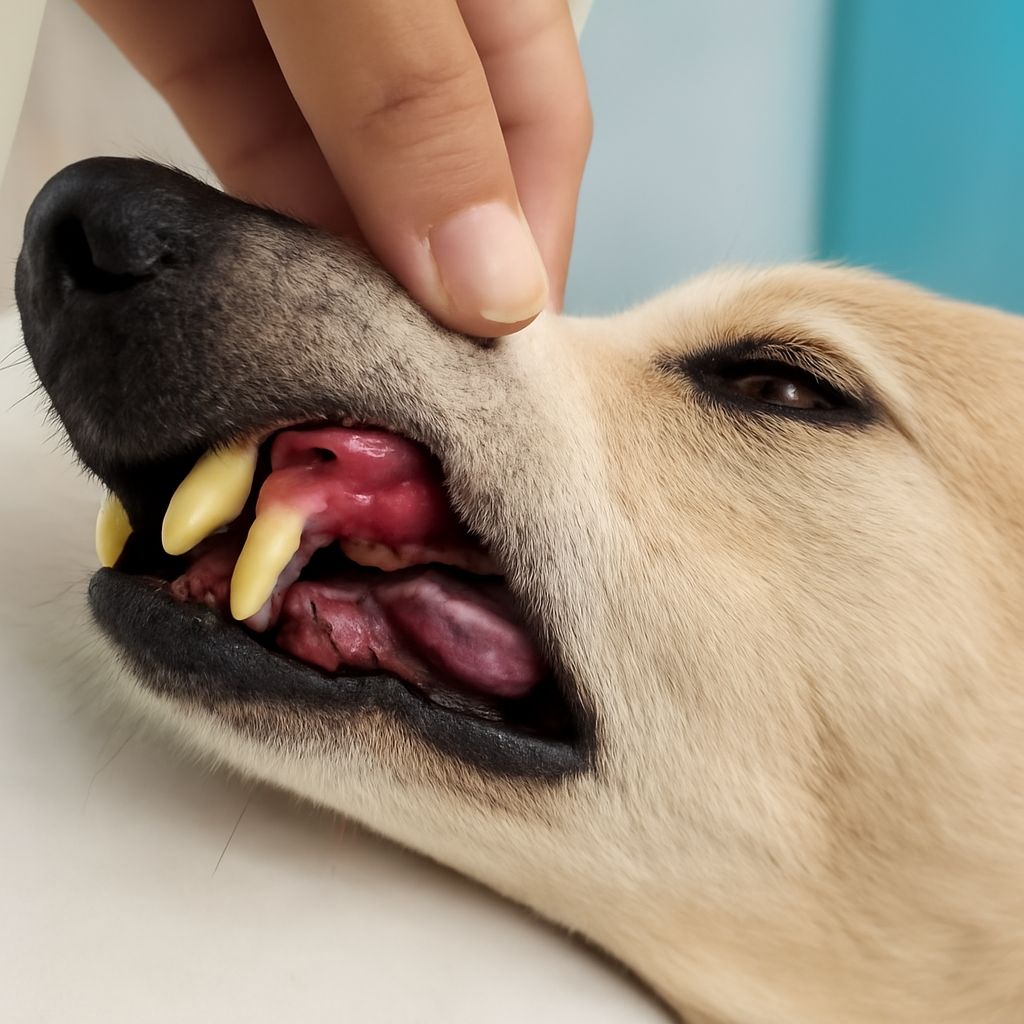
Dental hygiene gets even less attention. The goal is to clean dog teeth regularly to prevent periodontal disease, which affects the majority of dogs over age three. Baking soda comes up often as a DIY option, but knowing how to clean dog teeth with baking soda correctly matters: the correct dilution and method differ from human brushing entirely. Separately, knowing how to soften dog food can help senior dogs or post-dental patients eat more comfortably. And if you use a pet sitter, teaching them how to pet sit with these tasks in mind keeps routines consistent while you’re away.
Ear Cleaning: Step-by-Step
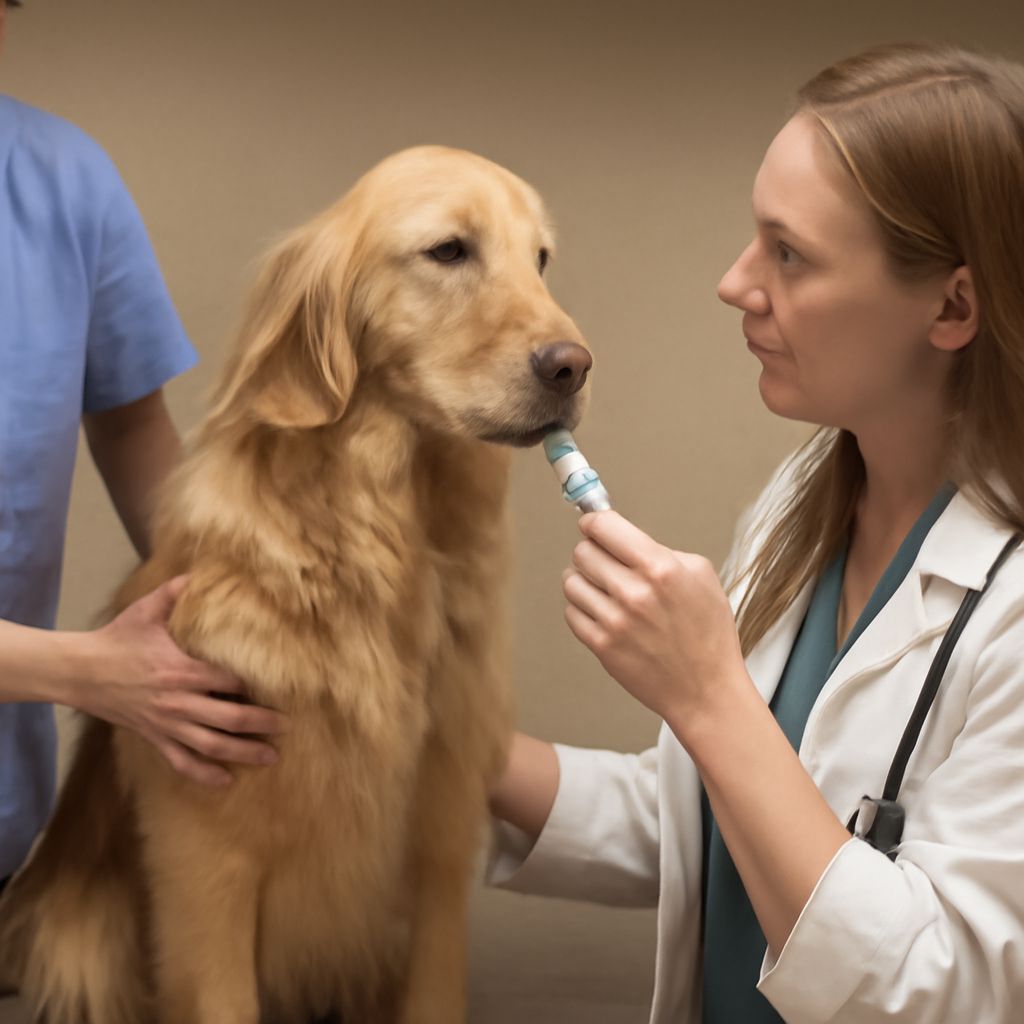
Use a veterinarian-approved ear cleaner, not water or hydrogen peroxide. Squeeze a small amount into the ear canal, massage the base of the ear for 20 to 30 seconds, then let the dog shake. Wipe away debris from the outer ear with a cotton ball. Never insert cotton swabs into the ear canal; this pushes debris deeper and risks injury.
Dogs with floppy ears, heavy ear hair, or a history of infections need more frequent cleaning. Signs that something is wrong include head shaking, scratching at the ear, discharge, or odor. These warrant a veterinary visit, not more aggressive home cleaning. Ear infections require prescription treatment; cleaning alone won’t resolve active infections.
Dental Care at Home
Brushing Basics
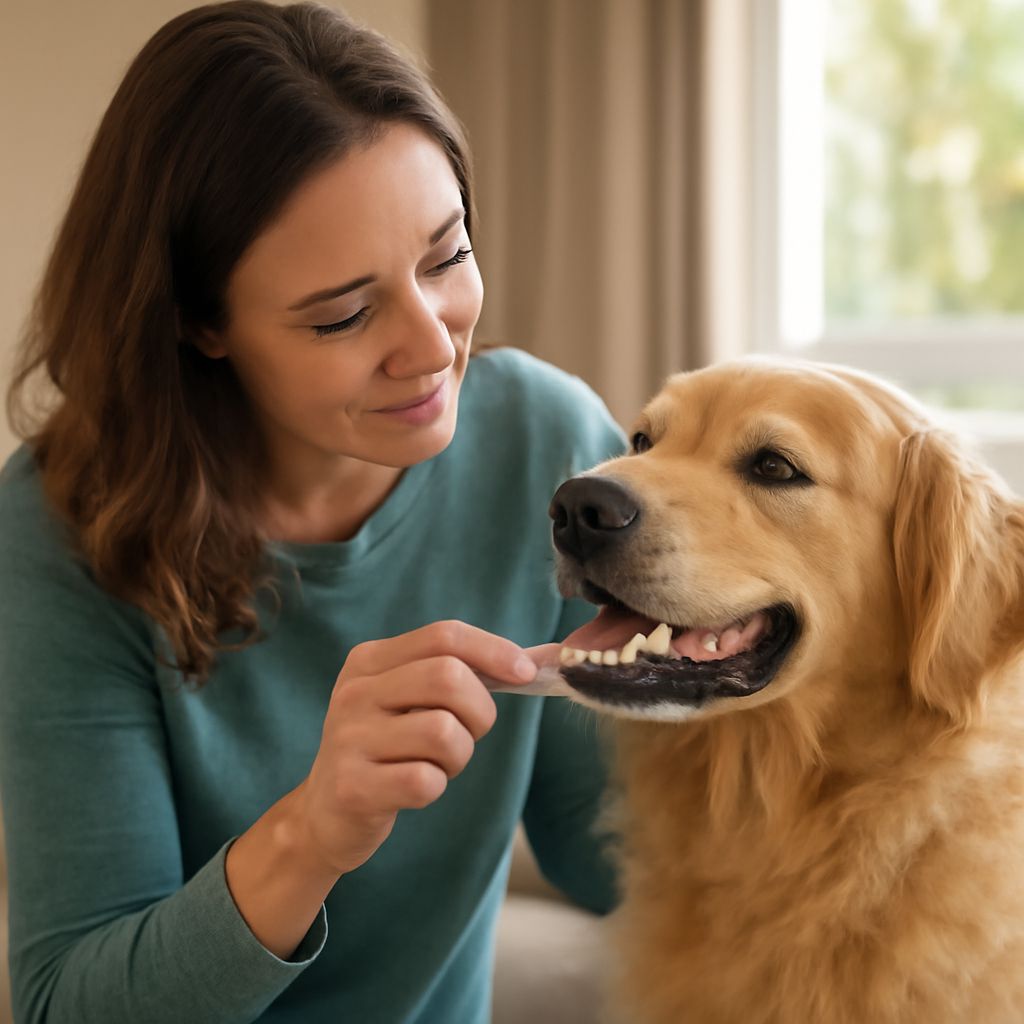
Brushing remains the most effective way to manage canine dental health. Use a dog-specific toothbrush or a finger brush with enzymatic dog toothpaste. Human toothpaste contains fluoride and xylitol, both toxic to dogs. Aim for brushing at least three times per week, though daily is ideal. Focus on the outer surfaces of the teeth where plaque accumulates fastest.
Using Baking Soda Safely
A diluted baking soda paste can help remove surface staining when used occasionally. Mix a small pinch with water to form a thin paste, apply with a finger brush, and rinse well. Do not use it daily; baking soda is mildly abrasive and alters oral pH with repeated use. It is a supplement to proper brushing, not a replacement.
Softening Food for Dental Recovery
After a dental procedure or for dogs with tooth sensitivity, softening dry kibble with warm water for a few minutes makes chewing comfortable. Add just enough water to let the kibble absorb moisture without becoming mushy. This also slows fast eaters and improves digestion. Avoid broth with onion or garlic, which are harmful to dogs.
Keeping Pet Sitters Informed
If someone else cares for your dog, leave written instructions for both ear and dental routines. A good pet sitter will follow your established schedule, but only if they know it exists. Include the products you use, the frequency, and any behavioral notes, such as which ear the dog tends to resist or whether they need a treat reward after brushing. Consistency across caregivers prevents regression in habits your dog has already learned to accept.