Dog Washing Station for Home: How to Set Up a Practical Bath Area
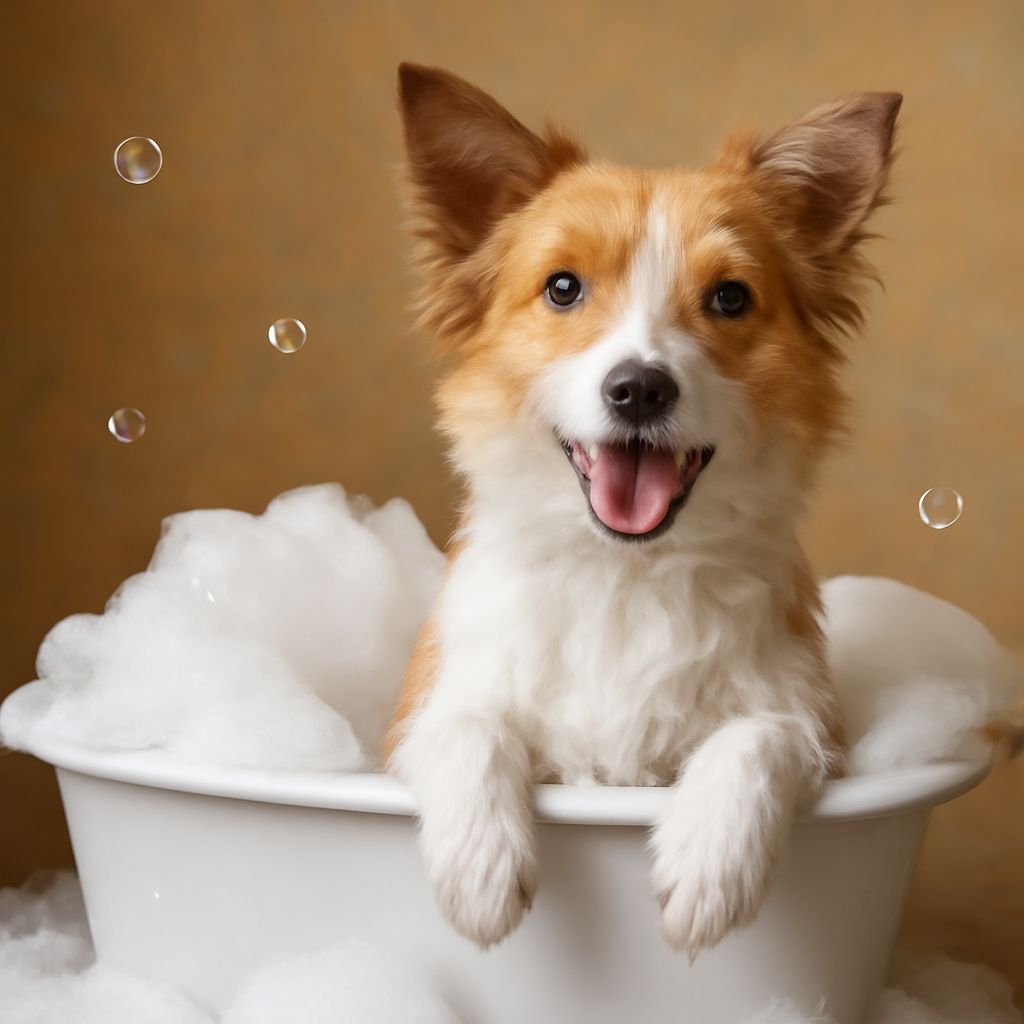
A dog washing station for home use is often dismissed as a luxury until you have hauled a muddy 60-pound dog through the kitchen one too many times. The reality is that a dedicated wash area saves time, reduces mess in the rest of the house, and makes bathing a much less stressful experience for both owner and dog. A well-planned setup does not require a full renovation; in many cases, a straightforward diy dog wash station can be built in an afternoon with basic plumbing knowledge and standard materials.
Many owners assume a home dog wash station needs to be indoors. Outdoor options work well in the right climate and can be even more practical for large breeds or dogs that require frequent rinsing after yard time. A home dog wash station built outdoors often involves a simple hose connection, a rubber mat, and a tie-out point, keeping mud and water entirely outside. An outdoor dog bath can be as simple as a tub on a patio or as built-out as a full tiled enclosure. An outdoor dog shower with a warm-water connection extends usability into cooler seasons.
Planning Your Dog Wash Station
Indoor vs. Outdoor Setup
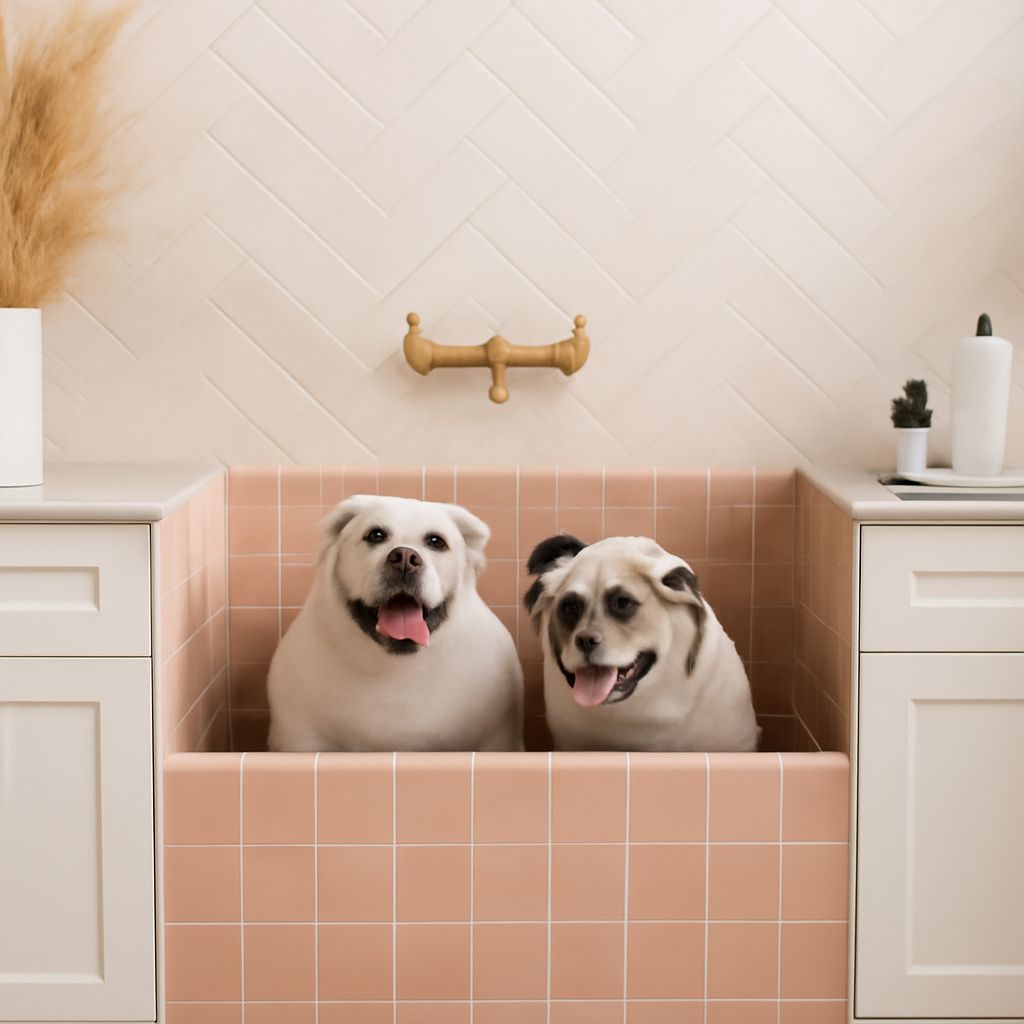
Indoor wash stations typically use a utility sink, a laundry room alcove, or a custom-built tub at the right height to eliminate the need for bending. The key requirements are a floor drain or waterproof surround, a handheld showerhead attachment, and a non-slip surface at the dog’s standing area. Warm water access is essential indoors. Height should allow you to work without stooping; a raised platform at 18 to 24 inches suits most adult owners.
Outdoor dog bath setups are more flexible in terms of drainage since water flows away naturally. A rubber or composite mat prevents slipping on concrete or pavers. Add a tie-out ring at nose height to keep the dog still during rinsing. A simple hot-and-cold mixing valve attached to a standard outdoor faucet allows warm water use year-round in mild climates.
Materials and Surface Choices
Non-slip tile, sealed concrete, and rubber matting are the best surface choices for any wash area. Avoid smooth surfaces; a wet dog on smooth tile is a safety hazard for both dog and owner. Stainless steel tubs are the most durable and hygienic option for custom-built stations. They resist odor absorption and clean easily. Acrylic or fiberglass tubs cost less and are lighter but scratch more easily over time.
Plumbing Considerations
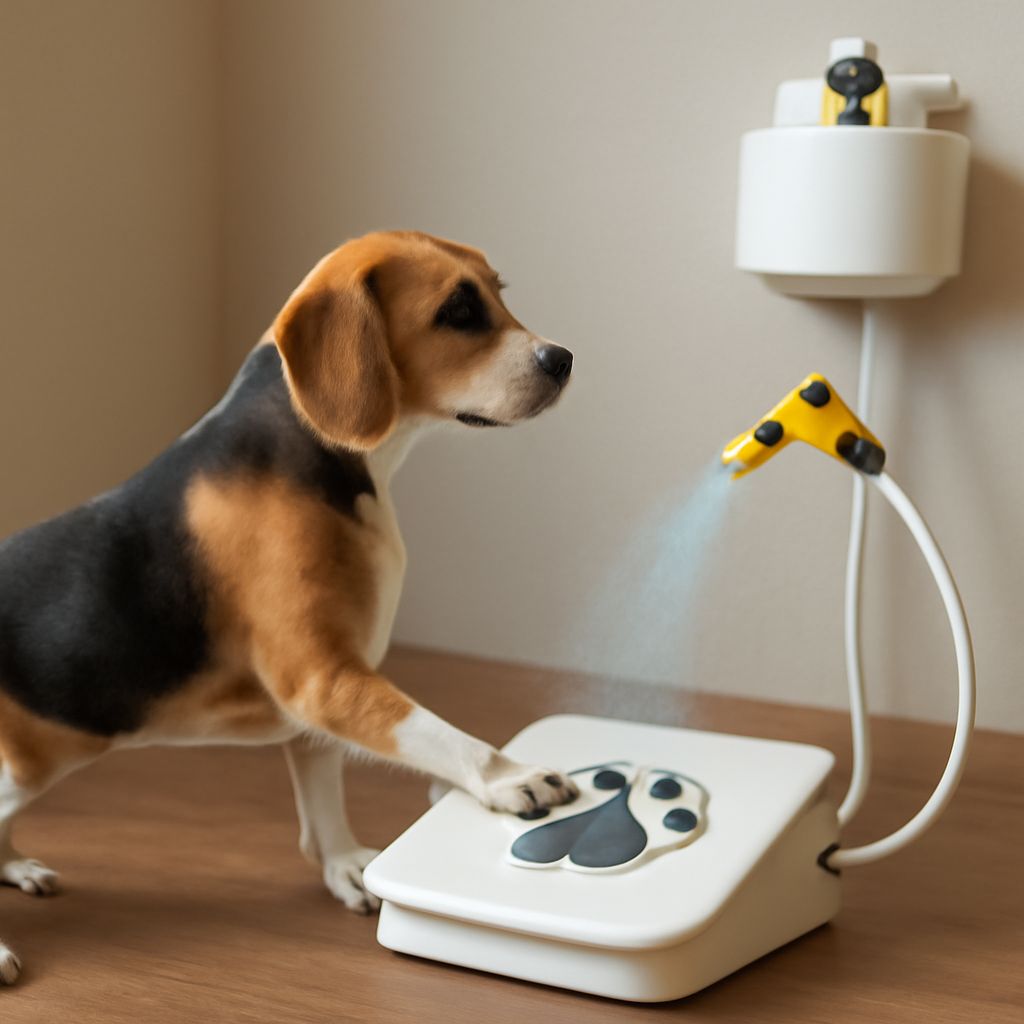
A handheld showerhead on a flexible hose is the most important fixture in any dog wash setup. Fixed overhead showerheads are ineffective for rinsing under the belly, behind the ears, and around the legs. If adding a warm-water connection outdoors, a tankless water heater designed for outdoor use provides on-demand warm water without the cost of running a long hot water line from the house.
Making Bathing Easier for Your Dog
Introduce the wash station before the first bath. Let the dog explore the space, stand in the tub without water, and receive treats in the area. This builds positive associations before water and handling are involved. Dogs that have a positive relationship with the wash area require less restraint and cooperate more readily, which makes every future bath faster and calmer.
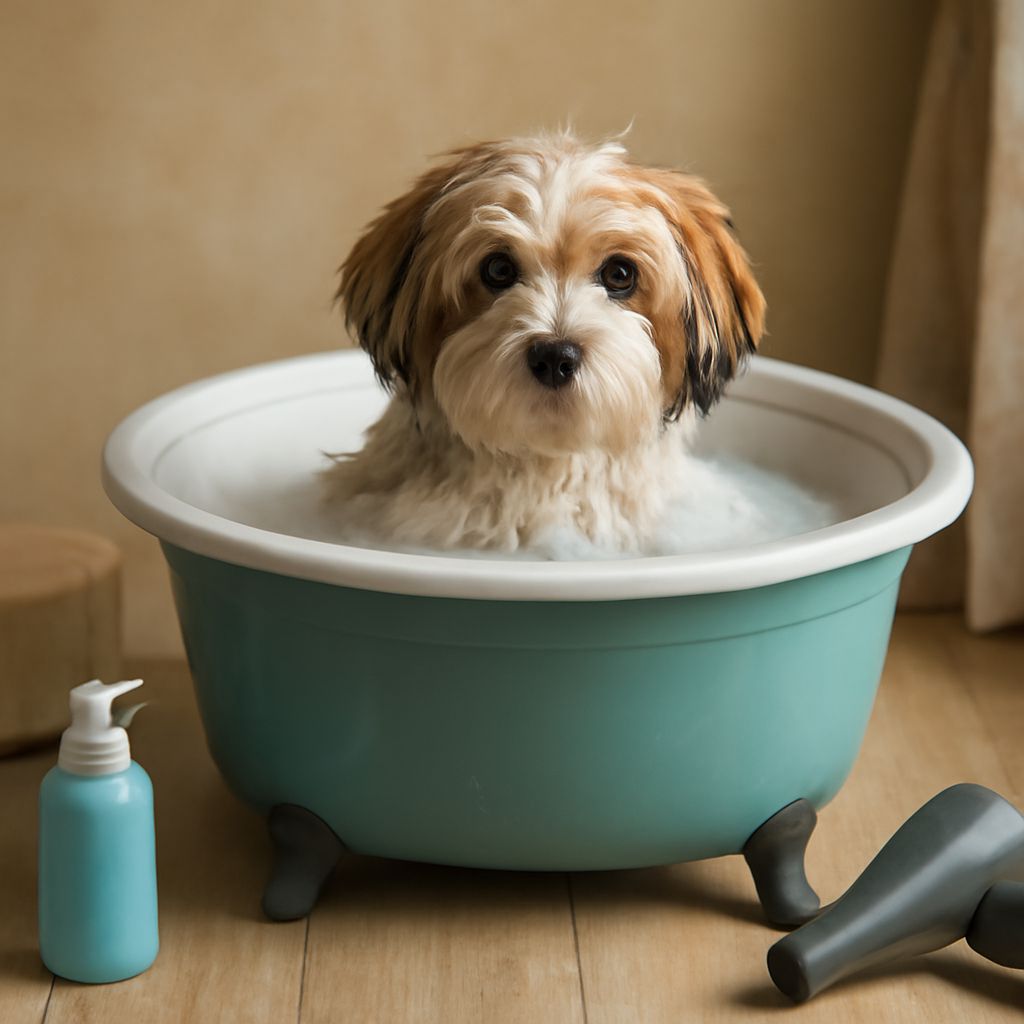
Keep all supplies within reach: shampoo, conditioner, towels, and a non-slip mat positioned at exit. Post-bath, use a high-velocity dryer designed for dogs if drying speed matters, particularly for thick-coated breeds. A damp dog kept in a cold environment is a comfort and health issue.