Dog Cage Furniture: Housing Solutions for Dogs, Squirrels, and Hedgehogs
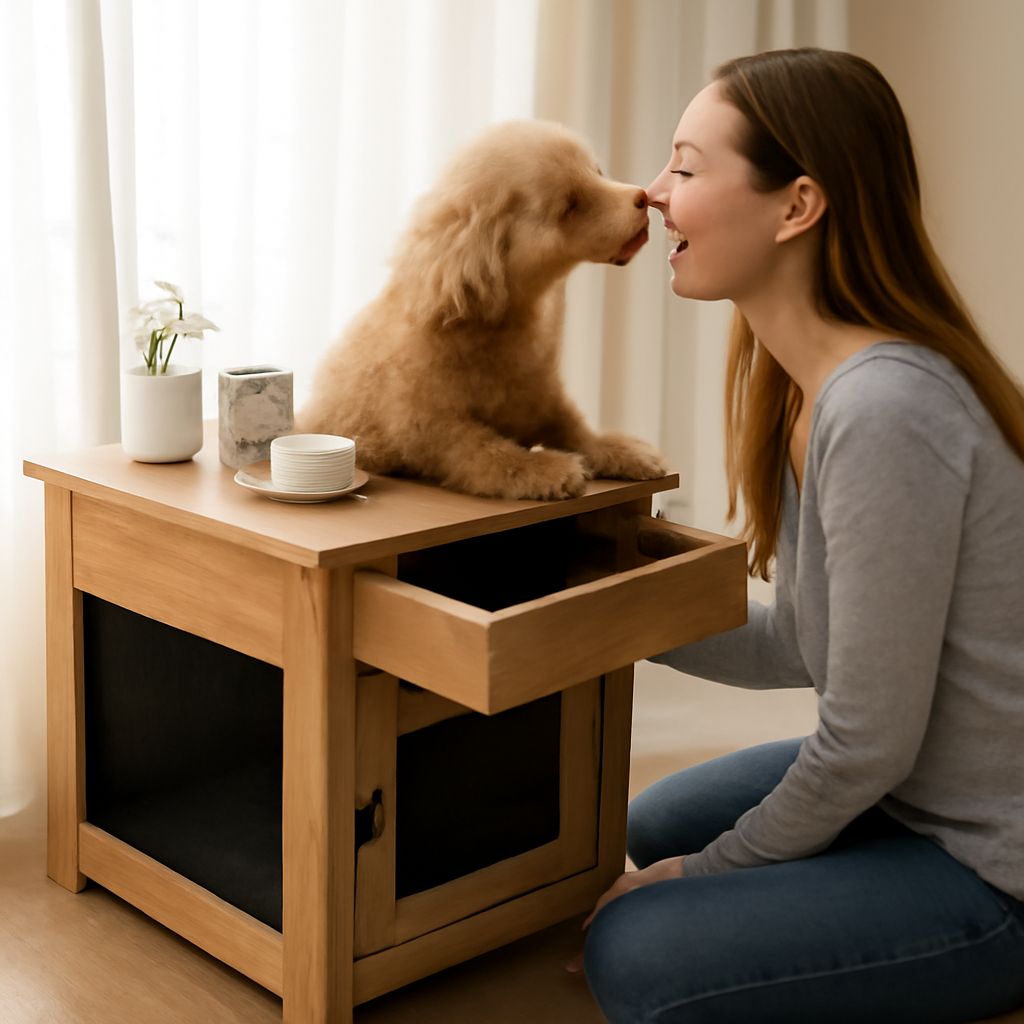
The term dog cage furniture brings up images of wooden crate covers that double as side tables. That is only part of what the category covers. Good enclosure furniture is about matching the animal’s needs to a structure that fits your home and respects the animal’s dog temperament or natural behavior. A piece of furniture that looks great but stresses the animal defeats the purpose entirely.
It is also worth clearing up a common confusion: the solutions that work for dogs do not transfer cleanly to other species. A pet squirrel cage has very different requirements than a canine crate, and a hedgehog pet cage serves an animal with specific thermal and behavioral needs. Knowing which cage type fits which animal saves money and prevents welfare problems. And if chewing is already a problem, stop dog chewing furniture home remedies can help while you find a better long-term solution.
Dog Crate Furniture: Blending Function and Aesthetics
Choosing the Right Crate Size
Dog crate furniture ranges from simple wooden covers to fully integrated units where the crate is built into a cabinet or console table. The dog’s size is the main factor. A crate should be large enough for the dog to stand, turn around, and lie flat. Go too large for a puppy and they may use one end as a bathroom. Built-in crate furniture tends to use fixed dimensions, so measure your dog before buying.
Managing Chewing and Furniture Damage
Dogs that chew cage walls or nearby furniture are usually bored, anxious, or teething. Home remedies to stop chewing behavior include bitter apple spray on accessible surfaces, rotating chew toys to maintain novelty, and ensuring the dog gets enough daily exercise. These approaches address the symptom. If the chewing is rooted in separation anxiety, behavioral intervention from a trainer is more effective than any spray. A dog’s chewing tendency also reflects its temperament, some dogs are persistent chewers regardless of breed.
Small Pet Enclosures: Squirrels and Hedgehogs
Pet Squirrel Cage Requirements
A squirrel needs vertical space. These animals climb constantly, and a cage that is wide but short gives them no outlet for that drive. The minimum for a single squirrel is typically 2 feet wide, 2 feet deep, and 4 feet tall, with horizontal bars they can grip. Bar spacing should be narrow enough that the animal cannot get its head through. Squirrels chew wood aggressively, so avoid wood frames as the primary structure unless it is a species-safe hardwood you expect to replace.
Hedgehog Habitat Needs
A hedgehog pet cage works best as a solid-floored enclosure rather than wire-mesh flooring, which can catch and injure their small feet. A minimum of 2 square feet of floor space, though more is better. Hedgehogs are nocturnal and travel several miles per night in the wild, so a solid-surface wheel is a practical necessity, not a luxury. Temperature matters too: they need ambient warmth of 72 to 80 degrees Fahrenheit. Wire cages work for ventilation but must be paired with a heat source in cooler homes.
Matching Enclosure to Animal
Each animal’s natural behaviors, its instincts around climbing, chewing, burrowing, or running, should drive the enclosure choice. Dog cage furniture that blends into a living room is a reasonable goal, but the design must accommodate the dog’s movement and rest needs first. For squirrels and hedgehogs, aesthetic compromise is often necessary to meet welfare requirements. Consult a vet familiar with exotic animals before finalizing a setup for non-dog species.