Dog Baby Carrier Guide: Choosing the Right Pet Carrier for Travel
A dog baby carrier looks like a baby carrier adapted for small dogs, and that is basically what it is. These front-facing or backpack-style carriers let you keep a small dog close while keeping your hands free. The idea works well for calm, small-breed dogs on short outings or in crowded environments. It does not work well for anxious dogs, large dogs, or long-distance travel where the dog needs to remain stationary for extended periods. Matching carrier type to use case matters more than any feature list.
The carrier market also includes a collapsible pet carrier for space-saving storage, a sport pet carrier for active outdoor use, a bubble pet carrier with a transparent window panel for curious dogs, and, in a completely different context, baby pet rats, which are young rats sometimes transported in small carriers. Each type has a specific purpose, and understanding the differences prevents a purchase that does not actually fit your situation.
Types of Pet Carriers for Dogs
Front-Pack and Backpack Dog Carriers
A dog front carrier distributes weight across the wearer’s torso and keeps the dog visible and in contact with the handler. Good for dogs under 15 pounds. Look for padded shoulder straps, a secure clip inside to attach to the dog’s harness, and mesh panels for ventilation. Backpack-style carriers work for slightly heavier dogs and hiking scenarios where hands-free movement matters. Weight capacity and ventilation are the two most important specs.
Collapsible Pet Carriers
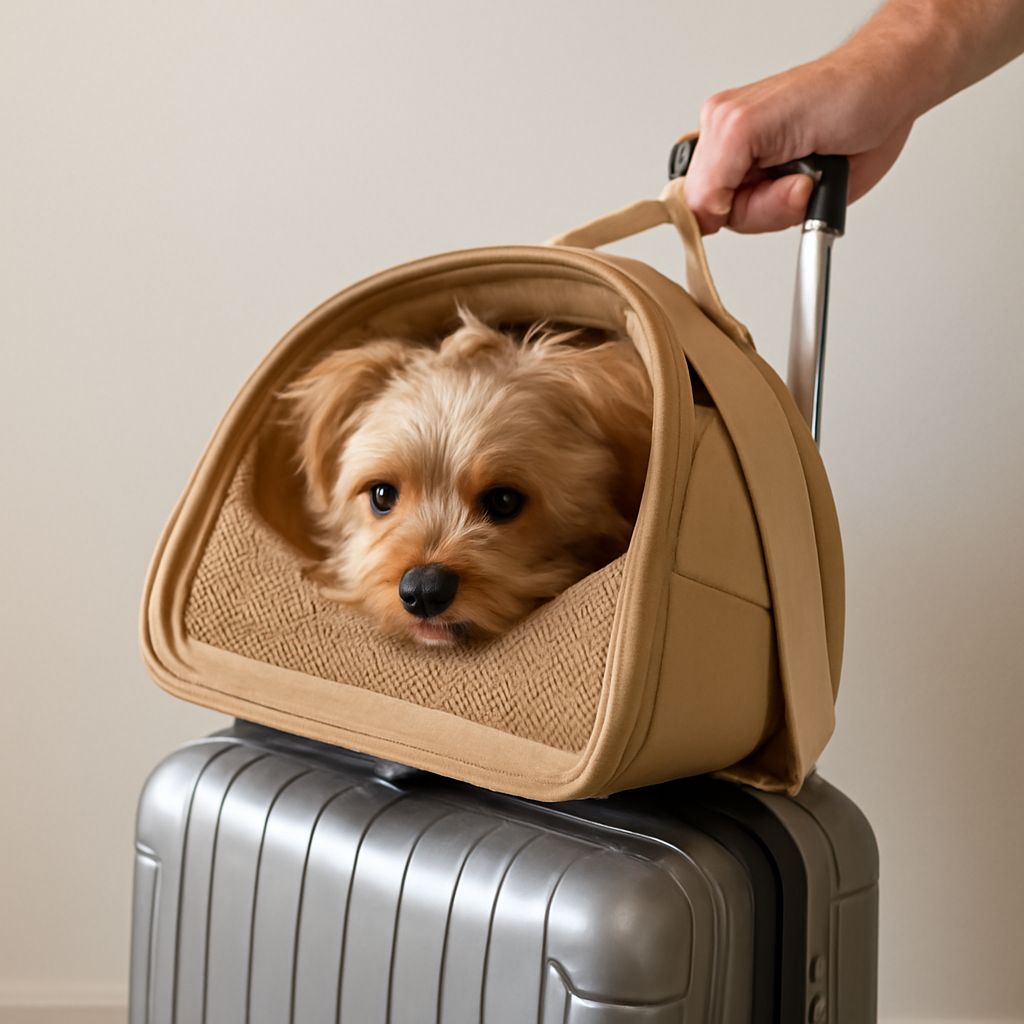
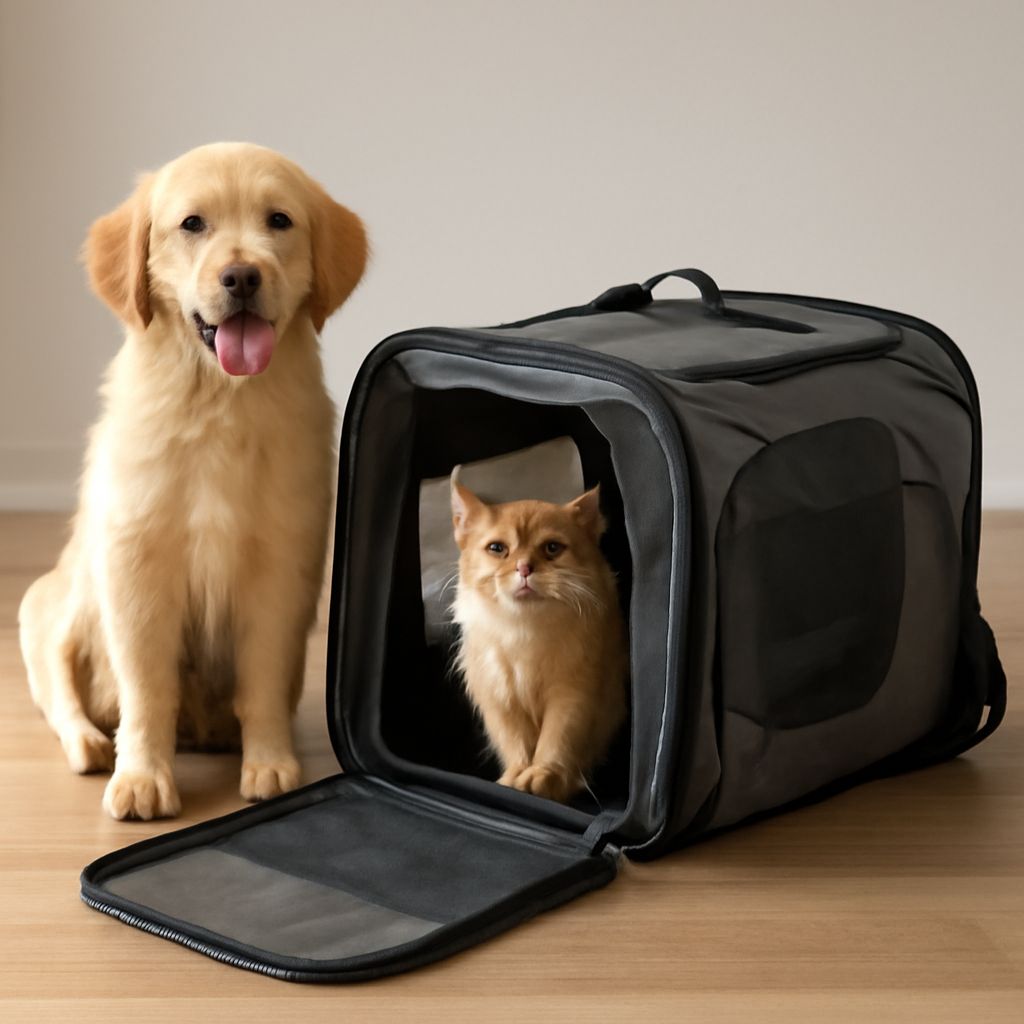
A collapsible pet carrier folds flat when not in use, which makes it practical for occasional travel. Most are soft-sided with a rigid base. They work well for airline cabin travel when the dog must fit under the seat. Check the specific airline’s size requirements before purchasing, since carriers that meet one airline’s dimensions may not meet another’s. A carrier used for flights should be airline-approved and labeled as such by the manufacturer.
Sport Pet Carriers
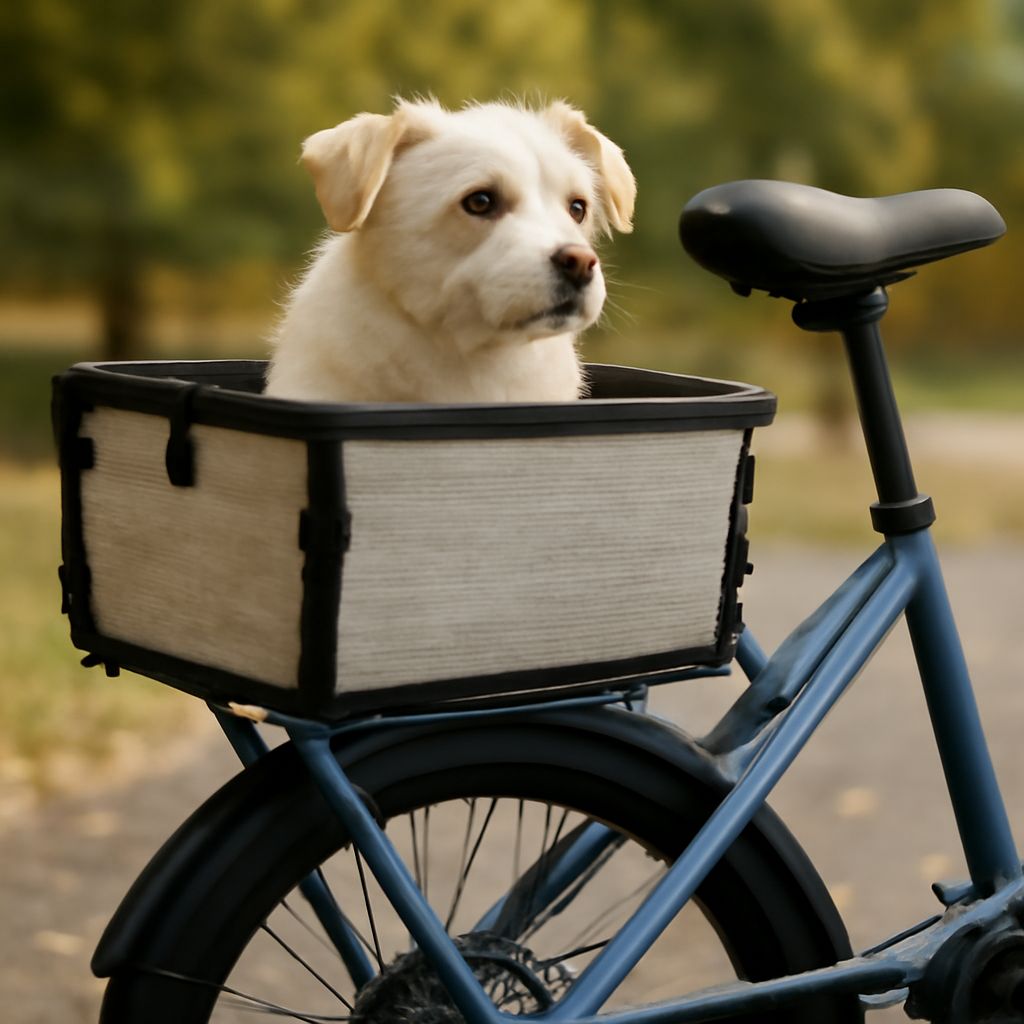
A sport pet carrier is built for outdoor use: hiking, running, or cycling. They typically have more structured frames, better weight distribution systems, and ventilation designed for physical activity. Many include water bottle pockets and waste bag holders. These are the right choice when you are covering ground quickly and need the dog stable and contained rather than just close.
Bubble Pet Carriers
A bubble pet carrier has a transparent dome or window panel on the front. Dogs that are visually curious and travel well enjoy these, the window lets them see out without being exposed to wind or direct sun. They are mostly suited for calm dogs in low-stress environments like a mall or farmer’s market rather than crowded airports or busy outdoor events.
Introducing a Dog to a Carrier
Dogs that have never used a carrier need a gradual introduction. Leave the carrier open in a common area for several days, place familiar bedding inside, and feed treats inside without requiring the dog to enter. Once the dog goes in voluntarily, practice short enclosures of a minute or two before building to longer durations. A dog that enters the carrier calmly on cue is much easier to travel with than one that has to be placed inside and immediately tries to exit.
Key takeaways: Carrier type should match your use case, front carriers for daily outings, collapsible designs for flights, sport carriers for active trips, and bubble carriers for calm dogs who enjoy watching the world. Always introduce the carrier gradually before any real travel. Prioritize ventilation, weight capacity, and a secure interior attachment point.