Pet Surgery Guide: Dog Knee, Ear, Entropion, and Elective Procedures
Pet surgery covers far more ground than most owners realize. Many people assume surgical procedures for dogs are limited to spays, neuters, and emergencies — but the full range of operations available today includes orthopedic repair, ocular corrections, and even elective cosmetic work. Understanding these options helps you make informed decisions when a veterinarian presents a surgical plan.
Dog knee surgery is among the most common orthopedic procedures performed today, typically addressing a torn cranial cruciate ligament — a problem affecting dogs of all sizes and breeds. Top surgery dog ears, a term often used loosely for ear canal procedures, ranges from minor polyp removal to full ablations in dogs with chronic infections. Entropion surgery dog owners encounter corrects an inward-rolling eyelid that causes chronic eye irritation. And dog plastic surgery, while a loaded phrase, describes real interventions like skin fold removal or lip correction that improve quality of life. None of these are vanity decisions when a dog is suffering.
Common Surgical Procedures in Dogs
Orthopedic Surgery: Knee and Joint Repair
Cruciate ligament rupture is the leading reason dogs undergo knee surgery. Three main techniques exist: TPLO (tibial plateau leveling osteotomy), TTA (tibial tuberosity advancement), and the lateral suture method. TPLO and TTA alter bone geometry to stabilize the joint without relying on the damaged ligament. Recovery runs 12 to 16 weeks with controlled exercise and physical therapy. Dogs treated early have better long-term outcomes than those whose owners wait months.
Ear Canal and Eyelid Surgery
Chronic ear infections that resist medical treatment sometimes require surgical drainage or, in severe cases, total ear canal ablation. These procedures end recurring infections but are irreversible. Eyelid surgery for entropion corrects the anatomical defect causing eyelid inversion. Without repair, the lashes continuously scratch the cornea, leading to ulcers and permanent scarring. Brachycephalic breeds — Bulldogs, Shar-Peis, Chow Chows — are most affected. A board-certified veterinary ophthalmologist or surgeon should perform this work.
Elective and Corrective Procedures
Some surgical procedures sit in a gray area between medical necessity and elective choice. Skin fold removal in obese or wrinkled dogs prevents chronic fold dermatitis. Lip fold correction stops saliva from pooling and causing infection. These qualify under the broad category of canine plastic surgery when they address recurring medical problems rather than appearance alone.
What to Expect Before and After Surgery
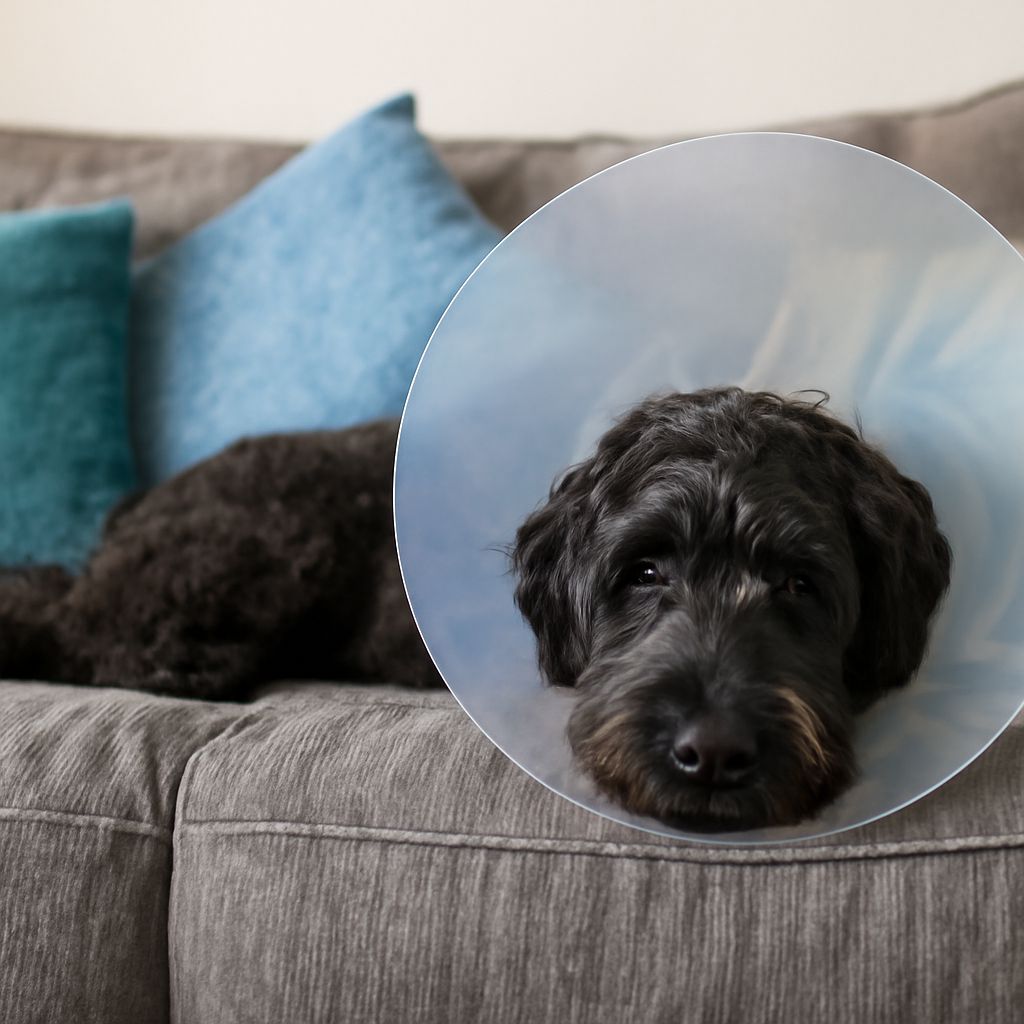
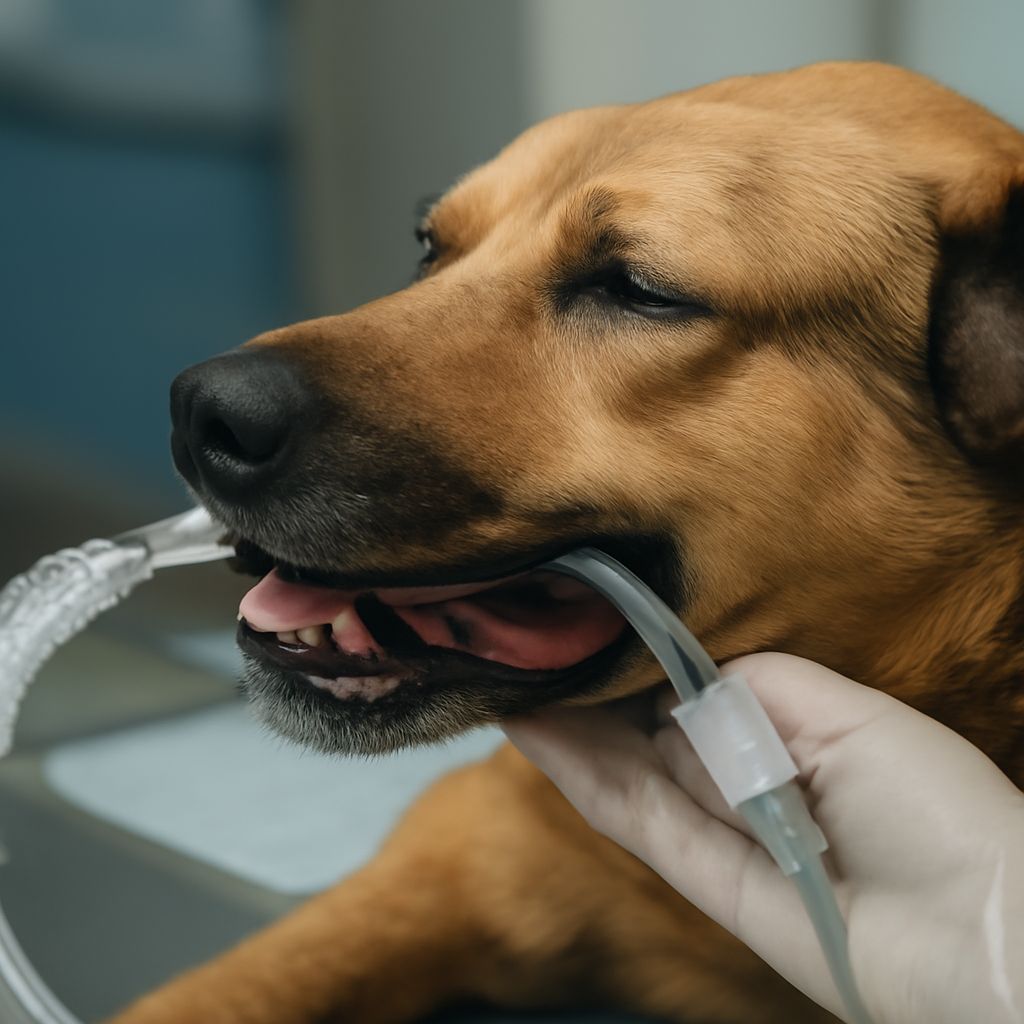
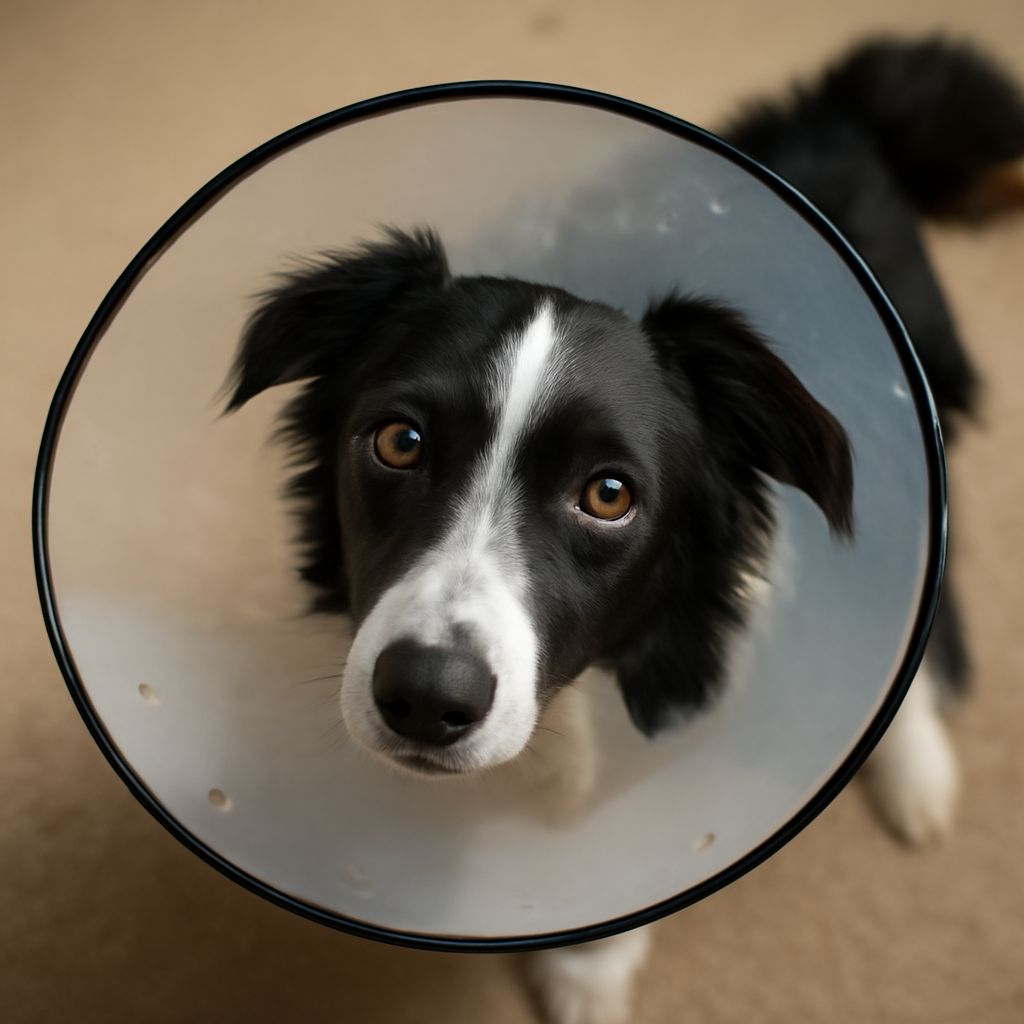
Pre-surgical blood panels assess organ function and anesthetic risk. Dogs with kidney disease, heart conditions, or clotting disorders need modified protocols. Fasting before anesthesia is standard — typically 8 to 12 hours for adults. Post-operative care varies by procedure but almost always includes restricted movement, pain management with prescribed medications, and follow-up exams.
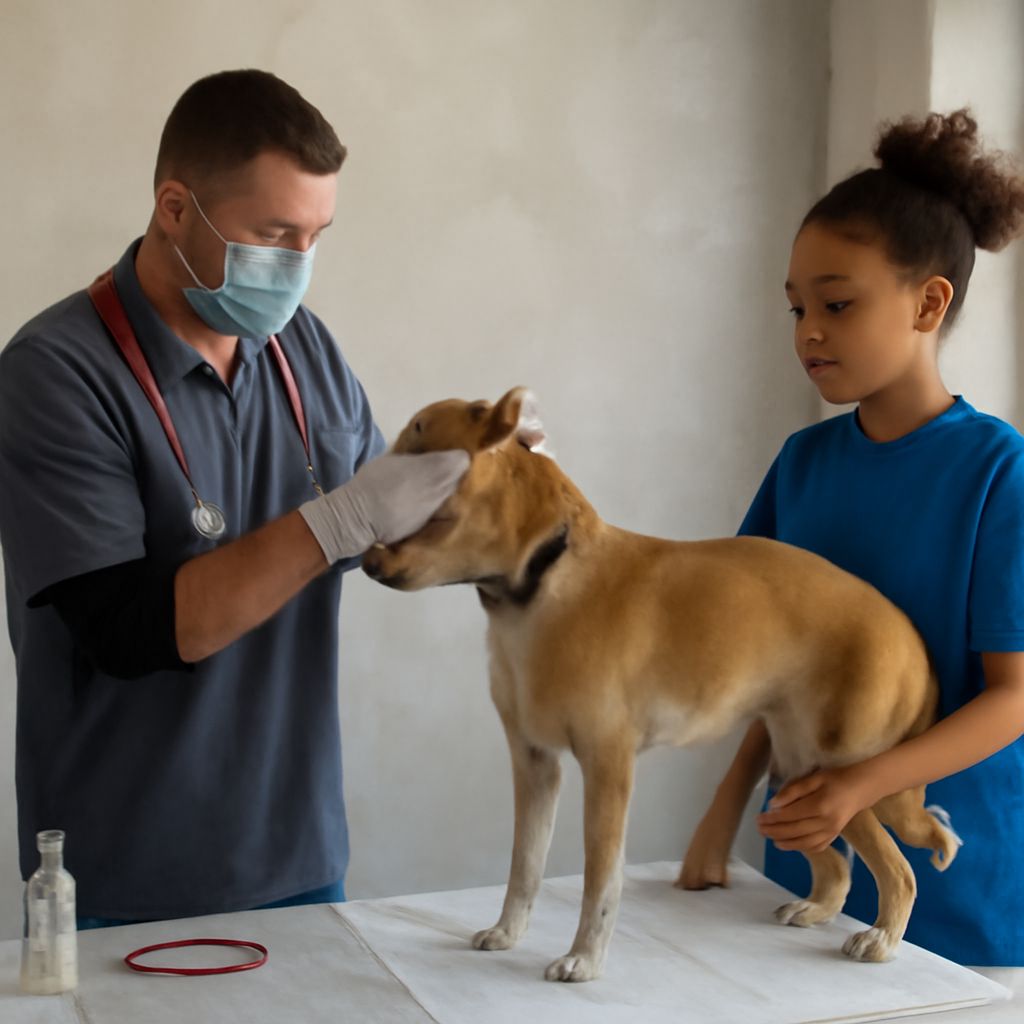
Veterinary surgical specialists — diplomates of the American College of Veterinary Surgeons — handle complex orthopedic, thoracic, and soft tissue cases. Your regular vet can perform many routine procedures, but for operations like knee reconstruction or eyelid correction in brachycephalic dogs, a referral to a specialist improves outcomes significantly.
Key takeaways: Dog knee surgery requires weeks of structured rehabilitation, not just rest. Ear and eyelid corrections address anatomy, not just symptoms. Any surgical decision should follow a detailed conversation with your veterinarian about risk, recovery time, and realistic outcomes for your individual dog.