Moss Ball Pet: Marimo Care, Rope Toys, and What Pet Moss Actually Is
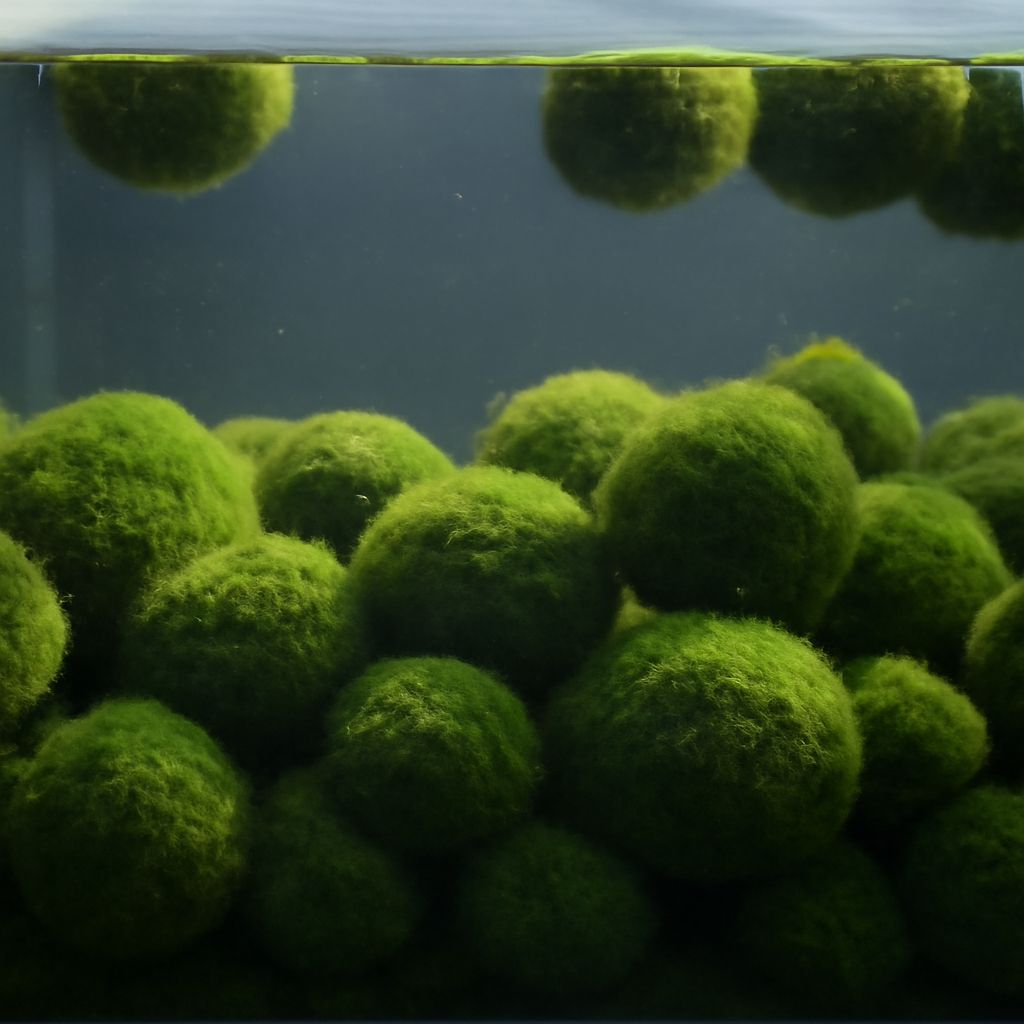
A moss ball pet is one of the most misunderstood items sold in pet stores. Many buyers think they’re purchasing a plant in the traditional sense — something that needs soil, sunlight, and careful attention. In reality, a moss ball is a form of algae called Cladophora aegagropila, commercially known as marimo, that grows naturally in spherical shapes in cold freshwater lakes. They are algae balls, not true moss — and knowing that distinction changes how you care for them.
Pet moss, as it’s often called in aquarium retail, thrives in cool water with indirect light. The moss ball pets sold in stores can live for decades with minimal care. A rope ball dog toy, while it shares the word “ball,” is an entirely separate product — a knotted cotton or nylon toy for dogs to chew and tug. And the marimo pet category, which overlaps with desktop aquarium culture, attracts owners who want something low-maintenance but genuinely alive.
How to Care for Moss Ball Pets
Water and Temperature Requirements
Marimo originate from cold-water lakes in Japan, Iceland, and Scotland. They do best in water between 60 and 76 degrees Fahrenheit. In warmer climates or during summer months, keeping a small fan running near the tank or adding a chiller helps. Tap water is generally fine once dechlorinated. Change 25 to 30 percent of the water weekly to keep nitrates low and prevent algae discoloration.
Light and Shape Maintenance
Moss ball pets need indirect light — direct sunlight causes brown patches and algae imbalance. Near a north or east-facing window works well. Rotate the marimo every few days so all sides receive equal light exposure, which maintains their round shape. If yours goes flat on one side, gentle rolling between your hands in cool water restores the sphere.
Moss Balls in Dog Toy Contexts
The phrase “rope ball dog toy” leads some people to search for moss ball toys for dogs — these are not related. A rope ball toy for dogs combines braided rope with a ball core, creating a toy suited for fetch, tug, and chewing. Cotton rope versions are safer than synthetic materials for dogs that shred toys, since natural fibers are less likely to cause intestinal blockage if swallowed in small amounts. Always supervise play with any rope toy and replace it when the strands begin to separate significantly.
Building a Marimo Pet Display
Marimo work well in minimalist aquarium setups. A clear glass container, small pebbles or sand as substrate, a single marimo or a group of pet moss balls, and a few snails or aquatic shrimp creates a low-maintenance living display. Dragon stones or driftwood add visual interest without affecting water chemistry significantly. These micro-aquariums require no filtration if stocked lightly and maintained with weekly water changes.
Groups of marimo are sold as “marimo families” in some shops. Placing three or four together in one vessel creates a more dynamic-looking display and aligns with how they appear naturally in lake environments.
Bottom line: Moss ball pets are algae, not plants, and they’re among the lowest-maintenance living things you can keep. Marimo thrive with cool water, indirect light, and weekly changes. If you want a physical ball toy for a dog, a rope ball dog toy is the right search — the two categories only share a shape, not a function.