Reptile Pets: Choosing, Keeping, and Understanding Life with a Reptile
Reptile pets attract a specific kind of owner — someone who appreciates an animal that doesn’t demand constant interaction, responds to careful husbandry rather than affection, and offers a genuinely different experience from mammals. The assumption that reptiles are easy starter pets for children is one of the most persistent myths in the hobby. Pet reptiles have precise environmental needs: specific temperature gradients, humidity ranges, UV lighting, and dietary requirements that vary by species. Getting these right is the difference between a thriving animal and a sick one.
Reptiles as pets span a wide range of care levels. A corn snake and a chameleon are both reptiles, but their needs are almost entirely different. A reptile pet suited for a first-time keeper looks nothing like the setup required for an advanced species. Understanding this range before purchasing a pet reptile saves money, reduces frustration, and improves outcomes for the animal.
Best Beginner Reptile Pets
Corn Snakes and Ball Pythons
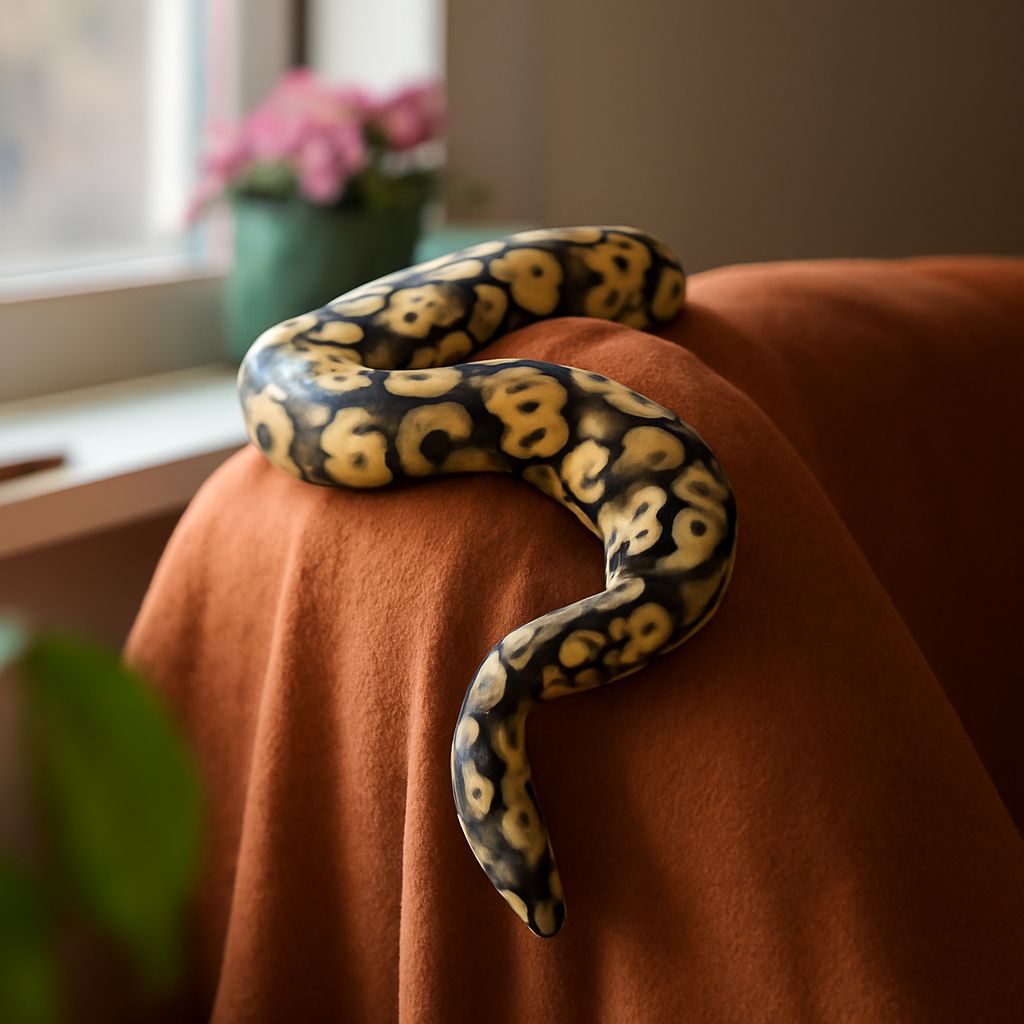
Corn snakes are widely considered the top beginner reptile. They tolerate handling well, eat pre-killed or frozen-thawed mice reliably, and thrive in a simple enclosure with a warm side around 85°F and a cool side around 75°F. Ball pythons are similarly forgiving, though they occasionally go through feeding strikes that last weeks — a behavior that alarms new owners but is usually harmless in healthy animals. Both species live 15 to 25 years, which is a significant commitment many buyers underestimate.
Leopard Geckos and Bearded Dragons
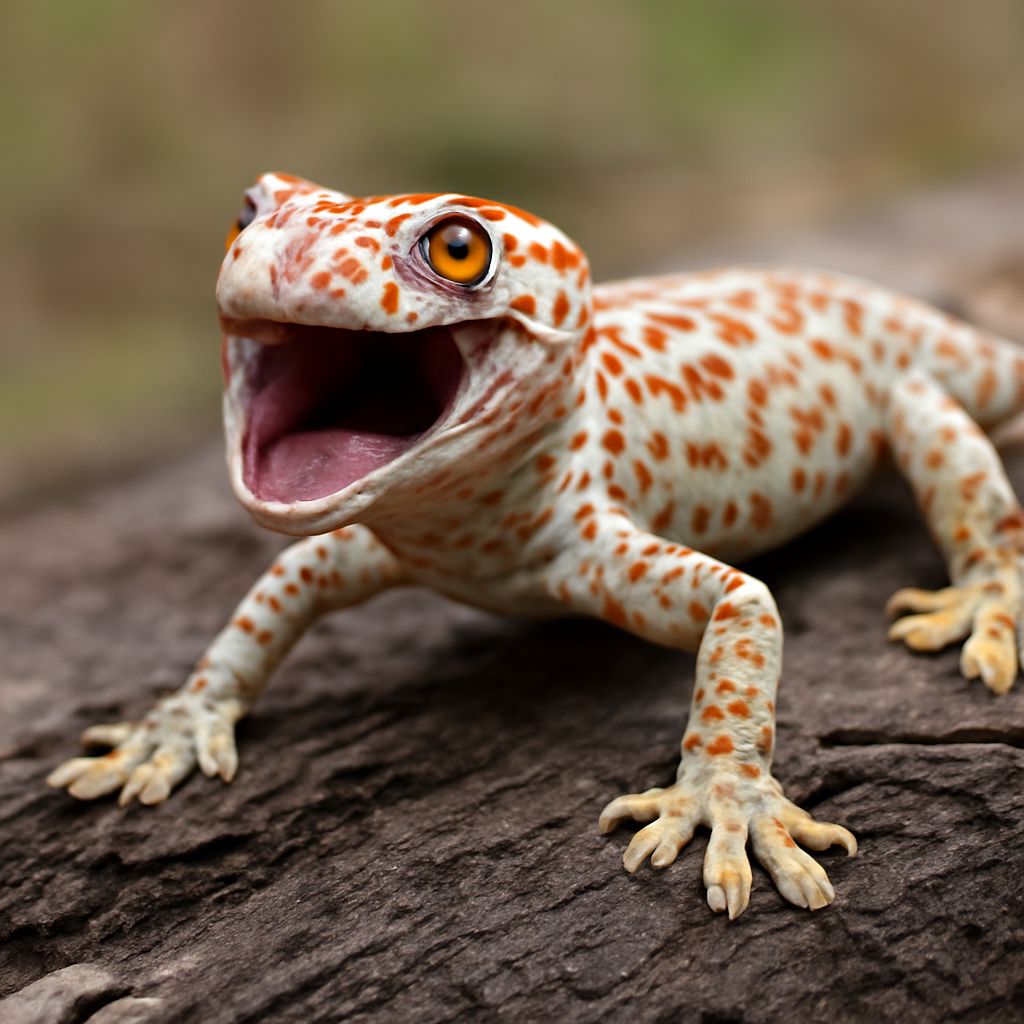
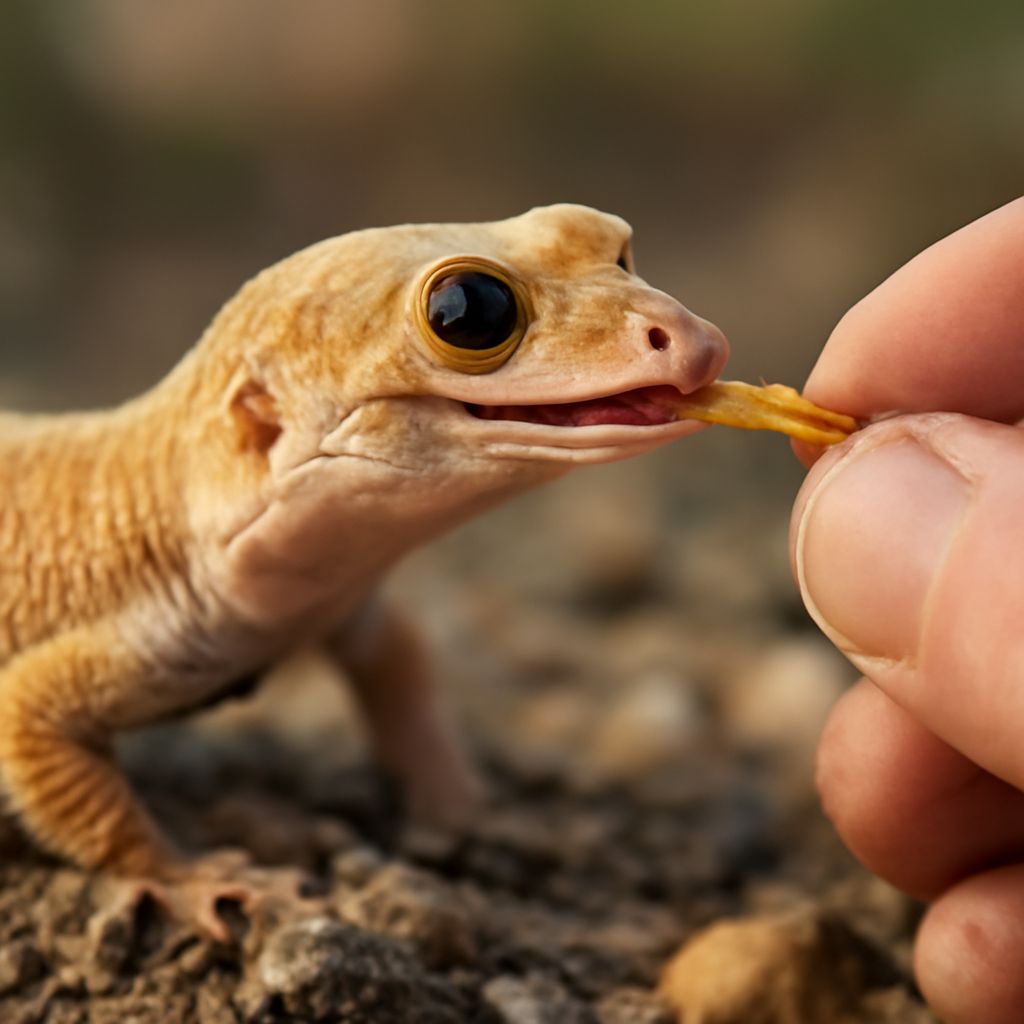
Among lizards, leopard geckos have a well-earned reputation as excellent beginner reptile pets. They’re small, don’t require UV lighting, and tolerate a modest tank setup. Bearded dragons are larger and need more space, full-spectrum UV-B lighting, and a varied diet of insects and leafy greens — but they’re also notably social for lizards and often enjoy time outside their enclosure.
Enclosure and Husbandry Basics
The enclosure is the highest-stakes investment for any reptile pet. Size, temperature control, humidity management, and lighting must match species requirements exactly. Common mistakes include:
- Using an enclosure that is too small — most beginners undersize
- Relying on under-tank heaters alone without a temperature gradient
- Skipping UV-B lighting for species that require it, such as bearded dragons and tortoises
- Using incorrect substrate — loose particle substrates cause impaction in small lizards
A digital thermometer with probes placed at both the warm and cool ends of the tank is a basic requirement, not an optional upgrade. Guessing temperatures by feel leads to sick animals.
Long-Term Considerations for Reptiles as Pets
Reptile ownership carries responsibilities that extend well beyond setup. Veterinary care from a reptile-experienced exotic vet matters — not all vets treat reptiles, and those who do require additional training. Exotic vet costs run higher than standard dog and cat appointments.
Lifespan is another factor. Ball pythons regularly live 30 years in captivity. Tortoises often outlive their owners. A pet reptile is not a short-term commitment, and prospective owners should research adult size, feeding costs, and veterinary availability in their area before purchasing.
Bottom line: The best reptile pets for beginners are species with stable feeding behavior, moderate space requirements, and broad temperature tolerance. Research the specific animal before buying, invest in proper enclosure equipment from the start, and locate an exotic-experienced veterinarian before you need one.