Dog Pool Options: Finding the Right Swim Setup for Your Dog
Most people assume any backyard pool is fine for dogs, but standard in-ground pools create real risks: slippery edges, no easy exit points, and chemical levels calibrated for humans, not pets. A dog pool designed specifically for canine use addresses these safety issues from the start. The right pool depends on your dog’s size, swimming ability, and how frequently you plan to use it.
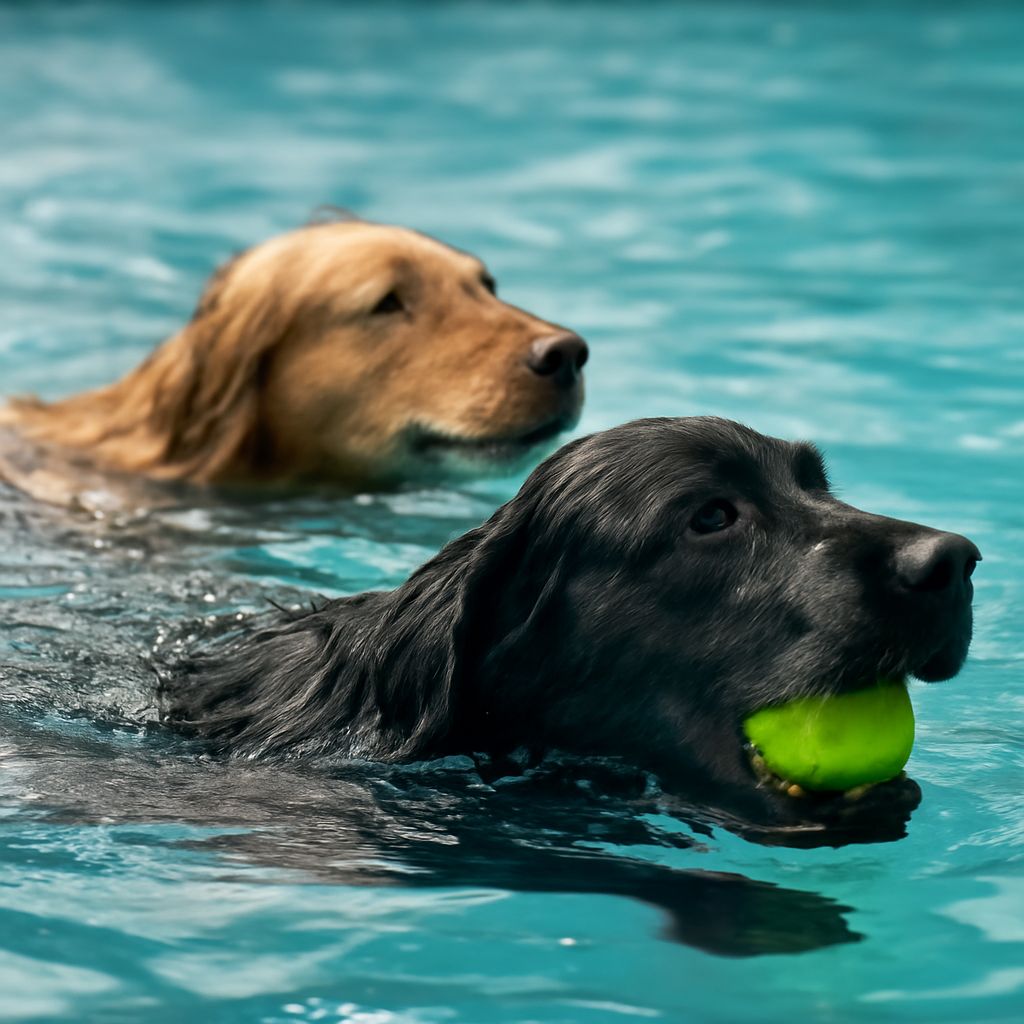
Dog pools come in a wide range of styles, from simple collapsible tubs to reinforced above-ground pools built for larger breeds. Dog swimming pool options range from compact splash pads for small dogs to deeper rectangular pools for breeds like Labs and Golden Retrievers. Dog swimming pools with non-slip floors and low entry points reduce the risk of joint stress and accidental drowning. Pet pools overall are a growing category — and not all of them are equal in durability or safety.
Types of Dog Pools and What They Work Best For
Inflatable and Collapsible Pools
Inflatable dog pools are lightweight, portable, and easy to store. They work well for small to medium dogs and for owners who want a seasonal option that folds away in winter. Most have smooth PVC interiors that can be punctured by sharp nails — trim your dog’s nails before use. Capacity typically ranges from 30 to 120 gallons. These pools drain quickly, which makes cleanup straightforward. They are not built for vigorous splashing from large or powerful breeds.
Hard-Sided and Rigid Pools
Rigid dog swimming pools are more durable and hold their shape under rough use. Metal stock tanks — historically used for livestock — have become popular pet pools for large breeds because of their depth, durability, and low cost. They require a stable, level surface and cannot be moved easily once filled. Some owners add a ramp or steps to help dogs enter and exit without straining joints. This is especially important for senior dogs or dogs with arthritis.
Safety and Maintenance Tips
Always supervise dogs in water, regardless of how confident a swimmer they are. Brachycephalic breeds — Bulldogs, Pugs, Boxers — tire quickly in water and can drown in shallow pools. Keep swim sessions short: five to ten minutes for beginner swimmers, up to 20-30 minutes for experienced dogs. Watch for signs of fatigue: slower paddling, low body position in the water, or distress vocalizations.
Drain and refill a dog pool every one to two days. Standing water grows algae and bacteria quickly, especially in warm weather. Do not add chlorine at human-pool concentrations — a very diluted amount is sometimes used in large pool setups, but plain fresh water is better for short-session pools. Rinse your dog after swimming to remove any residue and check ears for moisture, which can lead to infections in floppy-eared breeds.
For dogs that are new to swimming, introduce the dog swimming pool gradually. Let the dog approach and sniff the pool before adding water. Fill it shallowly at first and allow the dog to step in on its own terms. Forcing a dog into water creates fear associations that are hard to undo. Patient introduction produces a dog that genuinely enjoys the water rather than tolerates it.