My Dog Is Scared of Everything: Building Confidence in Fearful Dogs
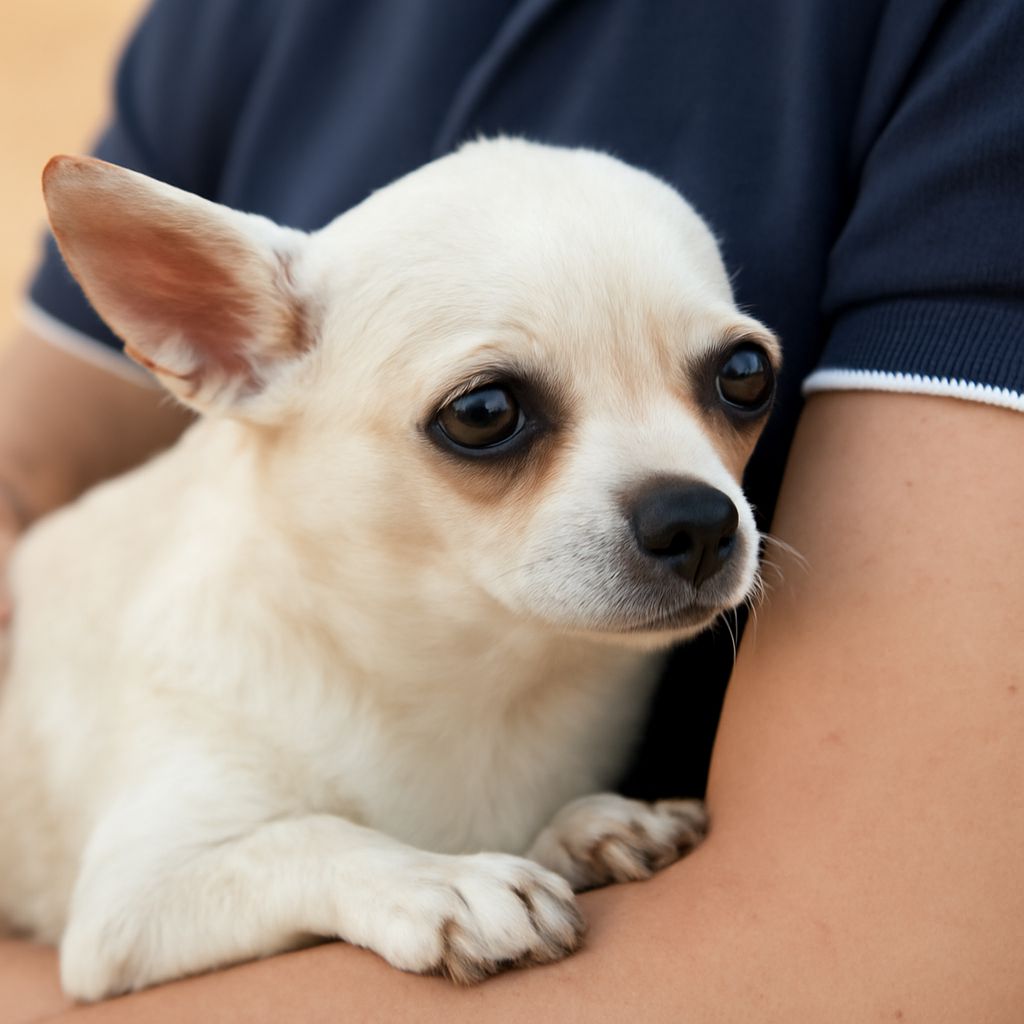
Living with a fearful dog is demanding, and the instinct to reassure and comfort an anxious animal can actually reinforce the fear if done incorrectly. When owners say “my dog is scared of everything,” they are describing a dog that reacts with freeze, flee, or defensive behaviors to ordinary stimuli that other dogs ignore. Knowing how to get a scared dog to trust you starts with understanding that trust is earned incrementally, not given through affection alone. A dog scared of cat in the household faces a specific trigger that needs structured management. How to help a fearful dog gain confidence is a process measured in weeks and months, not days. How to get a dog to pass an object it fears requires desensitization and counter-conditioning, two techniques that require patience and consistency.
Fear in dogs has both genetic and environmental components. Some breeds are more anxiety-prone by nature. Dogs that missed socialization during the critical window from 3 to 14 weeks often develop persistent wariness. Early trauma compounds this. None of these factors make the dog untrainable, but they do mean recovery takes longer.
How to Build Trust with a Scared Dog
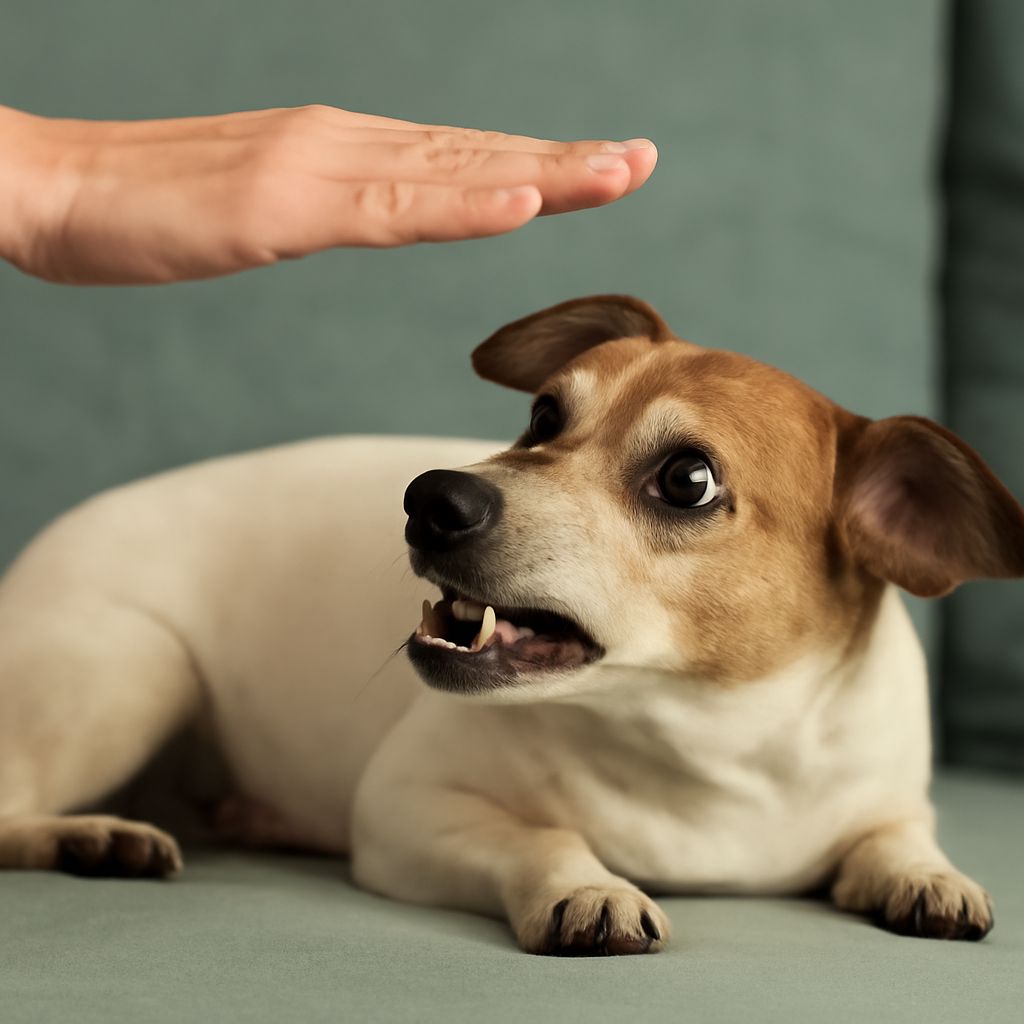
Building trust with a fearful dog starts with removing pressure. Move slowly, avoid direct eye contact during initial interactions, and let the dog approach you rather than moving toward the dog. Crouching sideways is less threatening than standing square over a small or frightened animal. High-value food rewards delivered without reaching over the dog create positive associations quickly.
Routine reduces a fearful dog’s overall anxiety load. Predictable feeding times, consistent walk routes, and stable household patterns allow the dog to relax because it knows what to expect. Surprises, however minor, can set progress back. Introduce changes gradually when they are unavoidable.
For dogs with severe fear responses, consult a certified professional dog trainer with experience in fear and anxiety cases, or ask your veterinarian for a referral to a veterinary behaviorist. Some dogs benefit from short-term pharmaceutical support during the training period to reduce baseline anxiety enough to learn.
Managing a Dog That Is Scared of Cats
A dog frightened by cats in the household is often overlooked because the assumption is that cats are prey, not threats. In reality, some dogs are genuinely intimidated by cats, particularly cats that swipe, hiss, or chase. A dog that cowers, freezes, or hides from a resident cat is experiencing real fear, and forcing proximity makes it worse.
Separate the animals initially. Create a cat-free zone where the dog can rest without monitoring for the cat’s location. Use gates or separate rooms to control access. Gradual exposure through a barrier, such as a baby gate with a cat flap, allows both animals to observe each other without direct contact. Pair the dog’s view of the cat with high-value treats to build a new association. Over time, the dog learns that the cat’s presence predicts good things rather than unpredictable contact.
Desensitization: Getting a Dog Past a Feared Object
When a dog refuses to pass or approach a specific object such as a bin, umbrella, or piece of garden equipment, desensitization is the most effective approach. Start by placing the object at the greatest distance at which the dog notices it but does not react strongly. Reward calm behavior at that distance. Gradually decrease the distance over multiple sessions, always keeping the dog below the threshold where the fear response takes over.
Never force a scared dog toward a feared object. Flooding, or forcing exposure without allowing escape, worsens fear and damages trust. Progress through small, repeated steps. With consistency, most dogs learn that previously scary objects are neutral.
Bottom line: Fearful dogs need patient, structured support rather than reassurance alone. Professional guidance is a sound investment for significant fear cases, and consistency in training and routine produces lasting improvement over time.