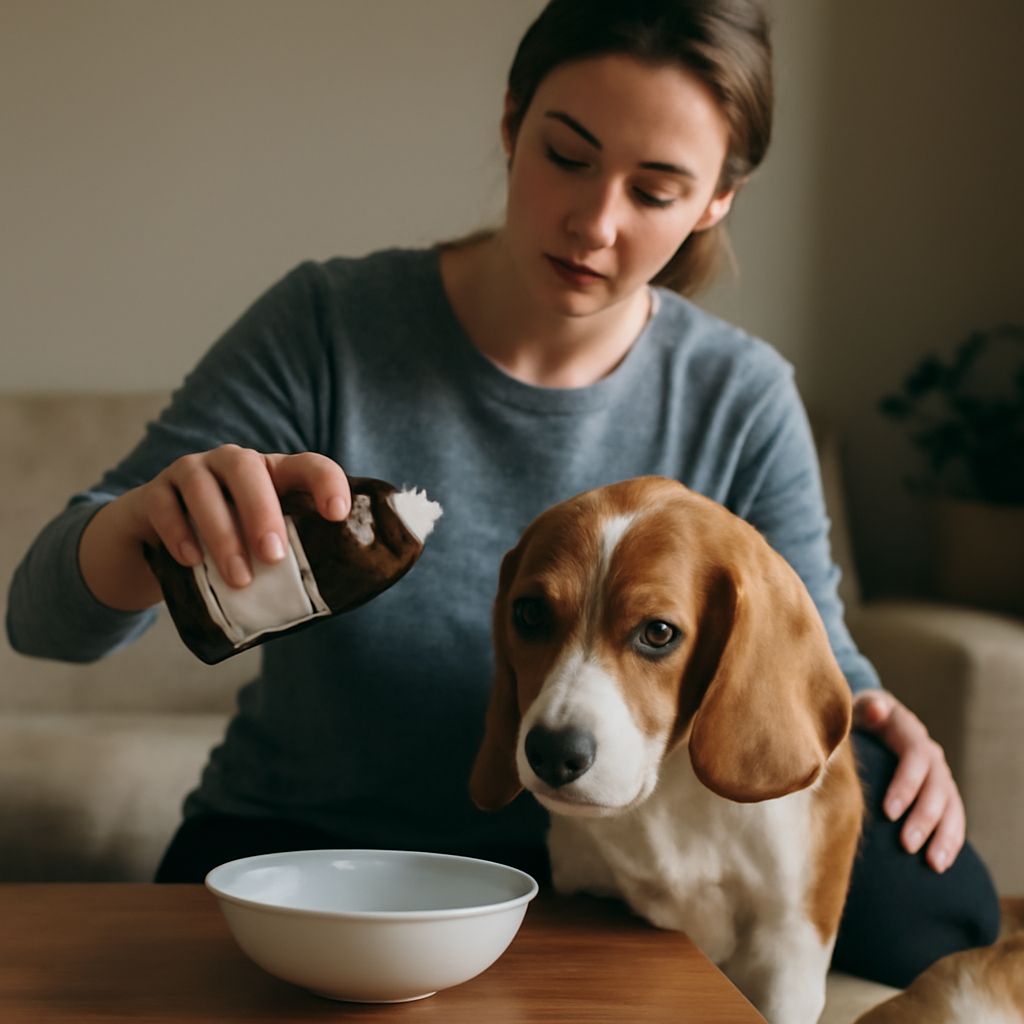
Hydrogen Peroxide to Make Dog Vomit: What Vets Actually Say
When a dog swallows something dangerous, the instinct to act fast is understandable. Using hydrogen peroxide to make dog vomit has been a home remedy passed around for decades, and some veterinary guidelines have recommended it in specific circumstances. But the full picture is more complicated. Whether hydrogen peroxide dog vomit induction is appropriate depends on what was swallowed, how much time has passed, and the dog’s health status — factors that cannot be assessed without professional guidance.
Peroxide to make dog vomit can cause serious side effects including hemorrhagic gastroenteritis, esophageal damage, and aspiration pneumonia. Certain toxins — like bleach, sharp objects, or caustic household chemicals — become more dangerous if vomited. Before reaching for the bottle, call the ASPCA Animal Poison Control Center (888-426-4435) or your vet. They will tell you whether how much peroxide to make dog vomit is even the right question to be asking. For many situations, it is not. Peroxide dog vomit induction at home has real risks that need to weigh against the specific substance ingested.
When Vets Use Hydrogen Peroxide
Substances Where It May Be Appropriate
Vets occasionally recommend 3% hydrogen peroxide for dogs that have ingested non-caustic toxins recently — typically within 30 to 60 minutes. Examples include xylitol-containing foods (gum, some peanut butters), grapes, raisins, certain medications, and some rat poisons. In a clinical setting, vets use the drug apomorphine instead, which is faster, more effective, and safer. At home, hydrogen peroxide is a fallback when emergency vet access is truly not available.
Substances Where It Is Contraindicated
Never use peroxide to induce vomiting if the dog swallowed corrosives (acids, alkalis, bleach), sharp objects, petroleum products, or if the dog is already unconscious, seizing, or having difficulty breathing. These situations require emergency veterinary care immediately, not home treatment.
The Standard Dosage and Method
If a vet or poison control explicitly authorizes use, the standard recommendation is 1 teaspoon (5 ml) of 3% hydrogen peroxide per 10 pounds of body weight, with a maximum of 3 tablespoons for dogs over 45 lbs. Only use 3% concentration — higher concentrations cause severe internal burns. Administer with a syringe or turkey baster, keep the dog moving to help the solution work, and wait up to 15 minutes. Do not repeat more than once if vomiting does not occur. Take the dog to a vet regardless of whether vomiting occurs, so the animal can be evaluated and treated further if needed.
Even when vomiting is successfully induced, dogs typically expel only 40–60% of stomach contents. A vet may administer activated charcoal afterward to bind remaining toxins.
Safer Alternatives
Emergency vet clinics and animal poison control hotlines are the correct first contact for any suspected ingestion. In a true emergency, they can guide you while you travel to the clinic. Many ingestions that owners assume require immediate vomiting are better handled with monitoring, activated charcoal, or IV fluids — treatments only a vet can safely provide. Knowing the dog’s weight, the substance ingested, the amount, and the time since ingestion gives the vet or hotline the information they need to guide the response effectively.