Dog Shower Guide: How to Set Up a Safe and Easy Home Pet Spa
Many owners assume a dog shower has to be a stressful ordeal, but that belief sells short what a bit of preparation can do. A proper pet shower setup at home cuts bath time significantly and keeps your dog calmer throughout the process. You already have most of what you need. Adding a pet shower hose attachment, a dog shower cap for the ears, and a few safety mats turns any tub into a functional home pet spa without a salon price tag.
Getting the routine right matters more than the equipment. One exact match for each term in context: a dog shower works best with warm, not hot, water; a pet shower routine builds trust over time; protect those ears with a dog shower cap; control the rinse with a pet shower hose; and your dog will start to associate bath time with the comfort of a home pet spa.
Choosing the Right Equipment for Bathing Your Dog at Home
Shower Attachments and Hoses
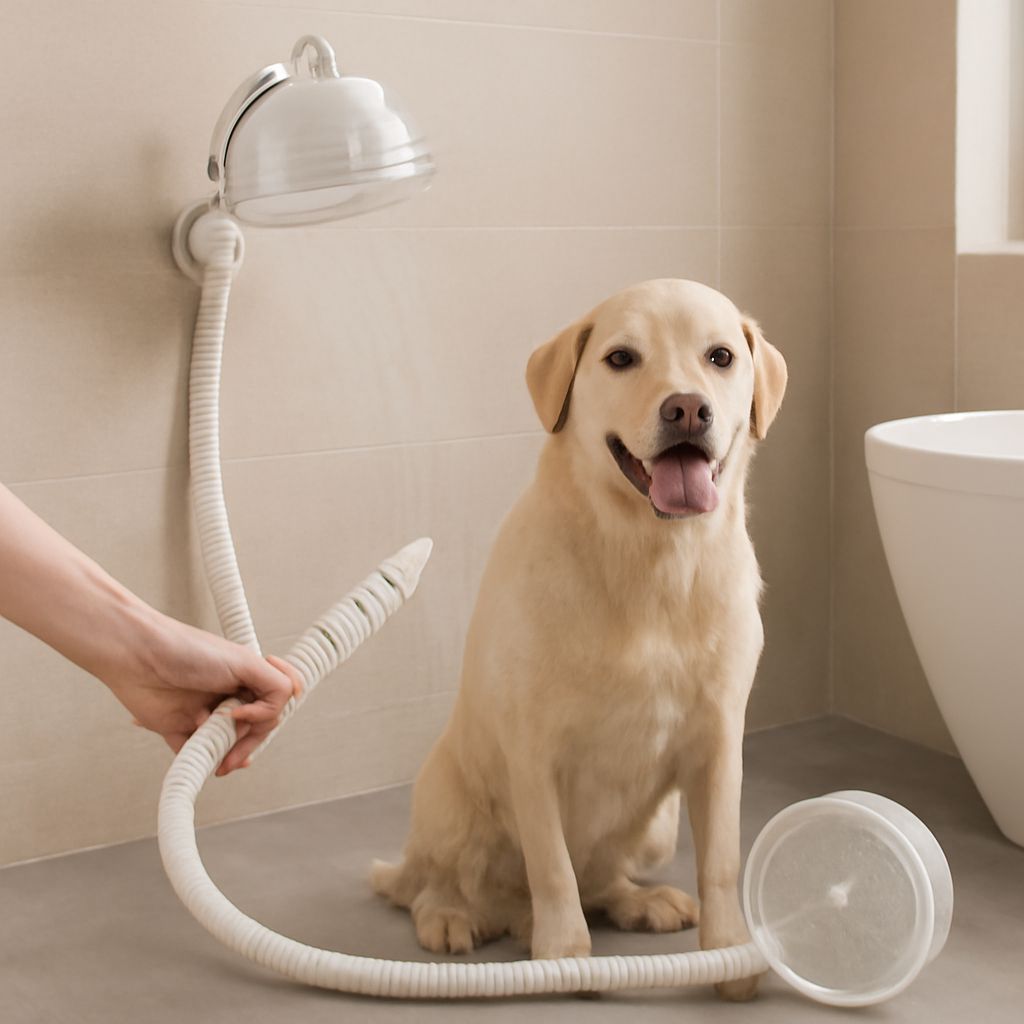
A handheld sprayer is the single most useful upgrade for canine bathing. Standard showerheads direct water at odd angles and create pressure that unsettles most dogs. A dedicated rinsing hose gives you control over direction and flow, letting you work shampoo out of the undercoat without soaking the dog’s face. Look for models with adjustable spray patterns; a gentle mist setting works well on short-coated breeds, while a stronger flow moves through dense coats faster.
Some sprayers clip directly onto a standard faucet, which suits owners who bathe their dogs in a bathtub rather than a walk-in shower. Others connect to the showerhead arm. Either type simplifies rinsing compared with a simple cup method and reduces the total water used per wash.
Ear Protection During Baths
Water in the ear canal is one of the more common causes of outer ear infections in dogs. A silicone or soft fabric ear cover sits over each ear during the wash and stays in place with a light seal. It is far easier to use than cotton balls alone, which shift and absorb water rather than block it. Floppy-eared breeds such as Cocker Spaniels and Basset Hounds benefit most, though any dog with a history of recurring ear trouble should wear protection every bath. Remove the covers promptly once rinsing is done and wipe the outer ear flap dry with a clean towel.
Setting Up a Comfortable Bathing Space
A non-slip mat is non-negotiable. Dogs that feel unstable become anxious, and anxiety turns a bath into a wrestling match. Place a mat on the tub floor and, if your dog is large, a second one just outside the tub for the exit. Keep the water temperature close to the dog’s body temperature, around 38 to 39 degrees Celsius, to avoid chilling or overheating the coat.
Gather all supplies before the bath starts: shampoo, conditioner if needed, towels, the ear covers, and the hose attachment. Stopping mid-bath to find something means leaving a wet, soapy dog unattended, which rarely ends cleanly. A small caddy hung from the showerhead or faucet keeps everything within reach.
Building a Routine Your Dog Accepts
Consistency reduces resistance. Bathe your dog on the same day of the week and follow the same sequence: wet thoroughly, apply shampoo from neck to tail, lather, rinse from head to tail. Short positive sessions with high-value treats after the blow-dry reinforce that the bath is a safe event. Dogs accustomed to a predictable home grooming routine show less avoidance behavior at the vet’s grooming table as well.
Most healthy adult dogs need a full bath every four to six weeks. Dogs that swim frequently or spend time outdoors may need bathing more often, but overbathing strips the coat of natural oils and leads to dry, flaky skin. If your dog’s skin or coat condition changes markedly after baths, consult a licensed groomer or veterinarian to rule out an underlying skin condition.