Dog Lipoma Pictures: What They Look Like and Natural Shrinking Options
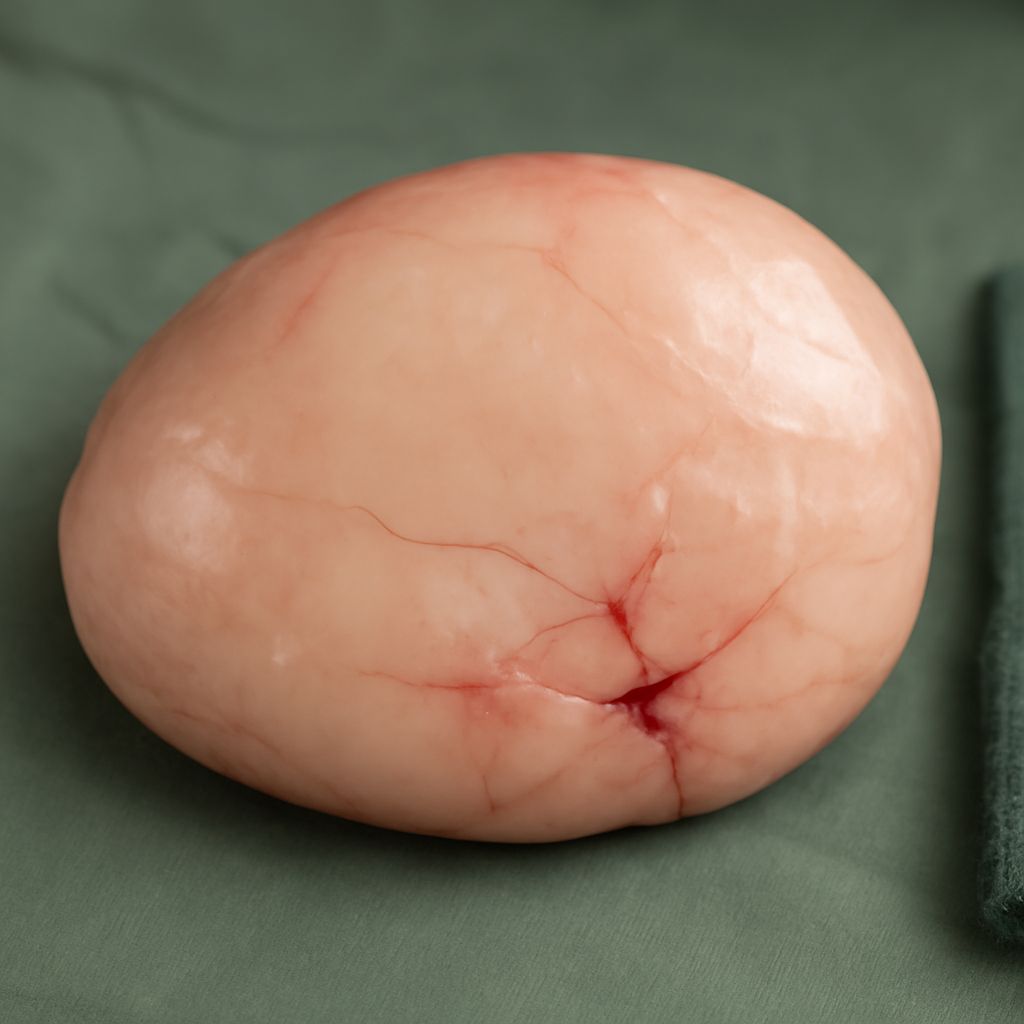
When owners spot a soft lump under their dog’s skin, panic often follows. Most assume the worst. The reality is that most of these lumps are benign fatty deposits, and dog lipoma pictures show they’re typically smooth, movable, and slow-growing. Knowing what a lipoma actually looks like helps you stay calm and make informed decisions.
Owners searching for how to shrink a dog lipoma naturally want real options, and several do show promise. At the same time, a fatty tumor on dog getting bigger is a signal to see your vet rather than wait. Meanwhile, how to train a dog to attack on command has no connection to lipoma management, though obedience training keeps a dog calm during vet exams. Understanding lipoma how to shrink in a dog starts with accurate identification.
What Do Dog Lipomas Actually Look Like?
Visual Characteristics of Fatty Tumors
Lipomas are soft, doughy lumps that move freely under the skin when pressed gently. In photos and in person, they sit just beneath the surface and feel distinctly different from firm muscle tissue. They appear most often on the chest, belly, and upper legs. Coat color and thickness can hide them, so running your hands across your dog during grooming is the best way to find one early.
When a Growing Fatty Lump Needs Attention
A fatty deposit on a dog that keeps enlarging, hardens, or attaches to underlying tissue is not a standard lipoma. A veterinarian should evaluate any lump that grows quickly or changes texture. Some growths that resemble lipomas turn out to be infiltrative lipomas, which do attach to muscle and require surgical removal. A dog’s body weight also affects fatty lump size, so obesity can make them grow faster.
Natural Approaches to Reducing Fatty Deposits
Diet and Weight Management
Reducing excess body fat is the most direct natural strategy for shrinking lipomatous tissue. Switching to a lower-fat, high-protein diet and reducing overall caloric intake can lead to noticeable size reduction in some dogs. This is the core of how to shrink a dog lipoma naturally, and it requires consistency over several months. Talk to your vet before changing your dog’s food, especially if other health conditions are present.
Supplements and Herbal Options
Some owners report success with fish oil, which provides omega-3 fatty acids that support fat metabolism. Turmeric, often given as a golden paste, has anti-inflammatory properties that may help. These are supportive measures, not cures. A holistic vet can guide specific dosing for your dog’s size and needs when exploring lipoma shrinkage options.
Physical Activity
Regular exercise burns stored fat throughout the body, including within fatty deposits under the skin. Daily walks, swimming, and structured play all contribute. For dogs with mobility issues, gentle activity adjusted to their ability still helps. Keeping a dog active is one of the most reliable natural methods for managing body composition and reducing fatty lumps over time.
Obedience Training and Vet Visits
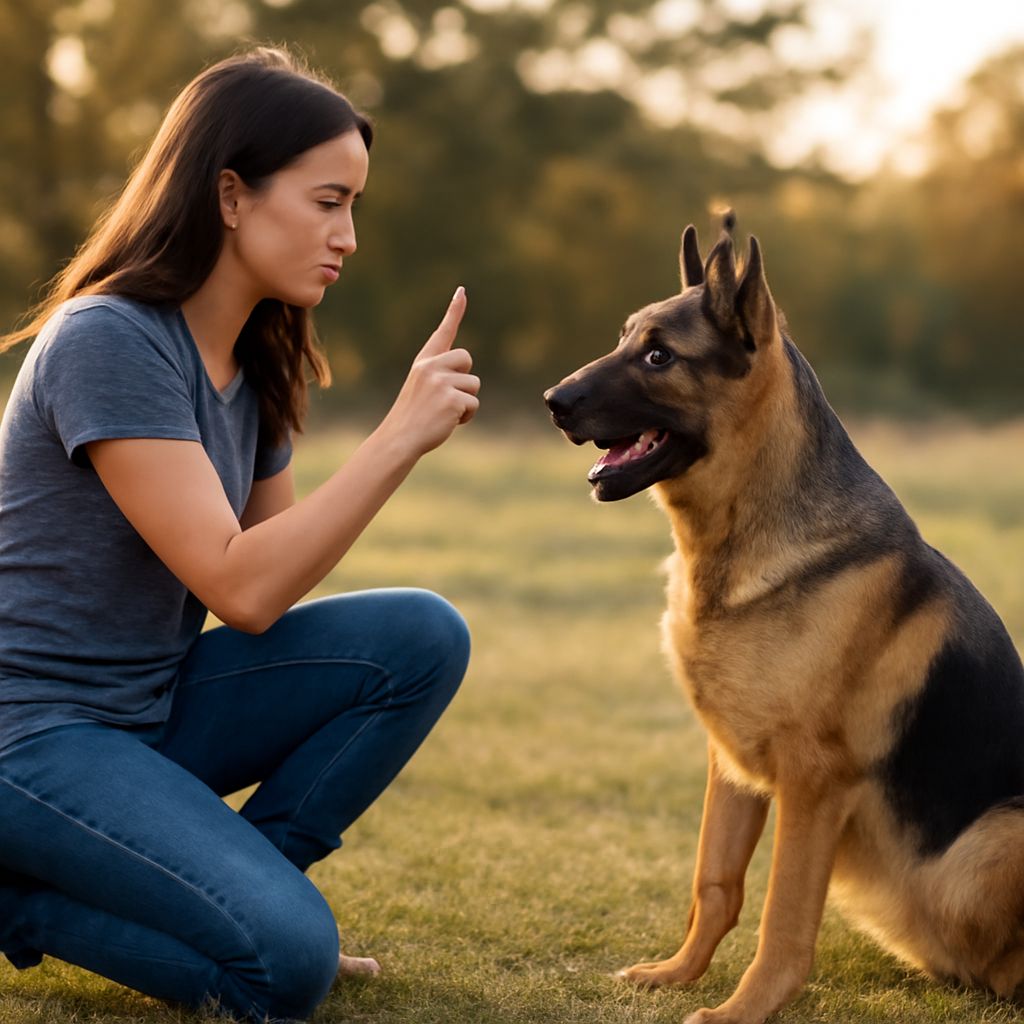
A well-trained dog sits still, accepts handling, and tolerates examination without stress. Teaching a dog to stay calm on command makes vet appointments easier and allows thorough palpation of any lumps. This is where the obedience angle ties in practically. Commands for attack or protection work are a separate specialty entirely, requiring professional trainers and are unrelated to health management.
Monitor any known lipoma monthly. Photograph it next to a ruler so you have a size record. If a lump becomes attached to deeper tissue, grows over two centimeters in a month, or causes your dog discomfort, book a veterinary appointment. Needle aspiration is a quick, low-cost procedure that confirms whether a lump is a benign fatty deposit or something requiring further investigation.