Dog Pee Pads Washable: Your Guide to Odor, Plants, and Pad Types
Disposable pads are convenient, but dog pee pads washable versions save money and reduce waste significantly over time. The common belief that reusable pads are less effective at controlling odor is not accurate. Modern washable pads use multiple absorbent layers that trap urine and reduce smell as well as, or better than, many disposable options. The key is washing them promptly after use.
What does dog pee smell like is a question with a straightforward answer: it contains ammonia compounds, urea, and bacterial byproducts that produce a sharp, acrid odor. Does dog pee kill plants is something many gardeners discover the hard way, especially on lawns. Does dog pee smell worse at certain times? Yes, when concentrated or left to sit. Dog urine smells like ammonia most strongly when the dog is dehydrated and the urine is highly concentrated.
Washable vs. Disposable Pads: What Actually Works
How Reusable Pads Are Constructed
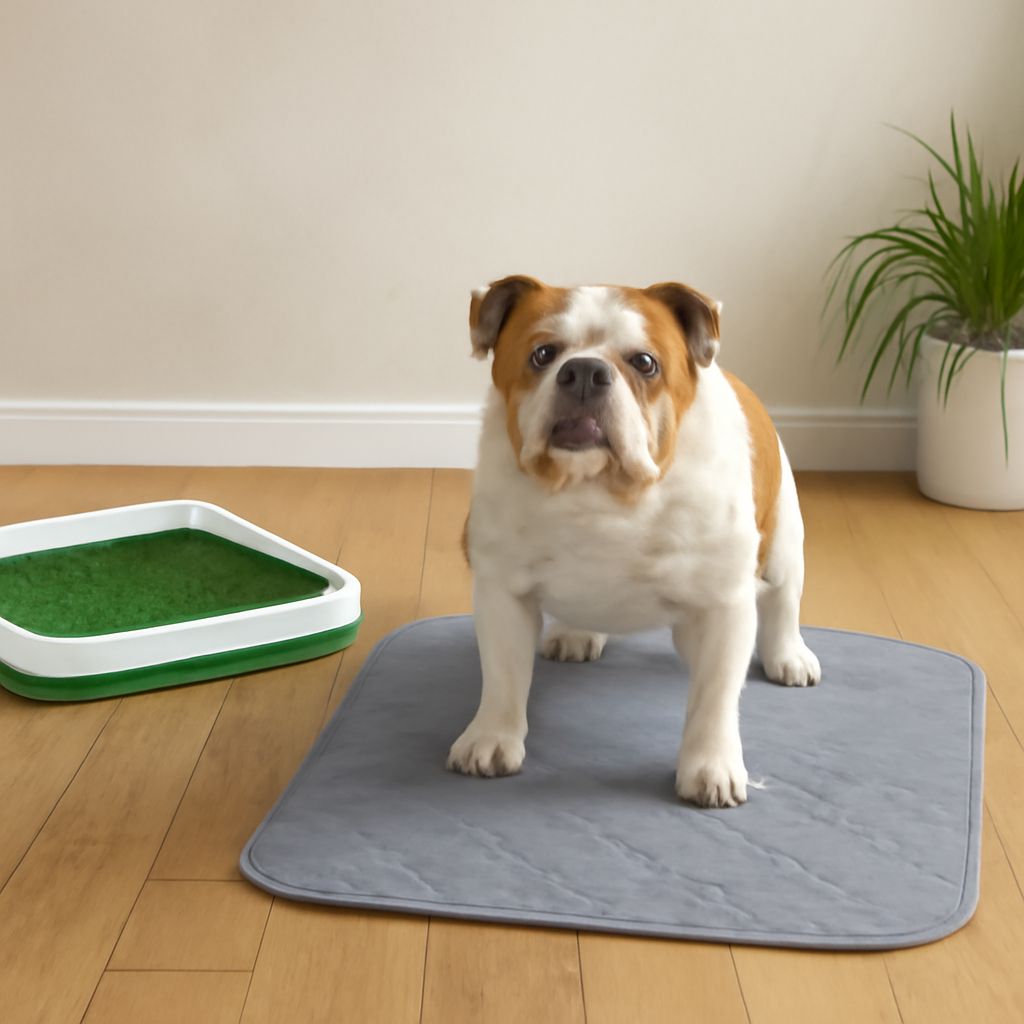
Quality washable pee pads use a top layer that wicks moisture away, a middle absorbent core, and a waterproof backing that prevents leakage onto floors. The top fabric stays relatively dry to the touch, which matters for dogs who refuse to use a wet pad. These pads handle multiple uses between washes. Washing in hot water with an enzyme-based detergent removes urine compounds and bacterial odor. Avoid fabric softener, which can clog the wicking layer.
Which Pad Size and Placement Works Best
Place pads in consistent locations your dog already gravitates toward when signaling the need to eliminate. Corner placements near doors work well for many dogs. Size matters: the pad should be large enough that your dog can step on it comfortably and turn around. Smaller dogs do fine with standard sizes, while large breeds need extra-large pads to avoid missing. Securing pads with a holder or non-slip backing keeps them in place and prevents the dog from sliding them around.
Does Dog Urine Damage Plants and Lawns?
Dog urine does kill grass and plants when concentrated in one spot. The nitrogen content is high enough to cause chemical burns, leaving brown patches even when surrounding lawn stays green. Encouraging your dog to use different areas reduces concentration damage. Watering the spot immediately after urination dilutes the compounds and limits lawn burn. Indoor plants in reach of a dog that eliminates near them will show leaf scorch or root damage over time.
Managing Urine Odor Indoors
The ammonia-like smell of concentrated dog urine penetrates porous surfaces like carpet and grout. Enzyme cleaners break down the uric acid crystals that standard cleaners cannot remove. Applying the cleaner generously, letting it sit for 10 minutes, and blotting rather than rubbing produces the best results. A dog that repeatedly returns to the same indoor spot is responding to residual scent, so thorough odor removal also works as a behavioral deterrent. If odor persists after cleaning, a UV light identifies remaining urine deposits.
For house training to stick, consistency matters as much as cleanup. Dogs learn faster when they are taken to the pad or outdoors on a regular schedule rather than whenever an accident occurs. Rewarding elimination in the correct spot reinforces the behavior. Dogs who are drinking enough water have more dilute, less pungent urine, so making sure fresh water is always available also reduces household odor over time.