Best Lizard Pets: Top Species for Beginner and Experienced Keepers
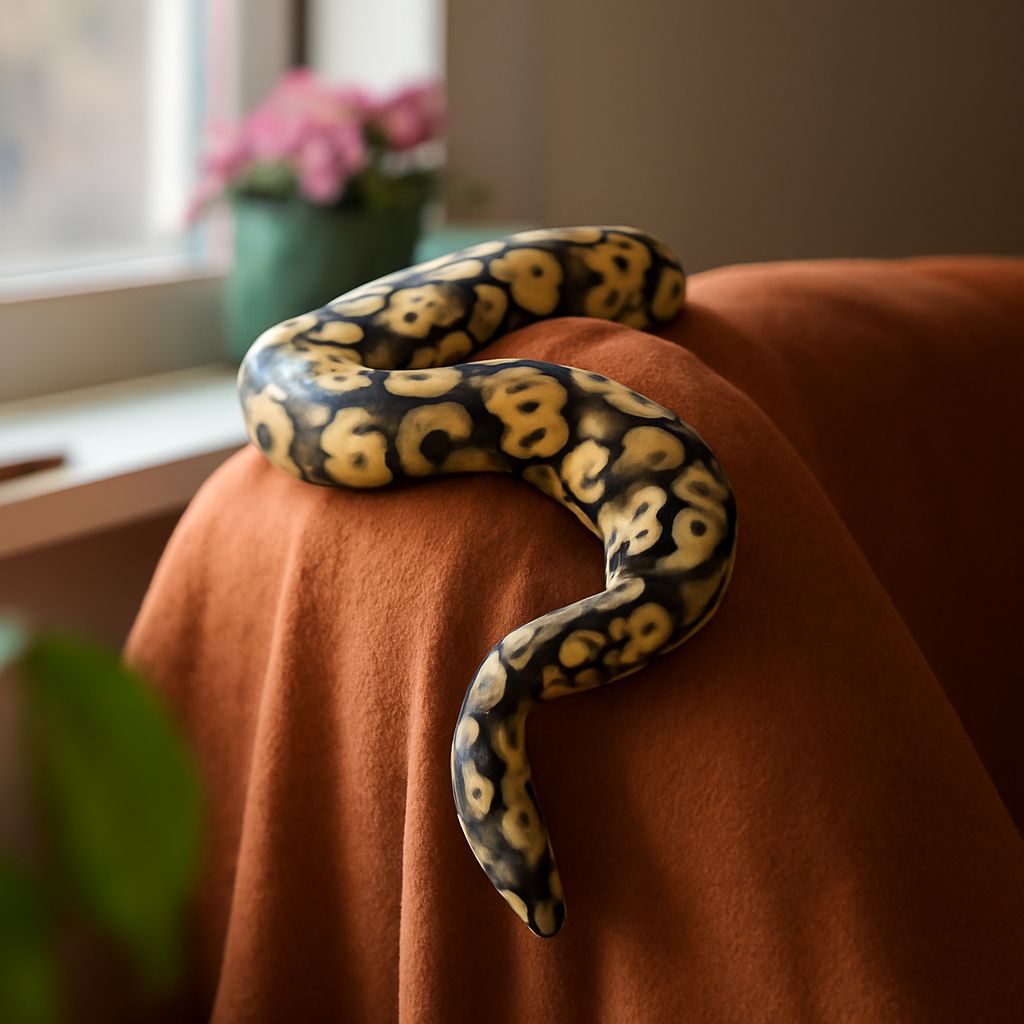
Choosing the best lizard pets comes down to more than looks. Temperament, space requirements, diet, and lifespan all factor in, yet most first-time reptile owners focus only on appearance. A legless lizard pet, for example, is often mistaken for a snake — it has no visible limbs but is a true lizard with different care needs and a more docile personality than most serpents.
This guide covers the top lizard options across skill levels, what realistic care looks like, and how to match a species to your lifestyle. One more thing to set straight: the best dog food for husky breed owners has nothing to do with reptile diets, and the best furnace filters for homes with pets matter for air quality but won’t substitute for a proper reptile enclosure with dedicated ventilation.
Top Lizard Species for Beginners
Leopard Gecko
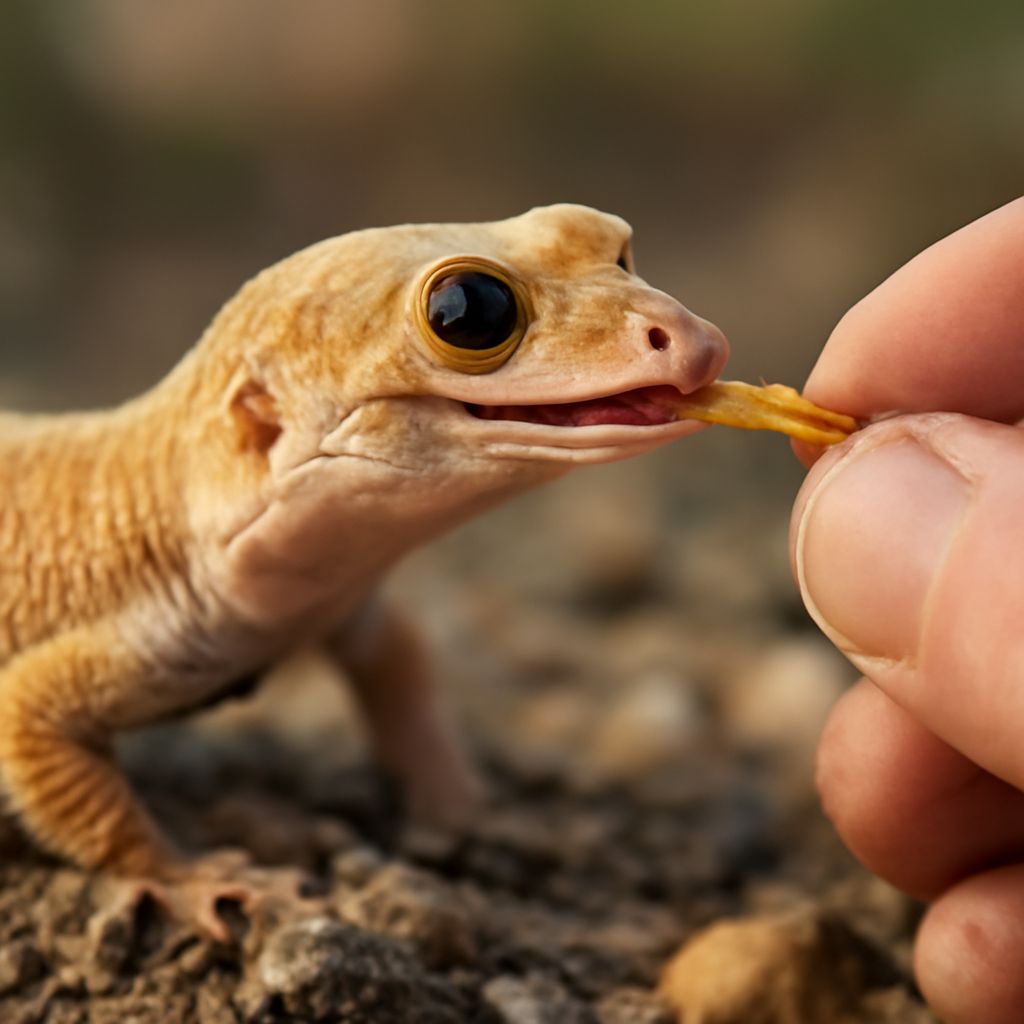
Leopard geckos top most beginner lists for good reason. They stay small (8–10 inches), tolerate handling well, and thrive on a simple insect diet of crickets and mealworms. They don’t require UVB lighting, which simplifies setup. A 20-gallon tank with a heat mat and two hides covers the basics. Lifespan runs 15–20 years with proper care, so this is a long commitment.
Bearded Dragon
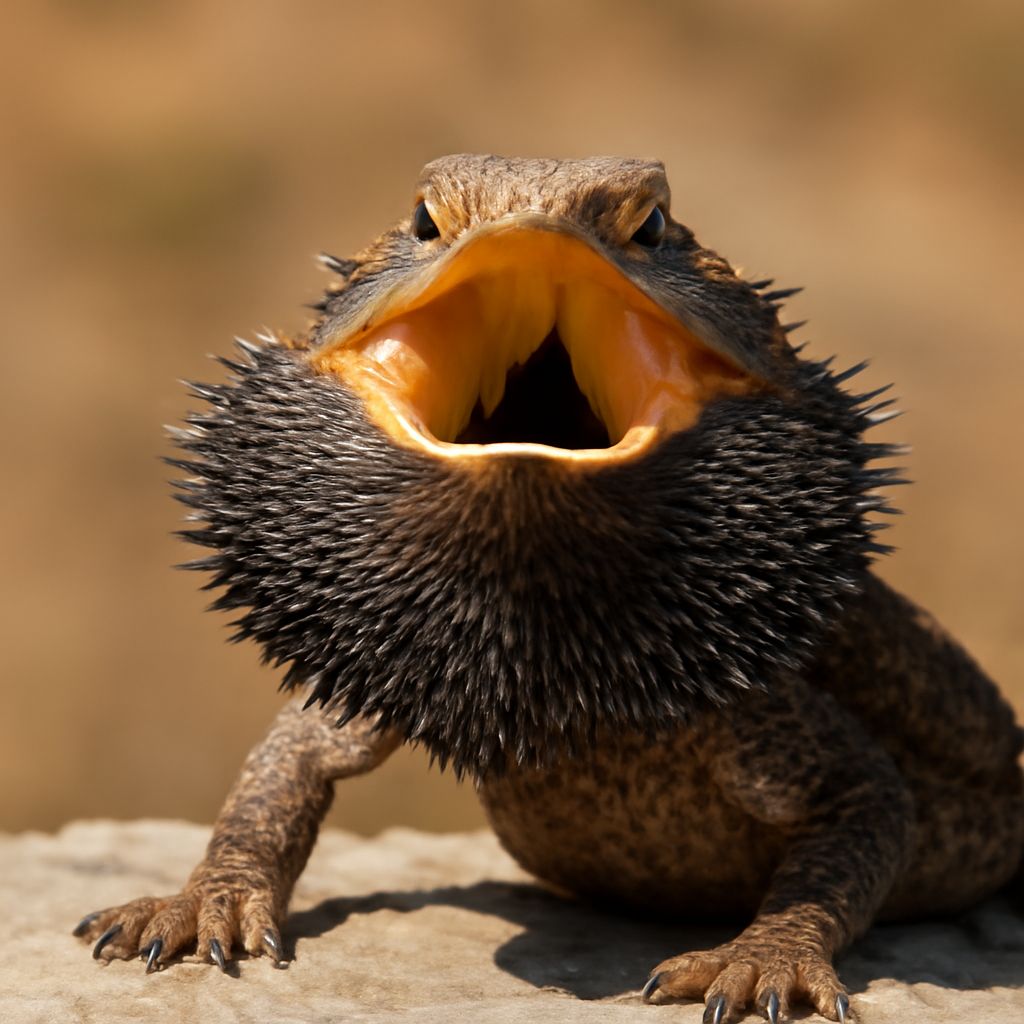
Bearded dragons are among the most sociable lizard pets available. They eat a varied diet of insects and leafy greens, bask under strong UVB bulbs, and genuinely seem to enjoy human interaction. Adults reach 18–24 inches and need a 120-gallon enclosure. They’re hardy and forgiving of minor husbandry mistakes, which makes them a reliable choice for new keepers.
Blue-Tongued Skink
The blue-tongued skink is a stocky, personable lizard that accepts handling readily and eats an omnivorous diet. They do well in 4x2x2 enclosures and are less demanding than many reptiles. Their striking blue tongue is a natural defense display, but captive skinks rarely use it defensively toward familiar handlers.
Intermediate Options
Chinese Water Dragon
Water dragons need tall, humid enclosures with climbing space and a water feature for soaking. They can reach 3 feet in length and are more sensitive to stress than beginner species. With consistent handling from a young age, they become calm and engaging pets. Humidity must stay above 70%, which requires regular misting or an automated system.
Crested Gecko
Crested geckos are arboreal, meaning they climb rather than burrow. They do best in taller enclosures with live or artificial plants. Diet is simple — a commercial crested gecko meal replacement powder plus occasional insects. They’re fragile when dropped and prefer short handling sessions, making them better for patient keepers.
The Legless Lizard: A Unique Option
A legless lizard pet like the European slow worm or the glass lizard is often overlooked. Unlike snakes, legless lizards have visible ear openings and can detach their tails as a defense mechanism. Glass lizards are the most commonly kept species in North America. They need dry, warm enclosures with burrowing substrate and a diet of insects and small invertebrates. Their care is straightforward once you understand their biology.
Practical Considerations
All pet lizards need veterinary access from a reptile-experienced vet. Air quality in the room matters — high-quality filtration, similar to what you’d want with best furnace filters for homes with pets, helps reduce airborne pathogens near open enclosures. Diet research is non-negotiable: a best corn dog isn’t on any lizard’s menu, but gut-loaded insects and calcium supplementation are.