Mini Pig Pet: What to Know Before You Bring One Home
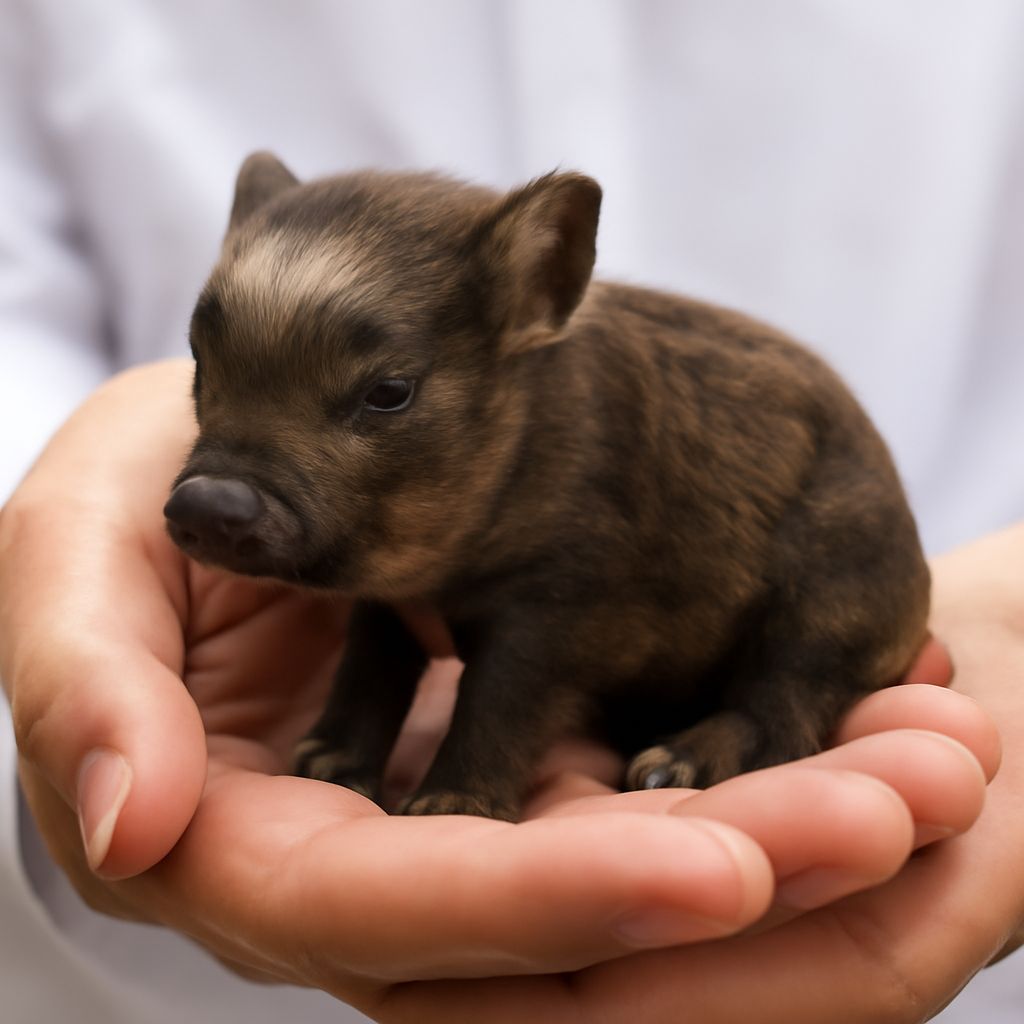
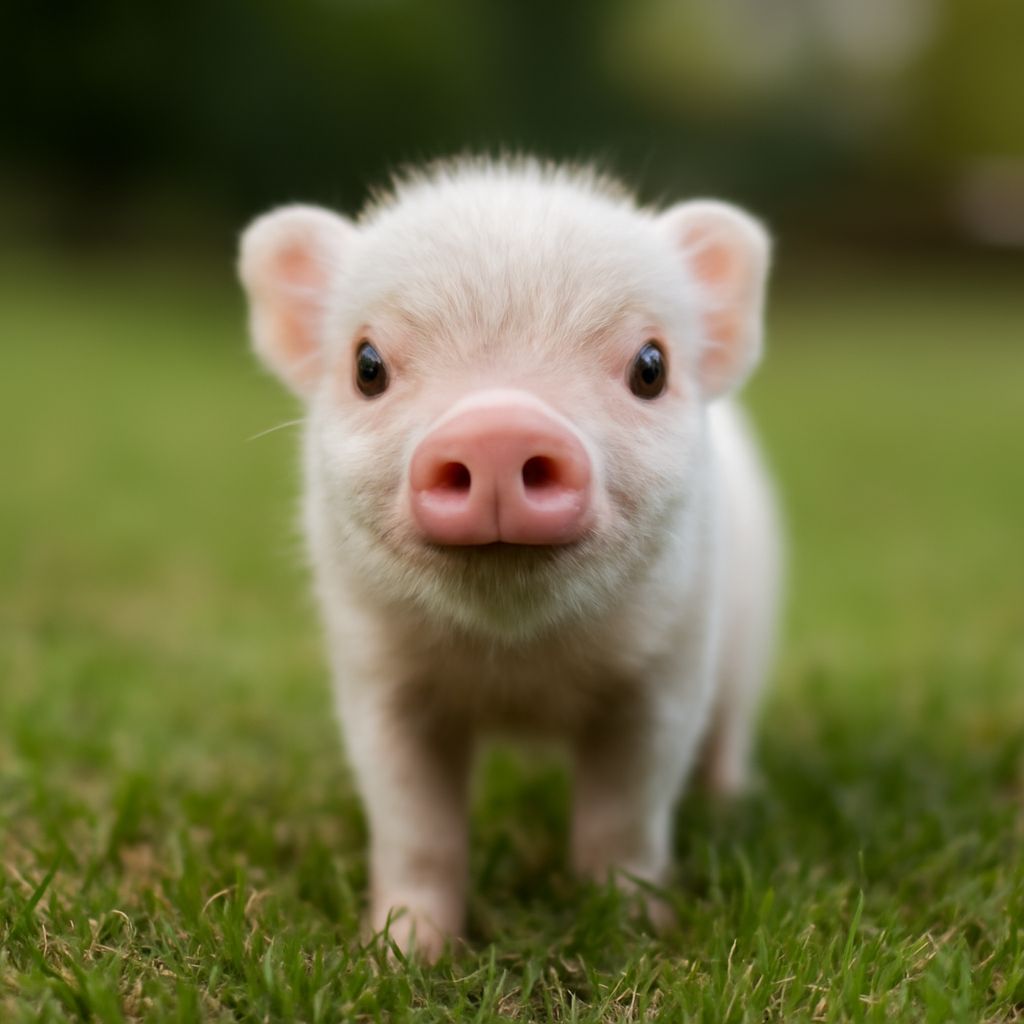
A mini pig pet is not the same animal shown in social media videos. Those piglets grow. The term “teacup pig pet” has been used by breeders to sell pigs that end up weighing 60 to 150 pounds by adulthood. There are no recognized teacup or micro breeds, only selectively bred small pigs that are often underfed to stay small, which causes health problems. Understanding what small pet pigs actually become as adults is the first step toward responsible ownership.
Mini pig pets are genuinely intelligent, clean, and trainable. Tiny pet pigs bond with their owners, learn commands faster than many dogs, and thrive with structure and enrichment. But they also require species-appropriate housing, a proper diet, regular hoof trimming, and veterinary care from a vet who treats pigs. Mini pig pets are not low-maintenance. This guide covers real expectations so you can decide if a pet pig fits your life.
Housing and Space Requirements
Small pet pigs need both indoor and outdoor access. Inside, a pig-proofed room or pen with a sleeping area, rooting materials, and enrichment toys keeps them mentally occupied. Outside, a securely fenced yard gives them space to root in soil, which is a natural behavior they need to express. Without rooting opportunities, pigs redirect that energy to flooring, baseboards, and furniture.
Mini pig pets should not be kept in small cages. A pen that works for a young piglet will be too small within months. Plan for a minimum 4×8-foot indoor space as a starting point, with outdoor access daily. Tiny pet pigs in confined spaces develop stereotypies, repetitive stress behaviors caused by boredom and lack of movement.
Feeding a Mini Pig Correctly
Commercial mini pig pellets should form the base of the diet. These are formulated for the lower caloric needs of pet pigs versus farm pigs raised for meat. Supplement with leafy greens, vegetables, and limited fruit. Avoid feeding dog food, cat food, bread, or large amounts of fruit, as these are too calorie-dense and disrupt gut health in small pet pigs.
Overfeeding is the most common mistake with mini pig pets. A pig that looks round and well-fed may have fat deposits pressing on its eyes, a condition called fat eye, and that indicates obesity. Body condition scoring for pigs uses spine and hip feel, not visual fullness. Work with a pig-experienced vet to set appropriate portion sizes for your pig’s age and weight.
Key Takeaways
A teacup pig pet does not stay tiny. Mini pig pets are smart, trainable animals that need rooting, socialization, outdoor time, and a proper pellet diet. Veterinary care from a provider experienced with swine is necessary, not optional. Research local regulations before acquiring one, as many cities and HOA agreements ban livestock including mini pig pets from residential properties.