Ball Python Pet Care Basics and the Best Indestructible Dog Ball Toys
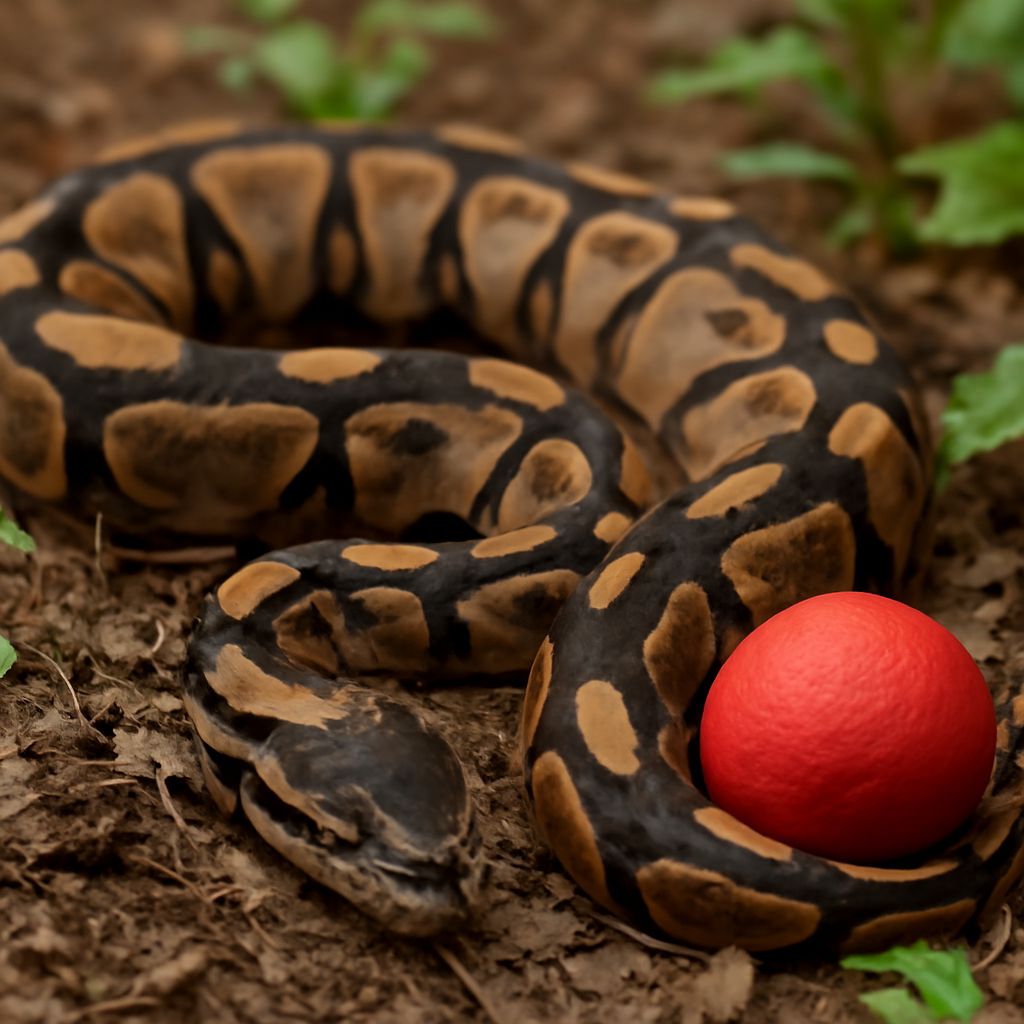
Owning a ball python pet is often treated as a beginner-friendly choice, and while these snakes are calmer than many reptiles, they still have specific environmental requirements that new owners underestimate. The question of whether are ball pythons good pets gets a “yes” from most experienced keepers, but only when the owner commits to proper temperatures, humidity, and feeding schedules. On a different shelf entirely, the wobble ball dog toy category attracts buyers looking for enrichment that survives a powerful chewer, and these two purchases often land in the same household. The case for ball pythons as pets rests partly on their manageable size and partly on their predictable temperament, but first-time reptile keepers still benefit from consulting an experienced herpetoculturist before purchasing. Meanwhile, finding indestructible dog ball toys that hold up to aggressive chewing requires understanding what materials actually last.
This article covers both subjects practically: what ball python ownership actually involves, and how to evaluate ball toys for dogs that destroy standard options within minutes.
Ball Python Care: The Real Requirements
Enclosure and Temperature
Ball pythons need a secure enclosure with a thermal gradient. The warm side should sit between 88 and 92 degrees Fahrenheit, the cool side between 76 and 80 degrees, and ambient room temperature should not drop below 72 degrees at night. These snakes thermoregulate by moving between zones, and a flat-temperature enclosure causes chronic stress and suppressed immune function. Under-tank heat mats combined with a thermostat provide the most reliable gradient. Overhead ceramic heat emitters work as a supplemental source. Hatchlings do well in smaller enclosures, around 10 gallons, while adults need at minimum a 4-foot by 2-foot footprint.
Feeding and Handling
Adult ball pythons eat pre-killed or frozen-thawed rodents every 10 to 14 days. Feeding live prey risks injury to the snake from defensive bites. Hatchlings eat once weekly. Pythons kept as pets sometimes go on feeding strikes for weeks or months, especially during seasonal temperature changes. This is stressful for new owners but rarely dangerous unless it extends beyond three months. A vet experienced with reptiles can assess body condition and rule out parasites or infection. Handle ball pythons at least 48 hours after feeding to avoid regurgitation, and limit early handling sessions to 10 to 15 minutes while the snake acclimates.
Finding Dog Ball Toys That Actually Last
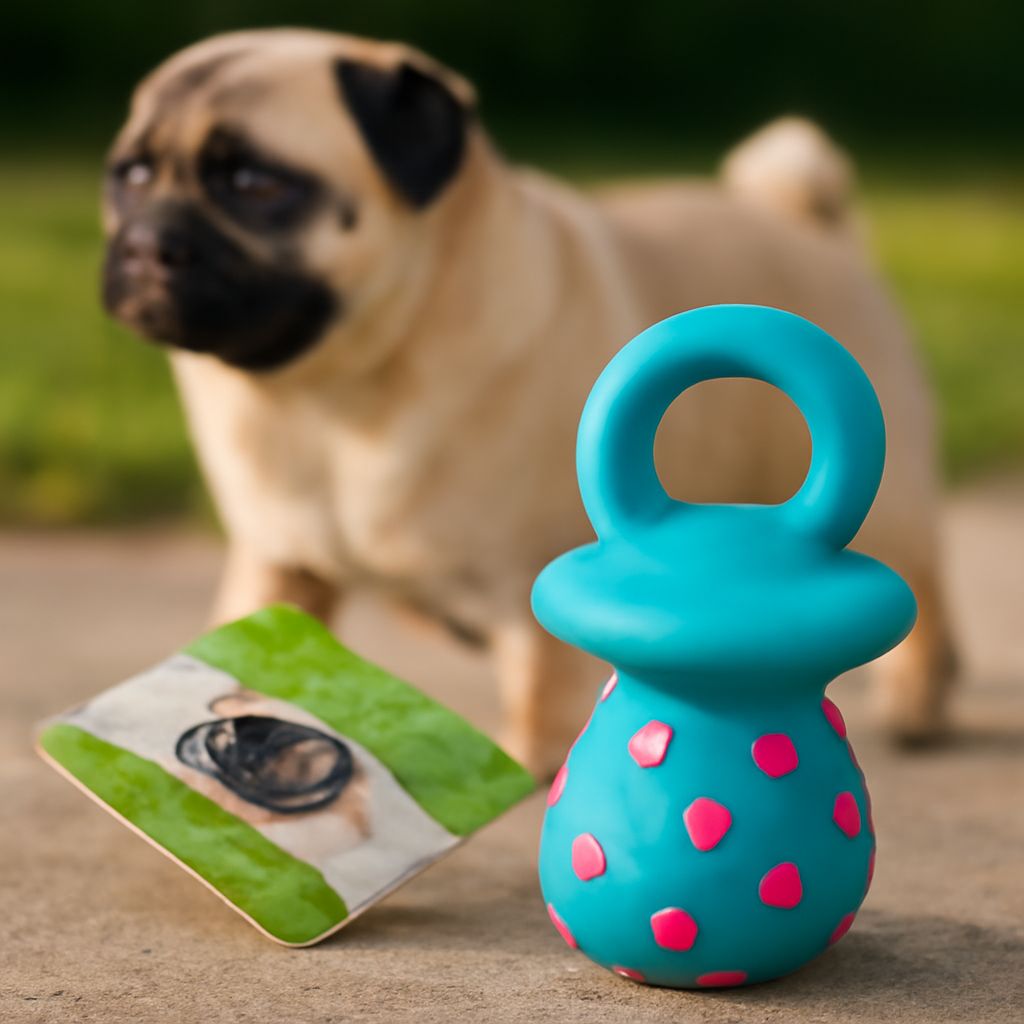
The wobble-style ball for dogs uses a weighted base and irregular movement to hold a dog’s attention longer than a standard sphere. These designs work well for dogs motivated by unpredictable movement, but durability varies by the material used in the shell. Natural rubber and vulcanized rubber tolerate aggressive biting better than thermoplastic or hollow foam options. Look for a wall thickness of at least half an inch in solid rubber balls, and verify the manufacturer’s weight rating matches your dog’s size.
For the most destruction-prone chewers, solid natural rubber balls with no seams or hollow cavities provide the longest service life. Balls marketed as “ultra-tough” but constructed with a seam along the equator typically fail at that seam first. Wobble balls with treat dispensing cavities add enrichment value but reduce overall structural integrity, so match that trade-off to your dog’s chewing intensity.
Inspect all ball toys after each play session. Discard any that show deep gouges, missing chunks, or cracked surfaces, since ingested rubber fragments cause gastrointestinal obstruction. For dogs that consume pieces of destroyed toys, consult a veterinarian about whether the chewing behavior requires redirection to a different toy type or whether a veterinary behavioral assessment is warranted.
Key takeaways: Ball pythons make manageable pets when owners maintain precise temperatures and feeding schedules, but they are not truly low-effort. Indestructible dog ball toys perform best when made from solid, seam-free rubber matched to the dog’s size and chewing strength. Always inspect toys for damage after each use and replace them before pieces become small enough to swallow.